Inside Delhi’s SIR Drive: BLO Form Distribution Challenges, SIR Form Verification and Mounting Pressure
Delhi's SIR drive faces hurdles as BLOs manage BLO form distribution, SIR form verification, shifting addresses and resident challenges.

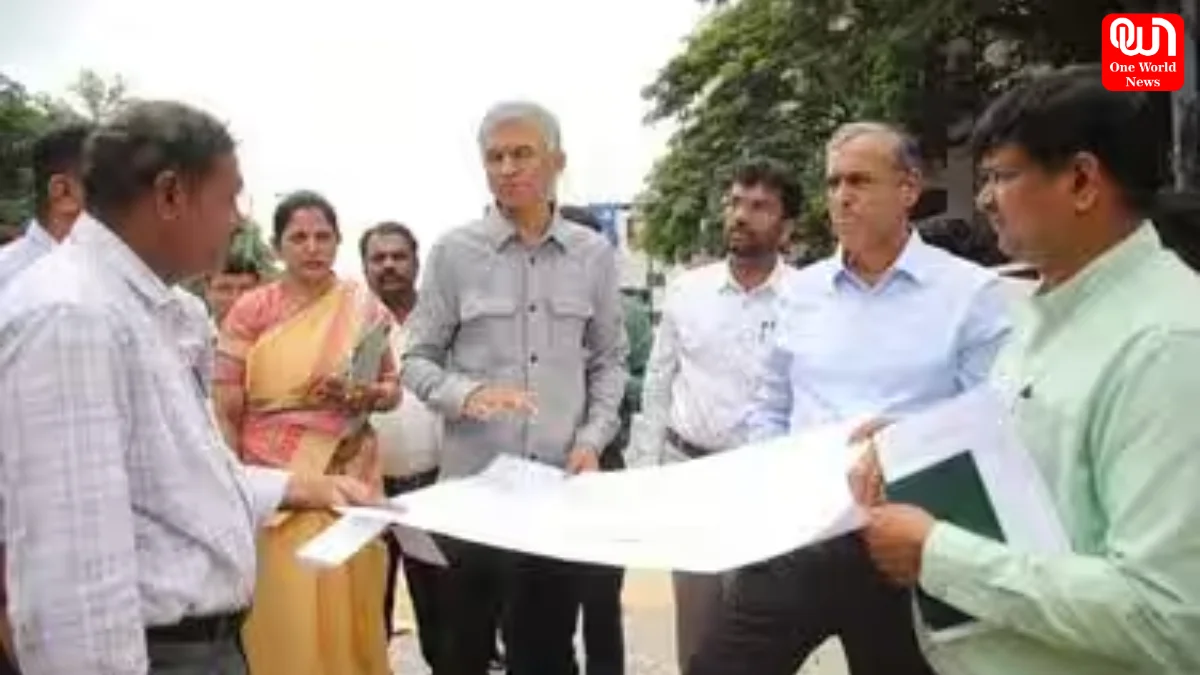
Inside Delhi’s SIR Drive: BLOs Recount Hostile Residents, Shifting Addresses and Mounting Pressure During BLO Form and SIR Form Verification
Delhi’s ongoing Special Intensive Revision (SIR) of electoral rolls has turned into a demanding task for thousands of Booth Level Officers (BLOs). While the objective is to update voter records and improve the accuracy of electoral rolls, many officers say the process has become increasingly difficult due to uncooperative residents, changing addresses, long working hours, and strict deadlines. The distribution and collection of the BLO form and SIR form have become central to this large-scale voter verification exercise.
Read more: 13 July Veronica Gold Update: Gold and Silver Prices Fall Sharply Today | Latest Bullion Market News
What Is the Delhi SIR Drive?
The Special Intensive Revision (SIR) is an exercise carried out to verify and update voter information before future elections. Under this process, Booth Level Officers visit homes to distribute the SIR form, verify voter details, collect completed forms, and upload the information to the Election Commission’s system.
The BLO form process helps officials ensure that every eligible voter is correctly listed while removing outdated or incorrect records. Thousands of government employees, including teachers, ASHA workers, Anganwadi workers, and other staff members, have been assigned BLO duties during this drive.
BLOs Face Hostile Residents During Door-to-Door Visits
Many Booth Level Officers have reported facing unexpected resistance while performing their duties. Some residents refuse to sign acknowledgement receipts, while others question the purpose of the visit or mistake BLOs for salespersons.
Several officers have shared experiences of people becoming angry when asked to complete the required SIR form or cooperate with document verification. In some areas, residents have declined to engage with BLOs altogether, making the verification process even more difficult. These situations increase both stress and delays for officers working under tight timelines.
Shifting Addresses Create Major Verification Problems
One of the biggest challenges during the Delhi SIR drive is locating voters whose addresses have changed. Many families have moved without updating their voter records, while others live in neighborhoods where multiple homes share similar or identical addresses.
In unauthorized colonies and densely populated settlements, officers often spend hours searching for a single voter. Split households, migration, and rented accommodations further complicate the verification process, making the completion of every BLO form more time-consuming than expected.
Long Working Hours and Increasing Work Pressure
Apart from handling regular government responsibilities, many BLOs are now spending their mornings and evenings conducting house-to-house verification. Their responsibilities include distributing the SIR form, explaining the procedure, collecting completed documents, verifying voter information, and uploading data digitally.
Several officers have reported working extended hours with limited resources. The pressure to complete targets within fixed deadlines has added to their workload, especially in areas with large populations and difficult-to-locate addresses.
Why the BLO Form and SIR Form Are Important
The BLO form and SIR form play an essential role in maintaining accurate electoral rolls. They help election authorities confirm voter identities, verify addresses, and ensure that eligible citizens remain on the voter list.
Accurate verification also helps reduce duplicate entries, outdated records, and incorrect voter information. Although the process is demanding, it supports a more reliable and transparent electoral system.
Public Cooperation Can Improve the Process
Election officials have encouraged residents to cooperate with Booth Level Officers during home visits. Keeping identity documents ready, filling the SIR form correctly, and responding promptly to BLO visits can significantly reduce delays.
read more: 13 July Political Update: PM Modi New Zealand Visit, E20 Fuel Debate & UP Plantation Drive | Aarav Political Update
Simple cooperation from citizens allows officers to complete their work efficiently while ensuring that voter records remain accurate and up to date.
Conclusion
Delhi’s Special Intensive Revision has highlighted both the importance and the challenges of maintaining accurate electoral rolls. While Booth Level Officers continue distributing the BLO form and collecting every SIR form, they also face hostile interactions, shifting addresses, confusing records, and heavy workloads. Despite these obstacles, the ongoing verification exercise remains an important step toward improving voter registration accuracy and ensuring a smoother electoral process in the future.
We’re now on WhatsApp. Click to join.
Like this post?
Register at One World News to never miss out on videos, celeb interviews, and best reads.