India Message To US On Trade Talks: ‘No Deal’ Better Than A Bad Deal, India Stands Firm
India Message To US On Trade Talks highlights India's firm stand on trade negotiations, choosing fair terms over a rushed agreement with the US.

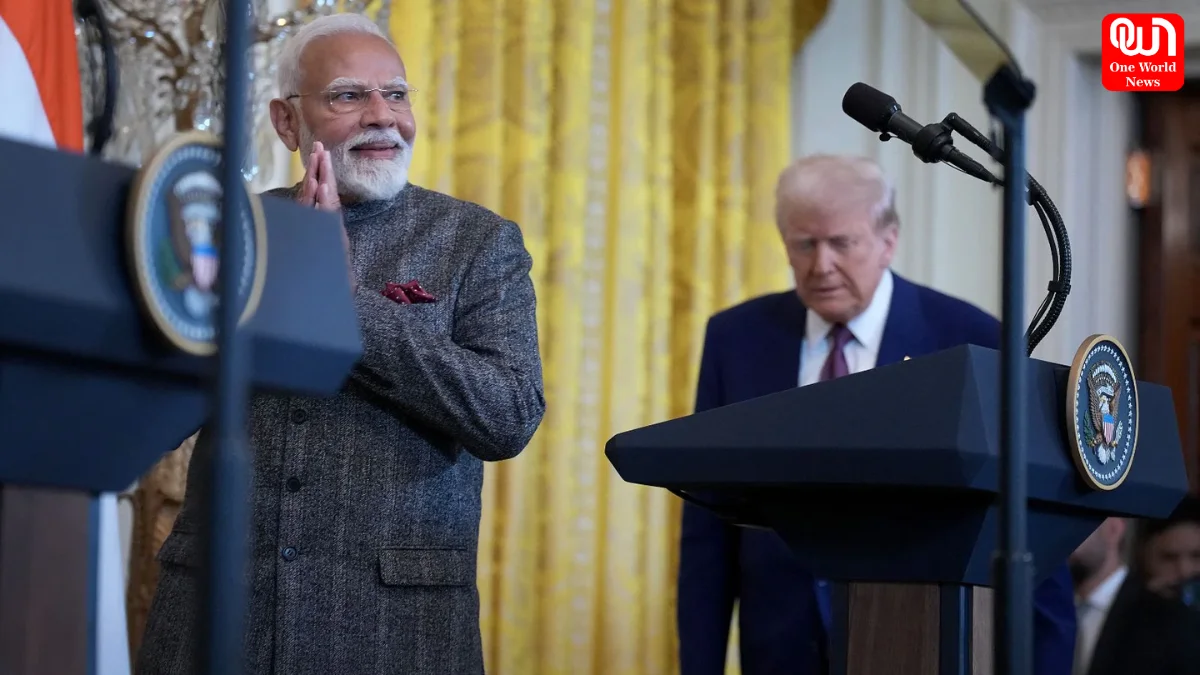
India Message To US On Trade Talks: Why India Says ‘No Deal’ Is Better Than A Bad Deal During Ongoing US Trade Negotiations
Trade negotiations between India and the United States have once again become a major topic of discussion. The latest India Message To US On Trade Talks is simple and clear—“No deal is better than a bad deal.” This statement reflects India’s determination to protect its economic interests instead of accepting an agreement that may not benefit the country in the long run.
The two nations have been working toward a Bilateral Trade Agreement (BTA) for several months. However, recent negotiations ended without an interim deal because both sides could not agree on several important issues. India believes that any trade agreement should be balanced, fair, and beneficial for both countries.
Why India Is Taking A Firm Stand
India has made it clear that it will not rush into signing a trade agreement simply to meet deadlines. Government officials believe that accepting unfavorable conditions could hurt Indian industries, farmers, and manufacturers in the future.
According to reports, India wants better market access for its exports while also protecting sensitive sectors such as agriculture. The country is seeking equal treatment instead of accepting higher tariffs or trade rules that reduce its competitiveness.
The Meaning Behind “No Deal Better Than A Bad Deal”
The phrase means that India prefers waiting for a better agreement rather than accepting one that creates long-term disadvantages.
Trade agreements often remain in effect for many years. Because of this, negotiators believe it is better to spend extra time reaching a balanced deal instead of making quick compromises.
This approach also sends a strong signal that India values sustainable economic growth over short-term political success.
Major Issues In India-US Trade Talks
Several key topics continue to be discussed during negotiations:
Tariffs
India wants lower tariffs on many of its exported products while ensuring its businesses remain competitive in the US market.
Agriculture
Agriculture remains one of the most sensitive areas. India wants to protect its farmers while considering limited market access for foreign products.
Digital Trade
Both countries are discussing digital commerce, technology cooperation, and data-related policies that could influence future trade.
Supply Chains
India and the US are also focusing on creating stronger and more reliable supply chains, especially in technology and manufacturing sectors.
Read more: India Faces Fresh 500% Tariff Threat As US Revives Russia Sanctions Push
Why India Feels More Confident
India’s strong position comes at a time when its economy continues to perform well. Rising exports, growing global partnerships, and ongoing trade discussions with other countries have increased India’s confidence during negotiations.
Experts say India now has more options than before and does not need to accept every proposal immediately. This stronger bargaining position allows negotiators to seek better terms for Indian businesses and workers.
Benefits Of Waiting For A Better Agreement
A carefully negotiated trade deal could offer several long-term advantages:
- Better opportunities for Indian exporters
- Increased foreign investment
- Stronger manufacturing sector
- Protection for domestic industries
- Improved employment opportunities
- Greater stability in future trade relations
By waiting for the right agreement, India hopes to secure benefits that last for decades rather than accepting temporary gains.
What This Means For India-US Relations
Although no interim agreement has been signed yet, both countries continue to maintain positive diplomatic relations. Officials from India and the US have repeatedly stated that negotiations are ongoing and that both sides remain committed to reaching a balanced agreement.
The absence of a deal does not mean negotiations have failed. Instead, it reflects the complexity of modern trade discussions, where every decision can affect millions of businesses, workers, and consumers.
What Happens Next?
Trade experts believe discussions will continue over the coming months. Both governments are expected to keep working on unresolved issues such as tariffs, market access, non-tariff barriers, and digital trade.
If both sides can find common ground, a comprehensive Bilateral Trade Agreement could significantly strengthen economic ties between India and the United States. However, India has made it clear that any agreement must provide a competitive advantage and protect national interests.
Conclusion
The latest India Message To US On Trade Talks reflects a confident and strategic approach to international trade. By stating that “No Deal” is better than a bad deal, India has shown it is prepared to negotiate patiently rather than accept unfavorable terms.
As discussions continue, both India and the United States remain interested in expanding economic cooperation. The ultimate goal is to reach a fair, balanced, and mutually beneficial trade agreement that supports businesses, strengthens supply chains, and promotes long-term economic growth for both nations.
We’re now on WhatsApp. Click to join.
Like this post?
Register at One World News to never miss out on videos, celeb interviews, and best reads.