Delhi Air Quality Worsens: AQI Very Poor at 374 as GRAP Stage-II Restrictions Take Effect
Delhi air quality worsens as AQI Very Poor readings hit 374, with CAQM enforcing GRAP Stage-II restrictions amid winter pollution and smog.

Delhi Air Quality Hits 374: AQI Very Poor Conditions Trigger GRAP Stage-II Restrictions as CAQM Warns of Smog, Stubble Burning and Winter Pollution Across the National Capital Region
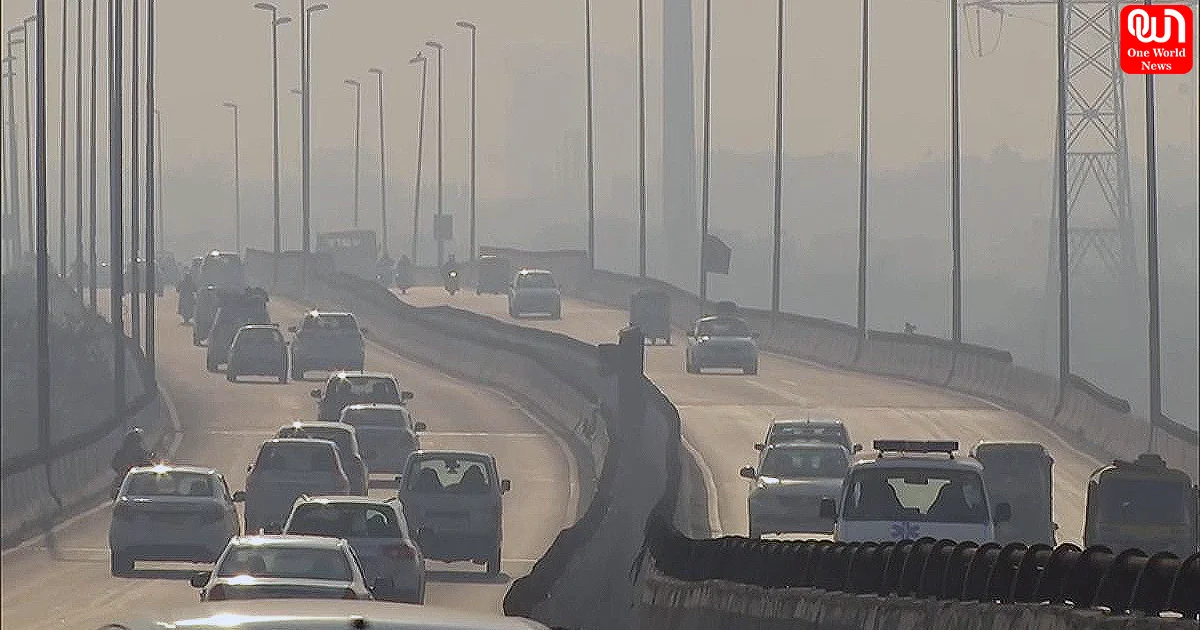
Delhi’s pollution situation is becoming increasingly concerning as the national capital continues to struggle with deteriorating air quality. On November 3, 2026, several monitoring stations recorded alarming pollution levels, with readings reaching 374 at locations including RK Puram, while ITO recorded an AQI of 376. The city’s overall AQI stood at around 330 in the morning, keeping it firmly in the ‘Very Poor’ category. The worsening Delhi air quality comes just a day after the Commission for Air Quality Management (CAQM) implemented GRAP Stage-II restrictions across the National Capital Region (NCR). With rising winter pollution, stubble burning and unfavourable weather conditions contributing to the problem, residents are once again facing thick smog and growing health concerns.
Delhi Air Quality Deteriorates as AQI Enters Very Poor Category
The national capital has witnessed a sharp decline in air quality over the past few days. According to reported readings, Delhi’s overall AQI increased from 117 on October 31 to 261 on November 1 before reaching 324 on November 2.
On November 3, the situation remained concerning, with several monitoring stations recording readings above 350. RK Puram recorded 374, while ITO reached 376 in the morning monitoring data.
According to the Central Pollution Control Board’s classification, an AQI between 301 and 400 falls under the ‘Very Poor’ category. Such conditions can cause respiratory discomfort and increase health risks, particularly for children, older adults and people with existing heart or lung conditions.
The increasing pollution levels have also brought back concerns about the seasonal smog that affects Delhi and neighbouring cities every winter.
CAQM Imposes GRAP Stage-II Restrictions Across Delhi-NCR
Considering the deteriorating air quality and forecasts of continued pollution, the Commission for Air Quality Management (CAQM) invoked Stage-II measures under the Graded Response Action Plan on November 2.
The restrictions came into effect immediately across Delhi-NCR, with authorities instructed to strengthen pollution-control measures and prevent further deterioration.
Under GRAP Stage-II restrictions, several additional steps have been introduced, including:
- Increased mechanical and vacuum-based road sweeping.
- Regular water sprinkling with dust suppressants on busy roads.
- Greater use of anti-smog guns at pollution hotspots.
- Higher parking charges to discourage private vehicle usage.
- Strict monitoring of construction and demolition activities.
- Restrictions on coal and firewood use in hotels, restaurants and open eateries.
- Tighter regulations on diesel generator sets.
- Increased public transport services to encourage commuters to avoid private vehicles.
The Delhi government and neighbouring NCR administrations have also been asked to consider staggered office timings to reduce traffic congestion.
These measures will operate alongside the existing Stage-I restrictions.
Stubble Burning Adds to Delhi’s Winter Pollution
One of the major seasonal concerns behind deteriorating air quality is stubble burning in agricultural regions of neighbouring states.
During the harvesting season, some farmers burn leftover crop residue to prepare their fields for the next agricultural cycle. The smoke contains particulate matter and other pollutants that can travel over long distances.
According to an analysis reported by The Indian Express, satellite observations have also detected significant farm-fire activity across Punjab and neighbouring regions, including Pakistan’s Punjab province.
The Indian Institute of Tropical Meteorology’s Decision Support System estimated that stubble burning contributed around 8.5% of Delhi’s PM2.5 pollution on November 2. Its contribution was forecast to increase to approximately 22% by November 5.
However, agricultural fires are not the only reason behind the pollution. Vehicle emissions, industrial activity, construction dust, road dust and waste burning also contribute to the city’s overall pollution load.
Unfavourable Weather Conditions Make Smog in Delhi Worse
Weather conditions play an important role in determining how quickly pollutants disperse from the atmosphere.
During winter, lower wind speeds, changing temperatures and shallow fog can create conditions that allow pollutants to remain concentrated near the ground.
Northwesterly winds have also carried smoke from agricultural regions towards Delhi and surrounding areas. Relatively calm wind conditions have further contributed to the accumulation of pollutants.
The Air Quality Early Warning System has forecast that Delhi’s air quality is likely to remain in the ‘Very Poor’ category from November 3 to November 5, 2026.
This means residents may continue experiencing hazy mornings, reduced visibility and uncomfortable outdoor conditions over the next few days.
How Will GRAP-II Restrictions Affect Delhi Residents?
The implementation of GRAP Stage-II is expected to bring several changes to everyday activities across the capital.
People may experience higher parking charges, increased traffic monitoring and greater reliance on public transport. Authorities are also expected to intensify inspections of construction sites and pollution-generating activities.
The Delhi Metro Rail Corporation has announced 20 additional weekday train trips from November 3, taking the total number of additional trips across its network to 40.
The initiative aims to encourage commuters to use public transport instead of private vehicles, helping reduce traffic-related emissions.
Residents are also encouraged to carpool, maintain valid Pollution Under Control certificates, avoid unnecessary vehicle use and refrain from burning garbage or other waste.
Health Precautions During Very Poor Air Quality
With the AQI Very Poor category affecting large parts of Delhi, residents should take precautions to reduce their exposure to polluted air.
Here are some important steps to follow:
- Avoid unnecessary outdoor activities, particularly during periods of heavy smog.
- Children and older adults should take extra precautions.
- People with respiratory or heart conditions should follow their doctor’s advice.
- Use a well-fitting N95 mask when outdoor exposure cannot be avoided.
- Keep indoor spaces as clean as possible and reduce exposure to indoor smoke.
- Check local AQI readings before planning outdoor exercise or activities.
If you experience breathing difficulties, chest discomfort or worsening respiratory symptoms, seek medical advice.
Conclusion: Delhi’s Winter Pollution Raises Fresh Concerns
The latest rise in Delhi air quality readings highlights the growing challenge of controlling seasonal pollution across the National Capital Region. With monitoring stations recording AQI readings around 374 and the CAQM implementing GRAP Stage-II restrictions, authorities are attempting to control the worsening situation.
Read more: Andhra School Chainsaw Attack: Accused Hemanth Shot in Police Firing While Trying to Escape
Stubble burning, vehicle emissions, construction dust and unfavourable weather conditions continue to contribute to the pollution problem. Although additional restrictions and public transport measures have been introduced, their effectiveness will depend on consistent implementation and public cooperation.
As winter approaches and Diwali celebrations draw closer, the coming days will be important for Delhi’s pollution situation. Residents are advised to monitor AQI updates and take necessary health precautions. Stay connected for the latest Delhi pollution news, weather updates and developments across the National Capital Region.
We’re now on WhatsApp. Click to join.
Like this post?
Register at One World News to never miss out on videos, celeb interviews, and best reads.