JAGO VOTER JAGO: KARGIL COFFIN CONTROVERSY – The Defence Procurement Scandal That Raised Serious Questions About Accountability
Explore the KARGIL COFFIN CONTROVERSY, the disputed defence purchase, CAG findings, political debate and lessons on government accountability.

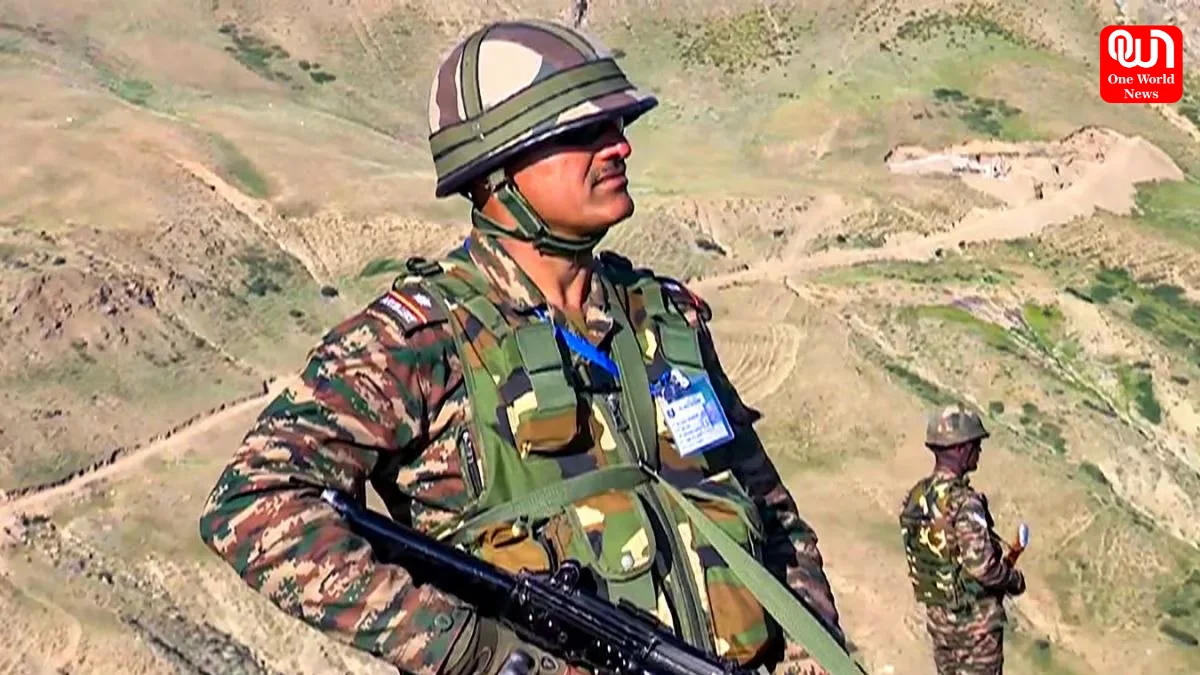
JAGO VOTER JAGO | KARGIL COFFIN CONTROVERSY: A Controversy That Shook Public Trust
The KARGIL COFFIN CONTROVERSY remains one of the most sensitive defence procurement controversies in India’s political history. It raised serious questions about the purchase of aluminium caskets intended to transport the mortal remains of Indian soldiers who sacrificed their lives during the 1999 Kargil War. The controversy became a major political issue after concerns emerged over the price, quality and procurement process of the caskets.
For a country that honours its soldiers for their courage and sacrifice, allegations of irregularities involving their final journey sparked widespread public anger. The issue also highlighted the importance of transparency, responsible public spending and accountability in government institutions. Under the message of Jago Voter Jago, this episode offers an important reminder that citizens have the right to question decisions made in their name.
What Was the Kargil Coffin Controversy?
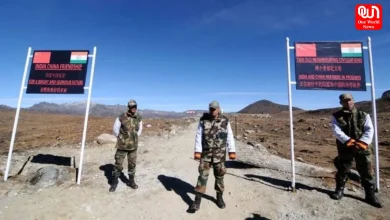
The Kargil War of 1999 was fought between India and Pakistan in the mountainous region of Kargil, Ladakh. Indian soldiers displayed extraordinary courage while defending the country’s territory under extremely difficult conditions.
Following the conflict, the procurement of aluminium caskets for transporting soldiers’ mortal remains came under scrutiny. The government had ordered caskets from a United States-based supplier. The deal later attracted criticism after the Comptroller and Auditor General (CAG) raised concerns about the price paid and the quality of the products delivered.
The matter became widely known as the Kargil coffin scam, or the coffin controversy. It was no longer simply a question about military supplies; it became a broader debate about how public money was spent and who should be held responsible when procurement decisions appeared questionable.
Why Did the Purchase Raise Questions?
One of the most controversial aspects of the deal was the price of the caskets. According to reports on the CAG findings, the government paid approximately $2,500 per aluminium casket, while an earlier military document referred to a price of around $172 per unit in connection with an earlier purchase.
This substantial difference became a central point of public debate. Questions were raised about whether sufficient market research had been conducted, whether alternative suppliers had been considered and whether the purchase process followed appropriate procedures.
The quality of the delivered caskets created further concerns. Reports stated that the consignment was rejected because the caskets did not meet the prescribed weight specifications. They were also reportedly delivered months after the Kargil War had ended, raising questions about the timing and effectiveness of the procurement process.
These findings intensified public scrutiny because defence procurement involves taxpayers’ money and equipment intended to serve the country’s armed forces.
Political Reactions and the Role of George Fernandes
At the time, the central government was led by the Bharatiya Janata Party (BJP)-led National Democratic Alliance (NDA), and George Fernandes was the Defence Minister. Following the controversy, opposition parties demanded explanations and questioned the government’s handling of the purchase.
The issue triggered heated parliamentary debates and political confrontations. Fernandes defended the government’s position and argued that responsibility for examining the audit findings rested with the appropriate parliamentary authorities. The controversy consequently became a major test of political accountability and public confidence in defence administration.
However, it is important to distinguish between allegations, audit observations and criminal proceedings. The controversy raised questions about the procurement process, but responsibility for specific wrongdoing must be assessed through evidence and legal findings rather than political accusations alone.
What Happened in the CBI Investigation?
The controversy continued for years after the initial allegations emerged. In 2009, the Central Bureau of Investigation (CBI) filed a chargesheet against four individuals in connection with the procurement deal. The accused included military officers and a US-based supplier representative.
Contemporary reports stated that George Fernandes was not named in that chargesheet. The investigation focused on alleged irregularities associated with the purchase and the resulting financial loss to the government.
India News – Times of India+1
This development is an important part of understanding the controversy. A CAG audit identifies financial or procedural concerns, while a CBI investigation examines potential criminal wrongdoing. These are different processes, and neither should be confused with a final judicial determination of guilt.
The case illustrates why transparent procurement rules, proper documentation, independent audits and effective investigations are essential for maintaining public trust.
What Can Citizens Learn from the Kargil Coffin Controversy?
The KARGIL COFFIN CONTROVERSY is a reminder that democratic accountability must extend to every area of public administration, including defence procurement.
Citizens can draw several important lessons from this episode:
-
Transparency matters: Government purchases should follow clear procedures and be supported by proper documentation.
-
Public money must be protected: Officials responsible for procurement should ensure that prices, quality and contractual conditions are carefully evaluated.
-
Institutions must be accountable: Independent audit bodies, investigative agencies and parliamentary committees play important roles in examining irregularities.
-
Facts matter in democracy: Citizens should distinguish between allegations, official findings and proven legal conclusions when evaluating political controversies.
An informed voter does more than follow political slogans. An informed voter examines evidence, asks questions and expects public representatives to explain decisions that affect the country.
Conclusion: Jago Voter Jago – Remember the Sacrifice, Demand Accountability
The KARGIL COFFIN CONTROVERSY became a deeply emotional national issue because it involved the dignity of soldiers who had sacrificed their lives for India. The questions surrounding the cost, quality and procurement of the caskets highlighted the importance of responsible administration and transparency in public spending.
The true significance of this episode lies in the lessons it offers about democratic responsibility. Respecting soldiers means honouring their sacrifice while also ensuring that institutions handling matters connected to their service operate with integrity.
Read more: Gold and Silver Rate Update 29 October 2026: Latest Prices in India
Jago Voter Jago is a call for every citizen to remain informed, question responsibly and demand accountability from those entrusted with public power. Democracy becomes stronger when voters look beyond political claims, examine facts and insist that public service must always be guided by responsibility, transparency and respect for the nation.
We’re now on WhatsApp. Click to join.
Like this post?
Register at One World News to never miss out on videos, celeb interviews, and best reads.