Jamia Protest: Hunger Strike, Student Union Elections and the Growing Campus Standoff | Tanisha English Political Short | One World News
Jamia Protest intensifies as students demand union elections, a fixed timeline, accountability and an end to disciplinary action amid campus tensions.

Jamia Protest: Why Students Are Demanding Union Elections After Two Decades
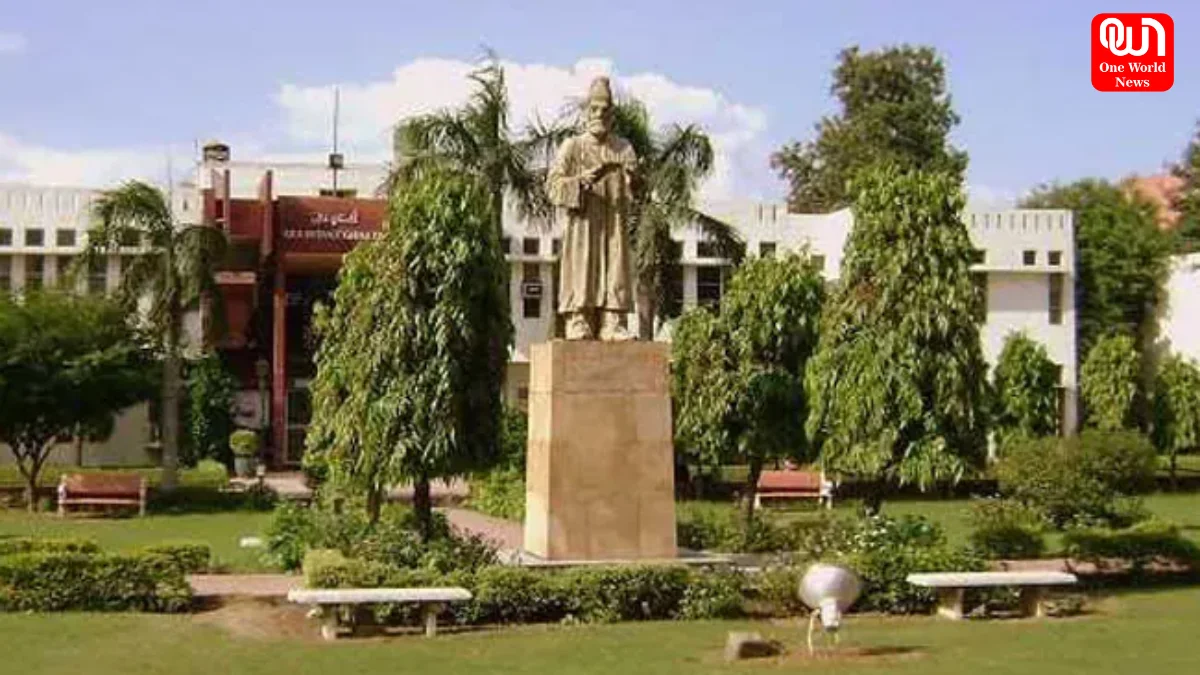
The Jamia Protest has brought student representation, administrative accountability and freedom of expression into focus at Jamia Millia Islamia in New Delhi. What began as an indefinite hunger strike demanding the restoration of the elected students’ union developed into a major campus agitation, prompting the university to announce plans for elections while disagreements continued over the conditions attached to its decision.
On October 26, 2026, the university announced that student union elections would take place within 15 days of approval of the union’s constitution. However, students maintained that the announcement did not resolve every issue, particularly the absence of a fixed deadline for approving the constitution.
Read more: Gold and Silver Rate Update 29 October 2026: Latest Prices in India
Why Did the Jamia Student Protest Begin?
The main issue behind the Jamia Protest is the long-standing demand to restore the Jamia Millia Islamia Students’ Union (JMISU). Elections for the union have not been held since 2006, leaving students without a university-wide elected representative body for nearly two decades.
Students launched an indefinite hunger strike on October 12, 2026, demanding a clear commitment from the administration regarding the restoration of the union. Their demands also included withdrawing disciplinary action against protesters and investigating allegations concerning the conduct of security personnel during the agitation.
For the protesting students, the issue extends beyond elections. They want a formal platform through which they can raise academic concerns, communicate grievances and participate in discussions about decisions affecting campus life.
Hunger Strike Continues as Students Raise Their Demands
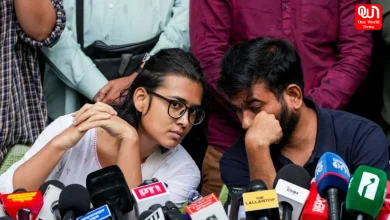
The agitation gained further attention as students continued their hunger strike despite pressure to end the protest. Rehan Khan and Ebin Basil were among those who continued fasting after the university announced its decision concerning the elections.
The students argued that the administration had not fully addressed their concerns. They continued seeking a definite deadline for approving the constitution and clarity regarding the conditions included in the university’s announcement.
The prolonged hunger strike also raised concerns about the health and safety of the protesters. The situation highlighted the importance of dialogue, transparent communication and a mutually acceptable resolution to the disagreement.
Jamia Administration Announces Student Union Elections
On October 26, the university announced that student union elections would be held within 15 days of approval of the union’s constitution. The decision marked an important development in a dispute involving a demand that had remained unresolved since 2006.
The administration also revoked suspension and show-cause notices issued during the protest and announced an inquiry into the conduct of security personnel. However, the university’s order included conditions relating to an apology over allegedly defamatory statements and social media posts directed at the administration.
These conditions became another point of disagreement. Although the announcement addressed several demands, students remained concerned that the administration had not established a firm date for approving the constitution. Without that date, the actual election schedule remained uncertain.
Online Classes and Increased Security at Jamia
The growing agitation affected normal university activities. Jamia Millia Islamia shifted classes online amid the unrest and tightened security measures on campus.
On October 26, the administration also issued a final warning directing the remaining hunger strikers to vacate the protest site. The warning cautioned them about possible disciplinary and legal action if they failed to comply.
The developments created further uncertainty for students and staff. While the administration has responsibilities to maintain campus safety and ensure academic activities continue, protesters have raised concerns about student representation, grievance redressal and the handling of demonstrations.
Why Student Democracy Matters at Jamia Millia Islamia
The Jamia Protest has renewed discussion about the importance of student unions in higher education. An elected union can provide students with a structured way to express concerns, organise discussions and represent different perspectives within a university.
Supporters of restoring the union believe that elections could create a formal channel for student participation after years without a university-wide elected body. Meanwhile, the administration must establish clear procedures, communicate the election process and address concerns about the conditions attached to its announcement.
A lasting resolution will require clear commitments, transparent procedures and constructive engagement between students and university officials.
What Happens Next in the Jamia Protest?
The university’s October 26 announcement represented a significant step, but questions concerning the constitution’s approval and the conditions attached to the decision remained unresolved.
The next stage will depend on how the administration implements its announcement, how the protesting students respond and whether both sides can agree on a practical timeline. Resolving these issues could help reduce tensions and allow normal academic activities to resume.
Read more: Gold and Silver Rate Update 29 October 2026: Latest Prices in India
Conclusion: Jamia Protest Puts Student Representation in Focus
The Jamia Protest is more than a disagreement over an election schedule. It has brought student representation, administrative accountability and freedom of expression into the public conversation. Although Jamia Millia Islamia announced plans to conduct student union elections within 15 days of constitution approval, the lack of a fixed approval deadline remained a key concern.
A lasting settlement will depend on transparent communication, clear commitments and the implementation of announced measures. The developments at Jamia demonstrate how student movements can raise important questions about democracy, participation and governance within educational institutions.
We’re now on WhatsApp. Click to join.
Like this post?
Register at One World News to never miss out on videos, celeb interviews, and best reads.