UP MLC Polls 2026: BJP’s Reality Check on Candidates, Cadre and Local Connect Ahead of the 2027 Assembly Elections
BJP faces a key test in Uttar Pradesh Legislative Council polls as Graduate constituencies, Teacher constituencies, SP, Lucknow and Varanasi shape the 2027 battle.

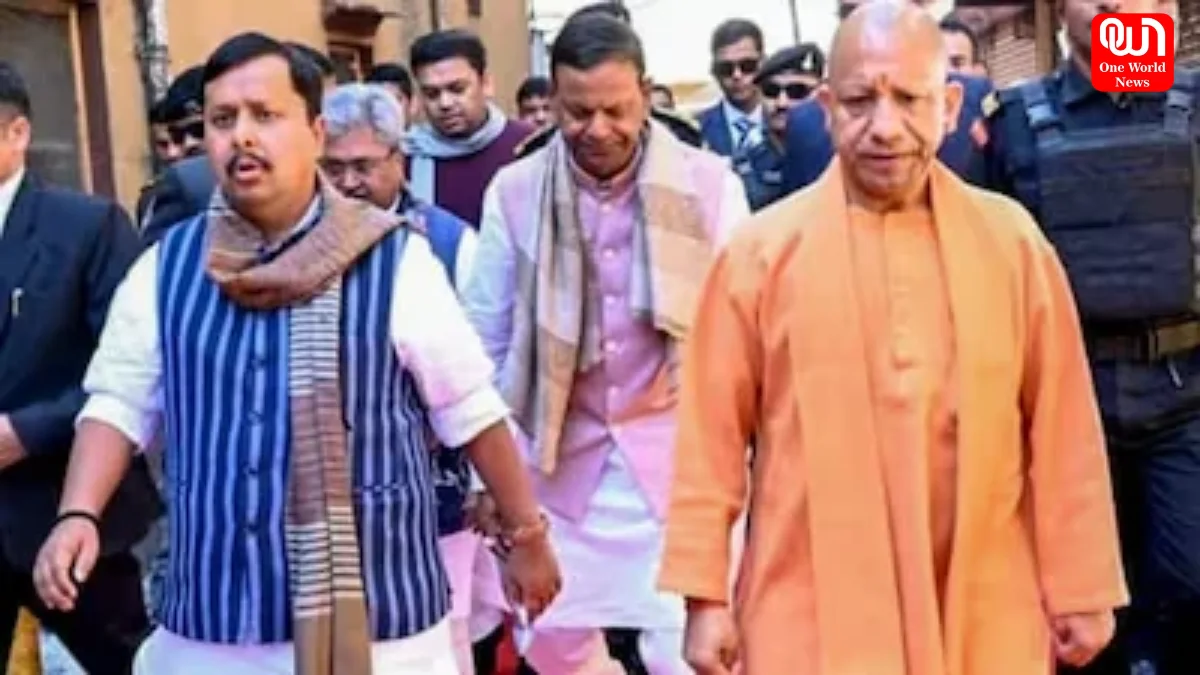
UP MLC Polls: BJP’s Reality Check on Candidates, Cadre and Local Connect Ahead of the 2027 Battle
The Uttar Pradesh Legislative Council elections have emerged as an important political test for the Bharatiya Janata Party (BJP) ahead of the 2027 Assembly elections. Although these polls cover a smaller electorate than state-wide elections, they offer valuable insights into candidate popularity, organisational efficiency and connections with local voters. The contest has also highlighted the challenge posed by the Samajwadi Party (SP), particularly in constituencies where teachers, graduates and professional groups have established political networks.
The October 2026 elections to 11 Legislative Council seats concluded with the BJP and SP winning six and five seats, respectively. While the BJP retained its overall lead, the SP’s performance underlined that the opposition remains competitive in constituencies where candidate credibility and grassroots engagement carry considerable weight.
1. Why the UP MLC Polls Matter Before the 2027 Assembly Elections
The Uttar Pradesh Legislative Council elections are more than a contest for seats in the state’s Upper House. They provide political parties with an opportunity to evaluate their organisational strength before the larger electoral battle in 2027.
Unlike regular Assembly elections, these contests involve registered graduates and eligible teachers in designated constituencies. Consequently, candidates must build relationships with specific voter groups rather than depend entirely on broad political messaging.
For the BJP, the results offer an opportunity to assess whether its organisational machinery can translate into electoral support among educated professionals. For the Samajwadi Party, the outcome demonstrates the importance of local networks and targeted voter engagement.
However, MLC results cannot independently predict the Assembly election outcome because the electorate, campaign issues and voting patterns differ significantly.
2. Candidate Selection: The Difference Between Party Influence and Personal Popularity
Candidate selection remains one of the most important factors in Graduate constituencies and Teacher constituencies. A candidate may benefit from a recognised party name, but that advantage does not automatically translate into votes.
Teachers often assess candidates through their familiarity with educational institutions, professional associations and employment-related concerns. Graduate voters may consider accessibility, professional credibility and the candidate’s record of addressing local issues.
The 2026 results illustrated this distinction. The BJP retained important seats, including Meerut Graduates and Agra Graduates, while the SP secured victories in constituencies such as Lucknow Graduates and Allahabad-Jhansi Graduates.
These results demonstrate how local electoral calculations can influence contests even when one party has a wider organisational presence.
Ahead of 2027, the BJP must therefore evaluate not only a candidate’s political experience but also their reputation among the voters they represent.
3. Cadre Strength: Can the BJP Convert Its Organisation into Votes?
The BJP has an established organisational network across Uttar Pradesh. However, MLC elections require a focused approach because the eligible electorate is relatively small and voter mobilisation can significantly influence the outcome.
During election campaigns, political parties depend on local functionaries to contact registered voters, coordinate workers and engage with teachers, lawyers, professors and other professionals.
These efforts highlight a crucial question: can the BJP maintain consistent contact with its supporters beyond major rallies and election campaigns?
For the 2027 Assembly elections, booth-level organisation will remain important, but its effectiveness will depend on whether local workers can respond to voter concerns, communicate government initiatives and maintain relationships throughout the year.
A strong cadre can create electoral advantages, but internal coordination and public trust are equally necessary.
4. Lucknow and Varanasi Reveal Different Political Challenges
Lucknow and Varanasi offer important perspectives on the BJP’s local electoral challenges. Both cities have political significance, but their constituencies require different approaches to voter engagement.
Lucknow remains an important political centre where graduate and teacher voters can assess candidates on accessibility, professional concerns and local engagement. Maintaining relationships with urban professionals and organised voter groups will be important for parties competing in these constituencies.
Varanasi presents another challenge. The SP’s victories in the Graduates’ and Teachers’ constituencies during the 2026 elections demonstrated that local candidate support can influence results even in a politically significant region for the BJP.
For the BJP, the lesson is to combine broader political messaging with constituency-specific strategies. For the SP, these victories provide an opportunity to strengthen its position by demonstrating that local engagement can challenge the ruling party’s organisational advantages.
5. What Teachers and Graduates Want from Political Representatives
Voters in these constituencies may place particular importance on issues that differ from the priorities dominating general election campaigns.
Teachers may focus on pension-related concerns, employment security, salaries, recruitment and the functioning of educational institutions. Graduates may be concerned about employment opportunities, recruitment processes, examination transparency and the relationship between education and careers.
The SP has sought to use teacher-related grievances and local professional networks to challenge the BJP. Such issues can become politically significant when voters believe their concerns have not received adequate attention.
The BJP’s challenge is to demonstrate that its representatives can deliver meaningful engagement rather than relying exclusively on party identity.
For both parties, listening to constituency-level concerns and maintaining regular communication will be essential to building credibility before the 2027 elections.
6. Lessons for the BJP Before the 2027 Political Battle
The MLC results offer several practical lessons for the BJP as it prepares for the next Assembly election.
- Review candidate performance: Assess whether candidates have established genuine relationships with local communities.
- Strengthen grassroots coordination: Ensure district and booth-level workers remain active between elections.
- Address local concerns: Develop clear responses to employment, education and professional issues.
- Identify organisational weaknesses: Study constituencies where the party lost ground despite its broader political influence.
- Maintain continuous outreach: Build voter confidence through regular engagement rather than last-minute campaigning.
These measures could help the party improve its local presence while preparing for an election involving a much broader and more diverse electorate.
Read more: Jio Platforms Makes Stellar Debut on Dalal Street: Shares Open at 21.3% Premium
Conclusion: UP MLC Polls Offer an Early Warning for the BJP
The 2026 Uttar Pradesh Legislative Council elections have delivered an important message for the BJP: organisational strength matters, but it must be supported by credible candidates and meaningful local connections. The party’s six-seat victory preserves its lead, while the Samajwadi Party’s five seats demonstrate that the opposition can remain competitive through targeted campaigning and constituency-level relationships.
As the 2027 Assembly elections approach, the BJP will need to examine its performance in Graduate constituencies and Teacher constituencies, particularly in politically significant areas such as Lucknow and Varanasi. The next electoral battle will involve a different scale of voting and broader political considerations, but the lessons from these MLC polls are clear: strong candidates, active cadres and sustained local engagement will remain central to the BJP’s strategy for retaining power in Uttar Pradesh.
We’re now on WhatsApp. Click to join.
Like this post?
Register at One World News to never miss out on videos, celeb interviews, and best reads.