
Material Evolution: Why Custom Component Design is the Future of Global Manufacturing
Modern industrial design rarely relies on luck. When engineers build everything from high-speed transit systems to energy-efficient commercial buildings, the difference between success and failure often comes down to invisible details.

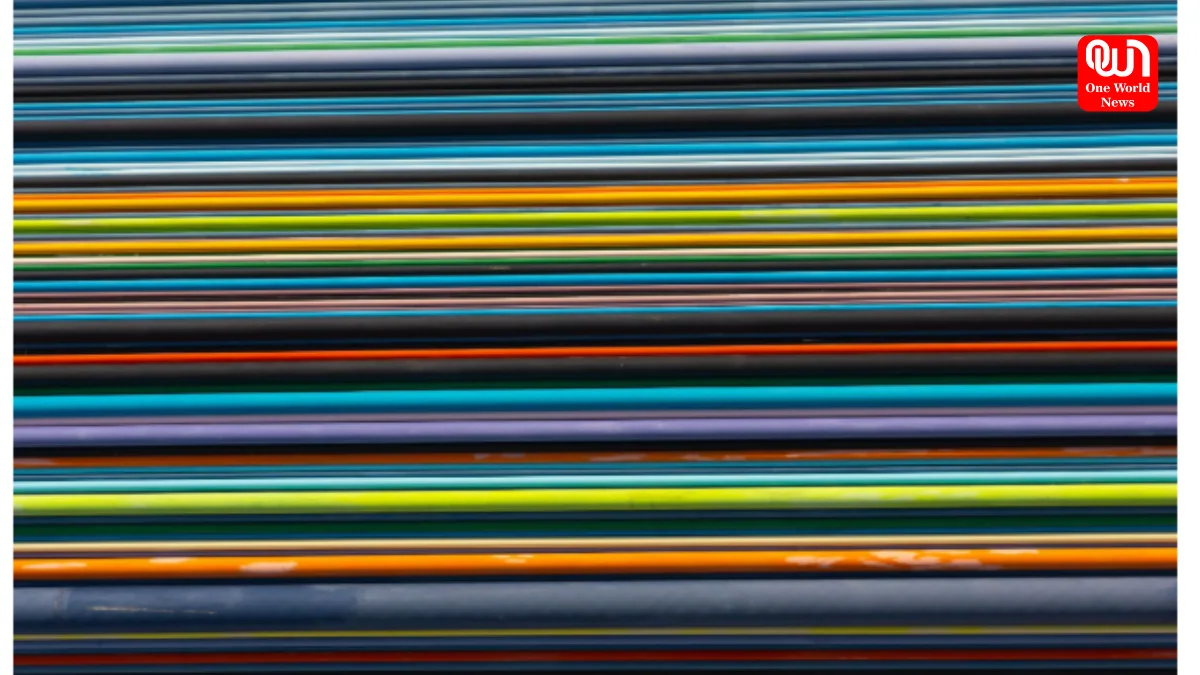
Modern industrial design rarely relies on luck. When engineers build everything from high-speed transit systems to energy-efficient commercial buildings, the difference between success and failure often comes down to invisible details. Off-the-shelf parts frequently fall short when projects demand exact specifications and long-term durability.
To bridge this gap, modern enterprises increasingly rely on specialized manufacturing partners who can transform raw materials into functional, high-performance plastic profiles tailored to exact structural requirements.
The Shift Toward Tailored Engineering Solutions
For decades, heavy metals and rigid woods dominated industrial applications, regardless of their weight or corrosion vulnerabilities. Today, material science has evolved past those limitations. Advanced thermoplastics offer a compelling mix of lightweight resilience, thermal insulation, and chemical resistance.
However, raw pellets alone do not solve architectural puzzles. The true value lies in the extrusion process: melting raw polymers and forcing them through precision steel dies to create intricate cross-sections. This method eliminates secondary assembly steps, trimming both labor costs and structural weight from the final product.
Read More: Mathematics Day 2026: Date, History, Significance and Srinivasa Ramanujan’s Contribution
Engineering for Extremes: Performance Under Pressure
Designing a component that survives decades of outdoor exposure requires an intimate understanding of environmental stress factors. Temperature shifts, UV degradation, and mechanical loads test the limits of inferior materials.
- Weatherability and UV Resistance: Outdoor applications demand specialized formulations that prevent discoloration and embrittlement under intense sunlight.
- Flexibility and Dual-Hardness: Co-extrusion techniques allow manufacturers to fuse rigid mounting bases with soft, flexible sealing lips into a single component.
- Regulatory Compliance: Specialized medical and food-processing sectors require non-toxic compounds capable of withstanding rigorous sterilization cycles.
Organizations like ASTM International continue to spearhead global standards and research into material testing, helping engineers optimize component performance for demanding industrial environments.
The Primo Standard in Modern Production
Navigating the complexities of custom manufacturing requires a partner who combines technical mastery with practical production experience. Primo has earned its reputation by collaborating closely with clients from initial concept sketches through to high-volume manufacturing. By maintaining strict quality controls, the brand ensures that every custom component performs reliably under harsh real-world conditions. Ultimately, investing in precision-engineered profiles is an investment in product longevity—turning basic chemistry into the backbone of future industrial design.
We’re now on WhatsApp. Click to join.
Like this post?
Register at One World News to never miss out on videos, celeb interviews, and best reads.