
What Are Dopamine Sites? The New Digital Trend for the Thrill of Shopping Without Spending
Discover dopamine sites, the viral dopamine sites trend, fake shopping therapy and the anticipation reward trend 2026 changing how people shop online.

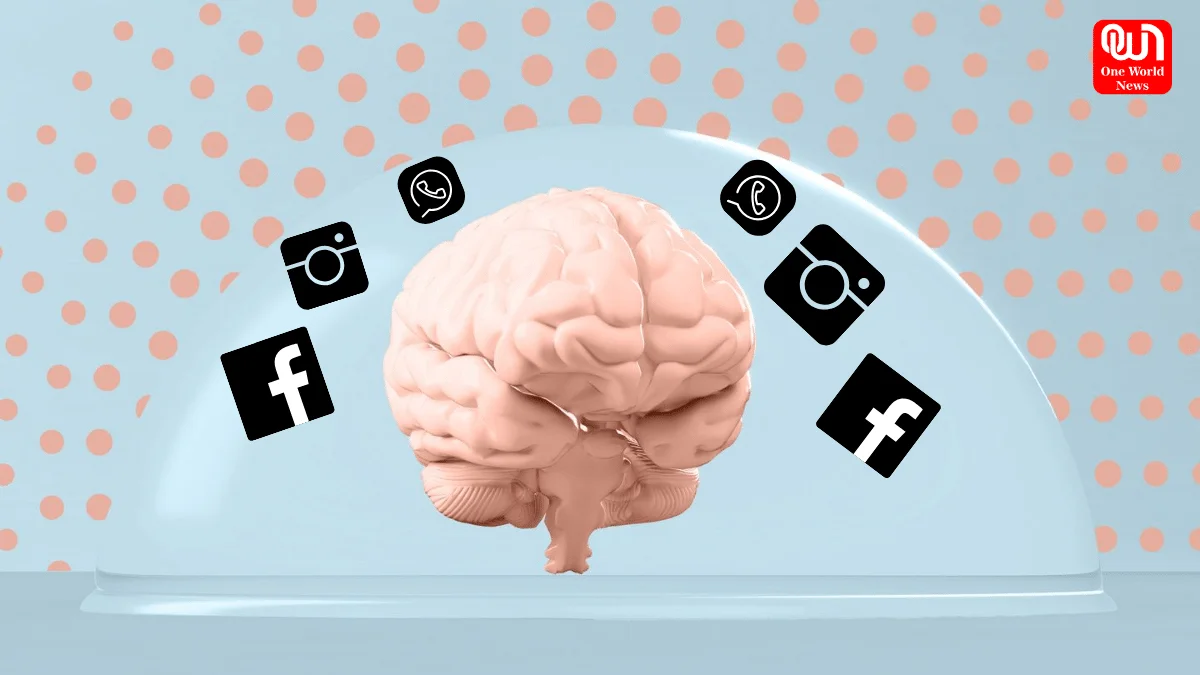
What Are Dopamine Sites? The New Digital Trend for the Thrill of Shopping
Imagine filling an online shopping cart with clothes, gadgets, food or even a holiday package, clicking “buy,” watching a delivery tracker move—and then realizing that nothing will ever arrive. Sounds strange? This is exactly what dopamine sites are designed to offer.
The concept has become one of the internet’s unusual viral trends in 2026. Originating in South Korea, these platforms recreate the excitement of online shopping without charging users or delivering actual products. Instead of selling things, they sell the experience of shopping itself. Recent coverage has described the phenomenon as a way to enjoy browsing, choosing, ordering and waiting without the financial consequences of a real purchase.
What Are Dopamine Sites?
Dopamine sites are websites or apps that imitate the process of online shopping, food ordering or booking. Users can browse fictional products, add items to a virtual cart, complete a pretend checkout and sometimes follow a simulated delivery.
Unlike conventional e-commerce platforms, there is no genuine transaction. No money is deducted, and the selected products do not arrive at the user’s doorstep.
The idea is simple: remove the expensive part of shopping while keeping the fun parts. Browsing products, comparing options, making choices and anticipating delivery can all create excitement. This has helped the dopamine sites trend attract attention among internet users looking for entertainment without spending money.
How Did the Dopamine Sites Trend Start?
The trend gained momentum in South Korea during 2026, where fake food-ordering and shopping experiences began circulating online. Some platforms allowed users to select meals, customize orders and even follow a fictional delivery journey despite no real restaurant or delivery taking place.
The concept quickly attracted international attention because it turns a familiar digital habit—online shopping—into entertainment in its own right. Media reports later highlighted similar experiences involving fashion, food, home products and other categories.
By late 2026, the trend had also reached Indian audiences and developers, with reports noting that several Indian-built versions were created after the Korean phenomenon went viral.
Why Does Fake Shopping Feel So Satisfying?
The appeal is closely connected to anticipation and reward. Shopping does not necessarily become exciting only after an item arrives. The process leading up to the purchase can also be enjoyable.
Think about the familiar sequence: discovering something interesting, checking different options, putting it into a cart, deciding whether to buy it and finally completing checkout. Even tracking a package can create anticipation.
This is where the anticipation reward trend 2026 comes into the picture. Dopamine is involved in motivation, reward-seeking and anticipation. Experts quoted in reporting on the trend explain that consumers can become excited by the possibility of receiving something before they actually receive it.
Dopamine sites essentially recreate those moments while removing the financial transaction.
Is This Fake Shopping Therapy?
The term fake shopping therapy is increasingly being associated with this phenomenon, although it should not automatically be considered a medical treatment or replacement for professional help.
For some people, simulated shopping may simply provide a playful alternative to browsing real stores. Someone who enjoys filling carts online but does not actually want another purchase might find the fictional experience entertaining.
However, it is important to remember that these platforms are primarily digital experiences. Claims that they can treat compulsive shopping or mental-health conditions should be approached carefully unless supported by appropriate clinical evidence.
The Thrill of Purchasing Without the Purchase
The thrill of purchasing trend highlights an interesting change in how people interact with online commerce. Traditionally, shopping platforms have focused on selling products. Dopamine sites turn that model upside down.
The product becomes almost irrelevant. The real attraction is the journey: discovering something, making a selection, checking out and imagining what happens next.
That makes these platforms closer to interactive entertainment than traditional e-commerce. They demonstrate how much emotional value can exist in the process of shopping—even when there is no physical product at the end.
Why Are Dopamine Sites Going Viral?
Several factors make the trend particularly suitable for social media. First, the idea is unusual and easy to explain: “Shop online, pay nothing and receive nothing.”
Second, the experience is highly shareable. People can show friends what they supposedly ordered or joke about spending imaginary money.
Third, the trend arrives at a time when consumers are increasingly conscious of unnecessary spending. Rising costs can make impulse purchases less attractive, while the desire for novelty and entertainment remains.
The result is a digital compromise: users can enjoy the ritual without opening their wallets.
Are Dopamine Sites the Future of Online Shopping?
It is too early to say whether dopamine sites will become a permanent part of digital culture or remain a viral internet curiosity. However, the trend reveals something important about modern consumer behaviour.
Online shopping is not only about ownership. For many people, browsing, discovering, comparing, choosing and anticipating are enjoyable experiences on their own.
The viral dopamine sites phenomenon separates those emotional elements from actual spending. Whether users see it as entertainment, digital window-shopping or simply another strange internet trend, it offers a fascinating look at how technology can recreate the psychology of purchasing without the purchase itself.
Final Thoughts
The rise of dopamine sites represents an unusual evolution of online shopping culture. What began as a South Korean digital trend has attracted global attention by offering users the excitement of shopping without the bill.
As the dopamine sites trend continues developing in 2026, it raises an interesting question: do people really want the products, or do they sometimes want the anticipation, choice and excitement that come before them?
For now, these platforms are proving that in the digital world, sometimes the thrill of shopping can be the product itself.
We’re now on WhatsApp. Click to join.
Like this post?
Register at One World News to never miss out on videos, celeb interviews, and best reads.