
What Is an Advent Calendar? Meaning, History and Why Luxury Brands Are Obsessed With It
Discover what is an Advent Calendar, its history, and why luxury brands love this festive trend, including the SKIMS Advent Calendar craze.

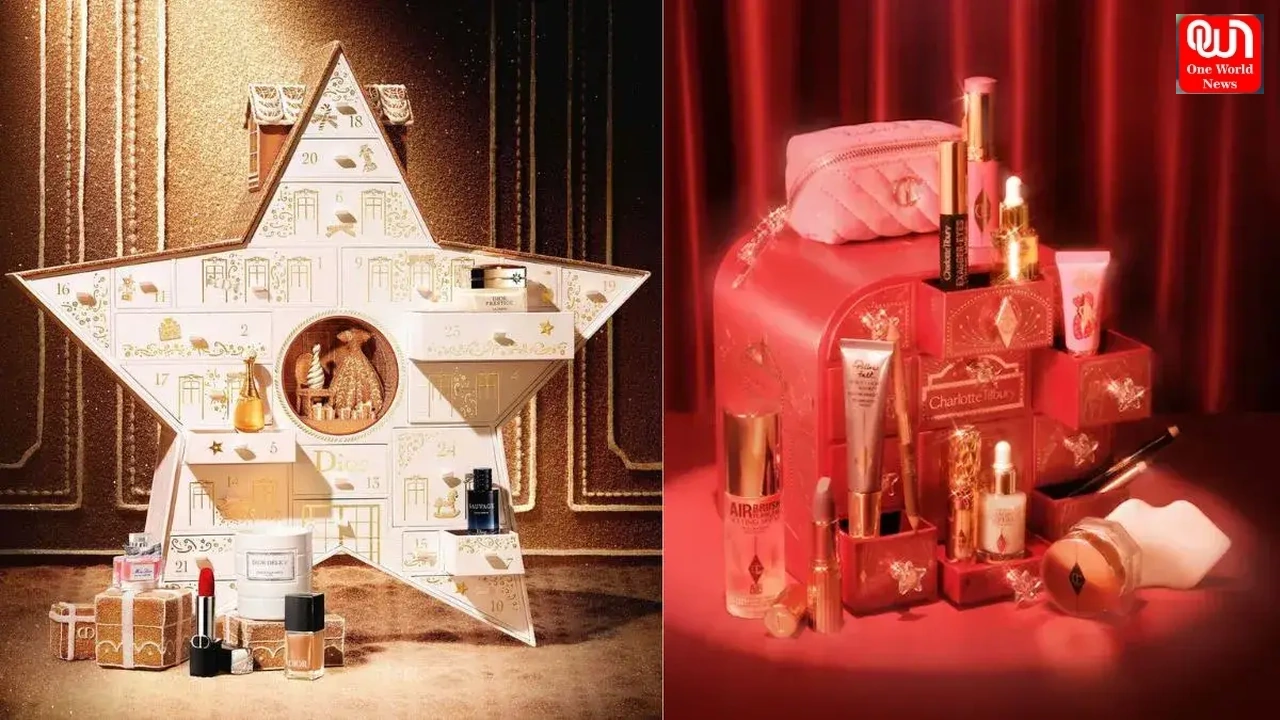
What Is an Advent Calendar? The Real Reason Luxury Brands Are Obsessed With It
Every year, as Christmas approaches, a festive shopping trend starts taking over social media. Beautifully designed boxes, mysterious little compartments and exciting daily surprises become the centre of attention. From skincare and perfumes to fashion accessories and exclusive gifts, Advent calendars have become a major attraction for shoppers. But what is behind this growing obsession, and why are luxury brands investing so much in these seasonal collections?
The answer goes beyond Christmas celebrations. Advent calendars have evolved into powerful marketing products that combine tradition, exclusivity, customer engagement and the excitement of discovering something new every day.
What Is an Advent Calendar?
An Advent calendar is a special countdown calendar traditionally used to mark the days leading up to Christmas. Most calendars feature 24 numbered doors, drawers or small compartments, with one surprise hidden behind each section. People open one compartment every day from December 1 to December 24.
The surprise can be anything, including chocolates, beauty products, skincare samples, perfumes, jewellery, toys or personalised gifts.
Today, Advent calendars are no longer limited to children or traditional Christmas celebrations. Luxury brands have transformed them into premium gifting collections featuring carefully selected products and attractive packaging.
Understanding the Advent Calendar Meaning
The Advent Calendar meaning comes from the Christian tradition of Advent, a period of preparation and anticipation before Christmas. The word Advent originates from the Latin word ‘adventus’, meaning arrival or coming.
Traditionally, Advent represents the spiritual preparation for celebrating the birth of Jesus Christ. The calendar gives people a simple and enjoyable way to count down the days until Christmas.
However, the modern version has introduced a more commercial approach. Instead of religious pictures or simple chocolates, today’s calendars often contain premium products that make the countdown feel like a daily gifting experience.
Advent Calendar History: Where Did It Begin?
The Advent Calendar history dates back to 19th-century Germany, where Protestant families developed different ways to count the days before Christmas. Some families used chalk marks on doors, while others lit candles or displayed religious pictures.
During the early 20th century, printed Advent calendars with small opening doors became popular. German publisher Gerhard Lang is widely associated with developing the early commercial versions of these calendars.
By the 1950s, chocolate-filled Advent calendars started gaining popularity, making the tradition even more exciting for children.
The biggest transformation came much later when retailers and beauty companies introduced premium versions. Selfridges helped popularise the modern beauty Advent calendar in 2010, featuring multiple beauty products inside an attractive gift box.
Since then, the concept has expanded across the fashion, skincare, fragrance and lifestyle industries.
Why Luxury Brands Release Advent Calendar Collections
Luxury brands do not introduce these collections simply to celebrate Christmas. There are several marketing reasons behind their growing popularity.
1. Creating Excitement for 24 Days
Traditional advertising promotes a product for a limited period, but an Advent calendar creates repeated customer interaction. Every day brings another opportunity to discover a product and engage with the brand.
This makes the shopping experience more memorable than purchasing a single gift.
2. Building Exclusivity and Creating FOMO
Limited-edition collections are an important part of luxury marketing. Brands often produce Advent calendars in restricted quantities, making customers feel that they need to purchase quickly before stocks disappear.
This creates a sense of urgency and makes the product feel more exclusive.
3. Introducing Customers to Different Products
A luxury Advent calendar can contain miniature perfumes, skincare essentials, makeup products and other popular items.
Customers get an opportunity to explore different products without purchasing every item separately. For brands, this is also an effective way to introduce shoppers to products they might purchase again.
4. Social Media and Unboxing Culture
Social media has played a major role in making Advent calendars popular. Influencers and content creators regularly share unboxing videos, revealing the products hidden inside each compartment.
These videos generate curiosity, discussions and brand visibility. A single viral unboxing can introduce a luxury collection to millions of potential customers.
The Luxury Advent Calendar Trend: More Than Just a Gift Box
A luxury Advent calendar is designed to deliver an experience rather than simply provide multiple products.
Brands such as Dior, Chanel, Charlotte Tilbury and Jo Malone have attracted attention with their elaborate seasonal collections.
Premium packaging, exclusive designs, fragrance selections and carefully curated products make these calendars appealing to collectors and luxury shoppers.
However, expensive packaging does not automatically guarantee customer satisfaction. Buyers increasingly compare the actual value of the products with the selling price.
SKIMS Advent Calendar: When Luxury Marketing Faces Backlash
The SKIMS Advent calendar controversy in November 2026 highlighted the risks associated with premium seasonal marketing.
SKIMS introduced a 12-day accessories Advent calendar priced at $148. However, customers expressed disappointment after unboxing videos revealed items such as hair accessories, keychains, bra straps and other small accessories.
Many shoppers questioned whether the contents justified the price. The criticism quickly spread across social media, turning a promotional campaign into a major discussion about product value and customer expectations.
Following the backlash, SKIMS reportedly removed the calendar and offered customers a refund or $150 store credit if they chose to keep it.
The incident demonstrated that social media can create enormous attention for luxury brands, but it can also expose products to immediate criticism.
Are Advent Calendars Worth Buying?
Advent calendars can offer excellent value when they contain products customers genuinely want to use. Before purchasing one, shoppers should check the product list, original retail values, full-sized versus miniature items and the overall quality of the collection.
It is also important to remember that attractive packaging and a famous brand name should not be the only reasons behind a purchase.
Read more: Kavya Maran And Anirudh Ravichander’s Wedding Wardrobe Had Sequins, Feathers And Zero Boring Moment
Final Thoughts
Advent calendars have travelled a long way from their traditional German beginnings. What started as a simple Christmas countdown has developed into a global retail trend embraced by luxury fashion, beauty and lifestyle brands.
Their success comes from combining anticipation, exclusivity, product discovery and social media attention. However, the SKIMS Advent controversy also proves that customers expect genuine value alongside luxury branding.
Ultimately, the future of luxury Advent calendars will depend on how well brands balance creativity, quality and customer expectations.
We’re now on WhatsApp. Click to join.
Like this post?
Register at One World News to never miss out on videos, celeb interviews, and best reads.