
Rakul Preet Singh Wears Assam’s Golden Muga Silk: 6 Interesting Facts About This Traditional Handloom Saree
Actress Rakul Preet Singh celebrates Assam’s fashion heritage in golden Muga silk. Discover six facts about this traditional handloom treasure.

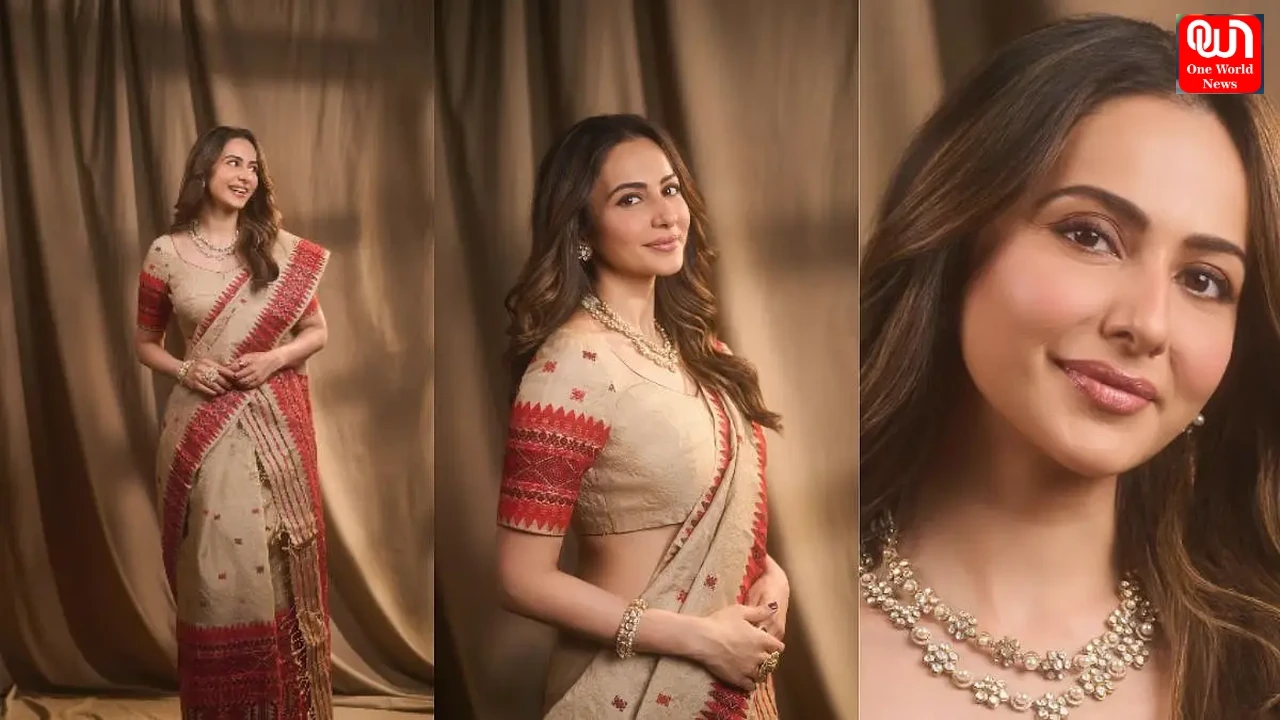
Actress Rakul Preet Singh Brings Assam’s Rich Fashion Heritage Into Spotlight With Golden Muga Silk: 6 Things to Know About the Traditional Handloom Saree
Traditional Indian textiles are receiving fresh attention in the fashion world, and actress Rakul Preet Singh has added another beautiful example to the trend. The actress recently embraced Assam’s celebrated golden silk by wearing a traditional Mekhela Sador for a Diwali celebration. Her elegant outfit highlighted the beauty of Muga silk, a fabric deeply connected with Assam’s culture, craftsmanship and handloom heritage.
Moving beyond conventional festive sarees and contemporary ethnic outfits, Rakul Preet Singh showcased how traditional clothing can make a stylish statement. Her look also brought attention to the skilled artisans who preserve India’s regional weaving traditions.
Muga silk is not just another luxurious fabric. It is known for its natural golden appearance, durability and cultural significance. Here are six interesting things to know about Assam’s famous golden silk.
1. Muga Silk Is Naturally Golden
One of the most attractive features of Muga silk is its naturally golden-yellow colour. Unlike many other fabrics that require artificial dyes to achieve a golden appearance, Muga silk gets its distinctive shade from its natural fibres.
The silk is produced by the silkworm species known as Antheraea assamensis, which is closely associated with Assam. Its beautiful golden sheen gives the fabric a luxurious appearance, making it a popular choice for traditional outfits and special occasions.
The natural colour and subtle shine make Muga silk particularly attractive for people who appreciate elegant and traditional fashion.
2. Assam Is the Home of Muga Silk
Muga silk has a strong connection with Assam and represents an important part of the state’s cultural identity. The region has a long history of silk production, with traditional sericulture practices passed down through generations.
According to the Directorate of Sericulture, Assam is the world’s largest producer of Muga silk. The silkworms are traditionally raised on host plants such as Som and Soalu.
Muga silk received Geographical Indication (GI) recognition in 2007, highlighting its association with Assam and protecting its regional identity. This recognition makes the fabric an important symbol of the state’s traditional textile industry.
3. Muga Silk Is Famous for Its Durability
Apart from its beautiful golden colour, Muga silk is also appreciated for its strength and long-lasting quality. Its fibres are naturally durable, which makes garments created from this material valuable additions to traditional wardrobes.
Unlike ordinary fashion fabrics that may lose their appeal after repeated use, properly maintained Muga silk garments can remain beautiful for many years.
Many families in Assam preserve their Muga silk sarees and traditional outfits as treasured possessions. Some garments are even passed down through generations, giving them emotional and cultural value beyond their appearance.
Its combination of durability, elegance and traditional craftsmanship makes Muga silk a premium textile.
4. Sualkuchi Is Known for Its Silk-Weaving Tradition
When discussing Assam’s silk industry, Sualkuchi deserves special attention. Located near Guwahati, this village is widely recognised as one of the state’s most important silk-weaving centres.
Often called the Manchester of the East, Sualkuchi has a long history of producing traditional Assamese textiles, including Muga, Eri and Pat silk garments.
Local weavers use their specialised skills to create beautiful fabrics featuring intricate patterns, decorative borders and traditional designs. These techniques have been preserved through generations of artisan families.
The village plays an important role in supporting Assam’s handloom industry and keeping its traditional weaving heritage alive.
5. Traditional Muga Designs Reflect Assamese Culture
Another interesting aspect of Muga silk is its traditional craftsmanship. The fabric is often decorated with beautiful motifs inspired by nature, flowers, birds, animals and Assamese cultural symbols.
Patterns such as floral designs, geometric shapes and traditional Jaapi-inspired motifs add character to the garments.
These designs are not simply decorative elements. They represent the artistic traditions and cultural identity of Assam.
Depending on the weaving style, some Muga silk garments feature simple golden bodies with elegant borders, while others showcase elaborate patterns and colourful detailing.
The combination of natural golden fibres and traditional motifs makes every handwoven creation visually distinctive.
6. Mekhela Sador Is a Traditional Assamese Outfit
Rakul Preet Singh’s outfit also brought attention to the Mekhela Sador, one of the most recognisable traditional garments worn by women in Assam.
Unlike a conventional saree, the Mekhela Sador consists of two separate pieces of fabric. The Mekhela is the lower garment, which is wrapped around the waist, while the Sador is draped around the upper body.
The outfit is commonly worn during festivals, weddings, cultural celebrations and other important occasions.
When crafted from Muga silk, the Mekhela Sador becomes particularly special because it combines Assam’s traditional clothing style with its most celebrated golden textile.
Women often pair these outfits with traditional jewellery, elegant blouses and carefully selected accessories to complete their festive appearance.
Why Rakul Preet Singh’s Muga Silk Look Is Special
Celebrity fashion can play an important role in bringing traditional Indian textiles into the spotlight. Rakul Preet Singh’s choice of Assam’s golden silk demonstrates how regional handloom garments can look equally elegant and fashionable in modern times.
Her traditional outfit also offers an opportunity to appreciate the hard work of Assamese weavers and the cultural stories behind their creations.
From the natural golden fibres to the intricate weaving techniques, Muga silk represents generations of craftsmanship. Its popularity highlights the importance of preserving India’s traditional textile industry while encouraging contemporary fashion enthusiasts to explore regional clothing.
Reasd more: Kavya Maran And Anirudh Ravichander’s Wedding Wardrobe Had Sequins, Feathers And Zero Boring Moment
Conclusion
Muga silk holds a special place in India’s fashion and textile heritage. Its natural golden shine, remarkable durability, traditional weaving techniques and connection with Assam make it one of the country’s most distinctive silk varieties.
Rakul Preet Singh’s beautiful traditional appearance has once again highlighted the charm of Assamese handloom sarees and the importance of celebrating India’s diverse fashion traditions. Beyond changing trends, Muga silk continues to represent elegance, cultural pride and the timeless creativity of local artisans.
We’re now on WhatsApp. Click to join.
Like this post?
Register at One World News to never miss out on videos, celeb interviews, and best reads.