Garba Controversy in Surat: Debate Over Muslim Bouncers at Navratri Festival
Garba controversy in Surat sparks debate over religious identity, security, employment rights and Bajrang Dal's objections at a Navratri festival.


Garba Controversy in Surat: Religious Identity, Security and Employment Rights
Introduction: Why Is the Surat Garba Controversy in the News?
A festival celebrated with devotion, music and traditional dance has become the centre of a debate over religion, employment and security. In Surat, Gujarat, the presence of Muslim security guards at the OG Navratri Garba Festival triggered objections from Bajrang Dal activists, raising questions about whether a worker’s religious identity should influence their employment.
The incident took place on October 13, 2026, at the Surat International Exhibition and Convention Centre (SIECC) in Sarsana. According to media reports, the dispute has renewed discussions about religious traditions, women’s safety and equal treatment in the workplace. <Cite refs={[“turn665184search5”]}/>
What Happened at the OG Navratri Garba Festival?
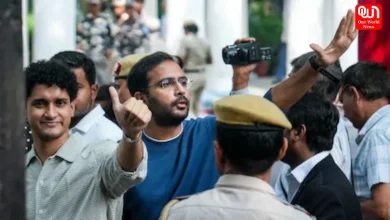
According to reports, Bajrang Dal activists reached the venue after learning that approximately five to six bouncers assigned to security duties reportedly belonged to the Muslim community. The group objected to their presence and demanded that the existing security agency be removed.
A woman was reportedly among the security personnel involved in the controversy. Police intervened at the venue and spoke with representatives of the organisation to address the situation.
The reported objection focused on the religious identities of the security guards rather than a specific, established allegation of misconduct by an individual guard. This distinction is important when examining the incident.
Security at large public events is a serious responsibility. However, concerns about safety are best addressed through professional training, identity verification, background checks and appropriate supervision.
Why Did VHP and Bajrang Dal Demand Hindu-Only Staff?
The controversy followed demands made in September 2026 by the Surat units of the Vishwa Hindu Parishad (VHP) and Bajrang Dal.
According to The New Indian Express, the organisations called for Hindu-only staffing at Garba events. Their proposed restrictions covered performers, photographers, videographers, lighting and sound operators, catering workers, parking staff and security personnel. They also sought restrictions on the entry of non-Hindus.
The organisations cited the religious significance of Navratri, women’s safety and concerns they described as ‘love jihad’ to support their demands.
These explanations represent the organisations’ stated positions. Allegations about possible wrongdoing should not be treated as established facts without supporting evidence. A person’s religion alone does not establish criminal intent or demonstrate that they pose a threat to others.
The dispute has consequently raised broader questions about the relationship between religious observances, event management and employment opportunities.
Garba and the Importance of Religious Traditions
Garba is a traditional Gujarati folk dance associated with Navratri, a Hindu festival dedicated to the worship of Goddess Durga and her various forms. During the festival, people gather at venues, community grounds and residential societies to participate in devotional music and dance.
For many participants, Garba is an important expression of faith, cultural identity and community celebration. Organisers have a legitimate interest in maintaining the religious character of their events and ensuring that celebrations take place respectfully.
At the same time, festivals depend on many workers who perform essential duties behind the scenes. Security guards, technicians, cleaners, photographers, caterers and event coordinators help ensure that celebrations run smoothly.
The Surat incident highlights the tension between demands based on religious identity and questions about fair access to employment. How these concerns are handled can influence not only individual workers but also the wider atmosphere surrounding public celebrations.
Does Religious Identity Determine Security?
One of the central questions raised by the Garba controversy is whether a person’s religion can reliably determine their professional suitability.
Effective event security requires practical measures. Organisers can verify identification, review relevant backgrounds, provide appropriate training, establish clear codes of conduct and ensure that supervisors respond quickly to complaints.
These standards should focus on the responsibilities of the job and the actual conduct of the people performing it.
If a security guard engages in misconduct, the complaint should be investigated and appropriate action taken. If a security agency fails to meet its contractual obligations, the organisers should hold it accountable.
However, assumptions about an entire religious community cannot replace evidence-based security procedures. The applicable legal position regarding employment and event-entry policies depends on the circumstances and relevant laws.
Women’s Safety and Employment Rights
Women’s safety at Garba events deserves serious attention. Large gatherings require effective crowd management, secure entry and exit points, adequate lighting, trained personnel and accessible reporting mechanisms for harassment.
These measures provide practical safeguards for participants and workers alike.
The debate also raises questions about the livelihoods of people employed in the event industry. Removing workers solely because of their religious identity can create serious concerns about fairness and equal opportunity. Any specific employment dispute should be examined in light of the facts, the applicable rules and the law.
A balanced approach can respect religious traditions while ensuring that safety decisions are based on credible concerns and professional standards.
Conclusion: What Does the Surat Garba Row Teach Us?
The Surat Garba controversy demonstrates how religious identity, public safety and employment can become intertwined during major cultural celebrations.
Navratri deserves to be celebrated with devotion and respect, and every participant should be able to enjoy the festival in a safe environment. Organisers, security agencies and authorities all have responsibilities in achieving that goal.
The key lesson is that safety requires preparation, evidence and accountability. Decisions about security personnel should consider their training, conduct and professional responsibilities rather than relying on assumptions about their religion.
Stay connected with One World News for updates on political developments, social issues and important events shaping public discussion. Stay informed, examine the facts and ask questions that encourage accountability and responsible debate.
We’re now on WhatsApp. Click to join.
Like this post?
Register at One World News to never miss out on videos, celeb interviews, and best reads.