PM Modi, Xi And Putin Set For Another Viral Moment? 7 Reasons The Bishkek Photo Op Matters
Modi Xi Putin meeting at the SCO Summit in Bishkek highlights India China Russia ties, geopolitics and the rise of a multipolar world.

PM Modi, Xi And Putin Set For Another Viral Moment? 7 Reasons The Bishkek Photo Op Matters | Modi Xi Putin Meeting, SCO Summit
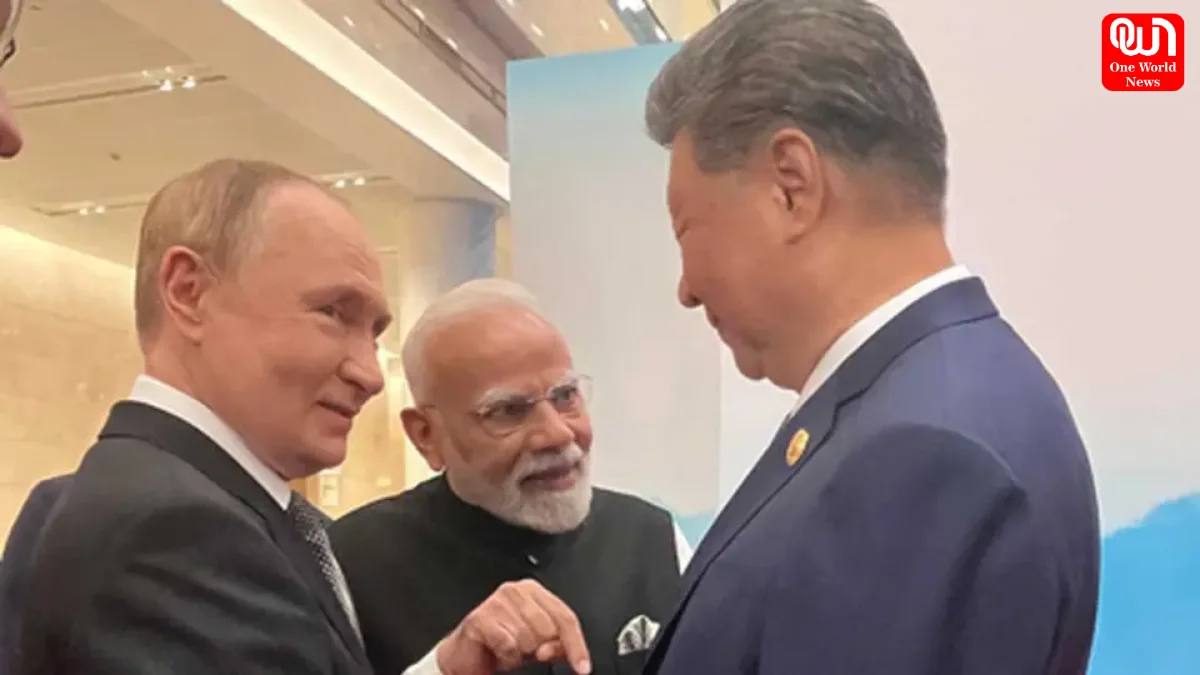
The Modi Xi Putin meeting at the SCO Summit in Bishkek is attracting global attention as India, China and Russia navigate an increasingly complex geopolitical landscape. Prime Minister Narendra Modi, Chinese President Xi Jinping and Russian President Vladimir Putin are all participating in the 26th Shanghai Cooperation Organisation summit in Kyrgyzstan.
Any photograph featuring the three leaders together is likely to generate considerable interest because it brings together three major Eurasian powers with different interests but overlapping positions on several global issues. The significance goes well beyond a viral social-media moment.
1. A Powerful Symbol Of A Multipolar World
The first reason the Bishkek photo opportunity matters is symbolism. China and Russia have increasingly promoted a vision of a more multipolar world, while India has consistently pursued strategic autonomy rather than aligning itself permanently with any single power bloc.
The SCO provides an important platform for this approach. Its agenda includes security, economic cooperation, connectivity and regional development, making the presence of Modi, Xi and Putin particularly significant.
A photograph of the three leaders therefore represents the changing distribution of global influence rather than the creation of a formal alliance.
2. India-China Relations Are Showing Signs Of A Thaw
The timing is especially important for India China relations. New Delhi and Beijing have been working to stabilize ties following years of tensions along their disputed Himalayan border.
Reuters reported that India and China agreed in August 2026 to continue dialogue and seek a fair, reasonable and mutually acceptable settlement of their boundary issue.
Against this background, even a brief Modi-Xi interaction in Bishkek can carry diplomatic weight. However, a cordial photograph should not automatically be interpreted as the resolution of longstanding disagreements.
3. India-Russia Ties Remain A Strategic Pillar
For New Delhi, Russia remains an important strategic partner. Modi’s meeting with Putin in Bishkek covered political, economic, defence, energy, space, mobility and people-to-people cooperation. The two sides also discussed their engagement through BRICS and wider regional issues.
This makes the India Russia ties dimension of the SCO gathering particularly important. India continues to maintain strong relations with Moscow while simultaneously expanding partnerships with the United States, Europe, Japan and other countries.
4. Russia Wants To Demonstrate It Is Not Isolated
The Bishkek summit also matters for Moscow. Russia is facing continuing pressure from Western sanctions and the war in Ukraine. A high-level gathering involving India, China and other major Eurasian countries allows Putin to demonstrate Russia’s continued diplomatic reach.
Modi, meanwhile, has urged Putin to pursue an end to the Ukraine war and emphasized dialogue and diplomacy.
Thus, the photo can show diplomatic engagement without implying that India shares Russia’s position on every international issue.
5. China And Russia Are Deepening Their Partnership
The third side of the triangle is the increasingly close China-Russia relationship. Xi and Putin met on the sidelines of the Bishkek summit and reaffirmed the strategic importance of their partnership. Xi also emphasized cooperation aimed at strengthening global governance and advancing a more equitable international order.
India’s presence alongside both leaders creates an interesting diplomatic picture: New Delhi has close ties with Moscow but also significant economic and strategic competition with Beijing.
6. The SCO Is Becoming More Geopolitically Important
The SCO summit has evolved into a major Eurasian diplomatic gathering. The 2026 meeting comes amid conflicts in West Asia, the continuing Russia-Ukraine war, questions about global trade and wider debates over the international order.
For India, participating in the SCO allows New Delhi to engage simultaneously with China, Russia, Central Asian states, Iran and other regional powers. This supports India’s broader effort to maintain multiple diplomatic channels.
7. The Photo Could Set The Tone For Future Diplomacy
Finally, the Bishkek image matters because diplomatic optics can influence public perceptions. If Modi, Xi and Putin are seen sharing a relaxed interaction, it could reinforce the impression that communication among the three countries remains open despite their differences.
But the real test will come from what happens after the cameras disappear. Progress on trade, border stability, connectivity, energy, security and international conflicts will matter far more than a single photograph.
What The Bishkek Moment Really Means
The significance of the Modi Xi Putin meeting is therefore not simply about creating another viral image. It reflects the complicated balance of India China Russia relations at a time when global power is becoming increasingly fragmented.
India wants strong India Russia ties, stable India China relations, access to global markets and strategic freedom. China wants greater influence across Eurasia, while Russia seeks to maintain its global relevance and deepen partnerships beyond the West.
The Bishkek photo, if viewed in that context, becomes a snapshot of today’s Geopolitics: cooperation without complete alignment, competition alongside dialogue, and an increasingly visible push toward a Multipolar world. The image may go viral, but its real importance lies in the diplomatic relationships and strategic calculations standing behind it.
We’re now on WhatsApp. Click to join.
Like this post?
Register at One World News to never miss out on videos, celeb interviews, and best reads.