
Digital Detox 2026: Why Your Brain Needs a Break from Screens
Digital Detox 2026: In 2026, the concept of a digital detox is no longer a luxury — it’s a necessity. With screen time reaching record highs

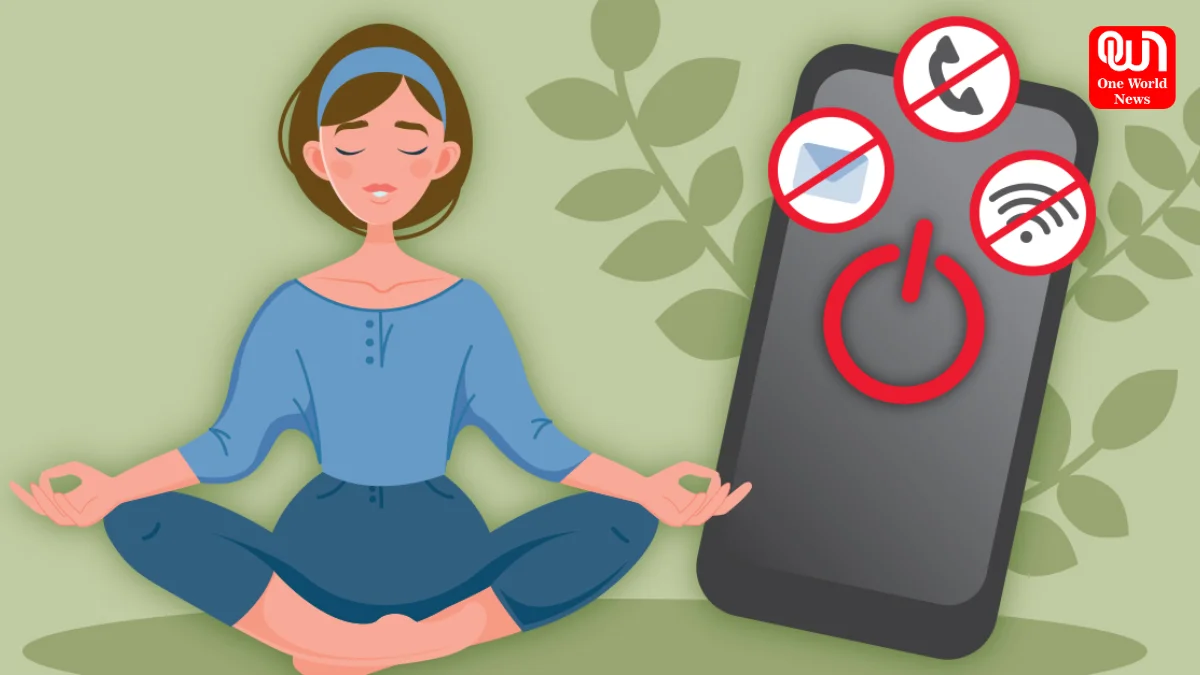
Digital Detox 2026: Why Your Brain Needs It
Digital Detox 2026: In 2026, the concept of a digital detox is no longer a luxury — it’s a necessity. With screen time reaching record highs and artificial intelligence, social media, remote work, and 24/7 connectivity becoming the norm, our brains are constantly stimulated. The result? Mental fatigue, anxiety, sleep disruption, and reduced attention spans.
The trend “Digital Detox 2026” is rising because people are realizing that unplugging isn’t about rejecting technology — it’s about reclaiming balance.
What Is a Digital Detox?
A digital detox is a conscious break from digital devices such as smartphones, laptops, tablets, gaming consoles, and social media platforms. It can last for a few hours, a weekend, or even several weeks.
The goal is to:
-
Reduce mental overload
-
Improve focus
-
Reconnect with real-world experiences
-
Restore emotional well-being
In 2026, digital detox strategies are becoming structured lifestyle practices rather than temporary social media challenges.
Why Your Brain Needs a Digital Detox in 2026
1. Dopamine Overload & Addiction Cycles
Every notification, like, and scroll triggers dopamine — the brain’s reward chemical. Over time, your brain begins to crave constant stimulation.
Excessive dopamine stimulation leads to:
-
Reduced attention span
-
Increased impulsivity
-
Difficulty focusing on deep work
-
Digital dependency
A detox helps reset the brain’s reward system, making everyday activities enjoyable again.
2. Mental Fatigue & Cognitive Burnout
Your brain wasn’t designed to process endless notifications, news updates, and multitasking. Constant digital input forces your brain into a reactive state.
Symptoms include:
-
Brain fog
-
Decision fatigue
-
Reduced creativity
-
Emotional exhaustion
Taking a break allows your prefrontal cortex — the decision-making center — to recover.
3. Sleep Disruption
Blue light from screens suppresses melatonin production. Late-night scrolling disrupts your circadian rhythm, leading to poor-quality sleep.
After even 48 hours of reduced screen exposure, many people report:
-
Deeper sleep
-
Faster sleep onset
-
Improved morning energy
4. Anxiety & Social Comparison
In 2026, hyper-curated digital lives continue to increase social comparison. Constant exposure to highlight reels can distort reality.
Digital detox benefits:
-
Reduced anxiety
-
Improved self-esteem
-
Less comparison-driven stress
Signs You Need a Digital Detox
You may need a detox if you:
-
Check your phone within 5 minutes of waking up
-
Feel anxious when your phone battery is low
-
Scroll without purpose for hours
-
Struggle to focus without checking notifications
-
Experience eye strain or headaches
If 3 or more apply, your brain is likely overstimulated.
The Science Behind Digital Detox
| Brain Impact Area | Effect of Excessive Screen Time | Benefit of Digital Detox |
|---|---|---|
| Dopamine System | Overstimulation & dependency | Reward system reset |
| Attention Span | Reduced focus & multitasking fatigue | Improved concentration |
| Sleep Cycle | Melatonin suppression | Better sleep quality |
| Emotional Health | Anxiety & comparison stress | Emotional regulation |
| Memory Function | Shallow processing | Deeper cognitive retention |
Neuroscientists suggest that even short digital breaks improve neuroplasticity and mental clarity.
Digital Detox 2026 Trends
In 2026, detoxing is evolving beyond “no phone weekends.” Here’s what’s trending:
Micro-Detox
30–60 minute daily no-screen blocks.
Dopamine Fasting
Avoiding instant-gratification activities (social media, junk content) for 24–72 hours.
Tech-Free Zones
No devices in bedrooms or dining areas.
Mindful Tech Use
Intentional scrolling with time limits and purpose.
How to Start Your Digital Detox
Step 1: Audit Your Screen Time
Check your weekly device usage. Awareness is the first step.
Step 2: Set Boundaries
-
No phone during meals
-
No screens 1 hour before bed
-
Disable non-essential notifications
Step 3: Replace the Habit
Instead of scrolling:
-
Read physical books
-
Walk outdoors
-
Journal
-
Practice meditation
Step 4: Try a 24-Hour Reset
Choose one day per week to disconnect completely.
Benefits After 7 Days of Digital Detox
Many people report noticeable improvements within a week:
-
Sharper focus
-
Improved mood stability
-
Better productivity
-
Deeper conversations
-
Increased creativity
The brain begins recalibrating its stimulation threshold.
Digital Detox for Professionals
In remote and hybrid work culture, boundaries are essential.
Practical strategies:
-
Email blackout hours
-
No-meeting blocks
-
Scheduled offline thinking time
-
App blockers during deep work
Leaders in 2026 increasingly promote digital wellness policies to prevent burnout.
Common Myths About Digital Detox
Myth 1: You Must Quit Technology Completely
Reality: It’s about balance, not elimination.
Read more: World Health Day 2026: Theme, Significance, and Global Impact
Myth 2: It’s Only for People with Addiction
Reality: Everyone benefits from reduced stimulation.
Myth 3: It Hurts Productivity
Reality: Strategic disconnection improves cognitive performance.
Digital Detox & Mental Health
Studies show reduced social media exposure correlates with lower stress levels and improved emotional regulation.
A detox:
-
Enhances mindfulness
-
Improves real-world relationships
-
Increases self-awareness
-
Restores mental resilience
In 2026, mental health experts increasingly recommend structured screen breaks as part of therapy plans.
Frequently Asked Questions (FAQ)
Q1: How long should a digital detox last?
It depends on your goal. Beginners can start with 24 hours. For deeper resets, 3–7 days is effective.
Q2: Can I detox while working online?
Yes. Focus on non-essential digital activities like social media and entertainment first.
Q3: Will I miss important updates?
You can set emergency contacts or specific notification filters to stay reachable.
Q4: How often should I detox?
Weekly mini-detox sessions and one longer monthly reset are ideal.
Q5: Is digital detox scientifically proven?
Research supports benefits such as improved sleep, reduced anxiety, and enhanced focus when screen time is reduced.
Read more: Uday Bhanu Chib Arrested Over Shirtless Protest at AI Summit
Final Thoughts: Unplug to Recharge
Digital Detox 2026 is not about rejecting technology — it’s about regaining control over your attention.
Your brain thrives on:
-
Silence
-
Deep focus
-
Real conversations
-
Nature
-
Rest
When you unplug, even temporarily, you allow your nervous system to reset and your creativity to return.
In a hyper-connected world, the real power move in 2026 is intentional disconnection.
We’re now on WhatsApp. Click to join.
Like this post?
Register at One World News to never miss out on videos, celeb interviews, and best reads.