
Pakistan-Linked Agniveer Honey-Trapping Networks Target Young Agniveers; Intelligence Agencies Track Cases
Agniveer honey-trapping cases linked to Pakistan involve fake profiles, social media, sensitive information, counter-intelligence and financial inducements.

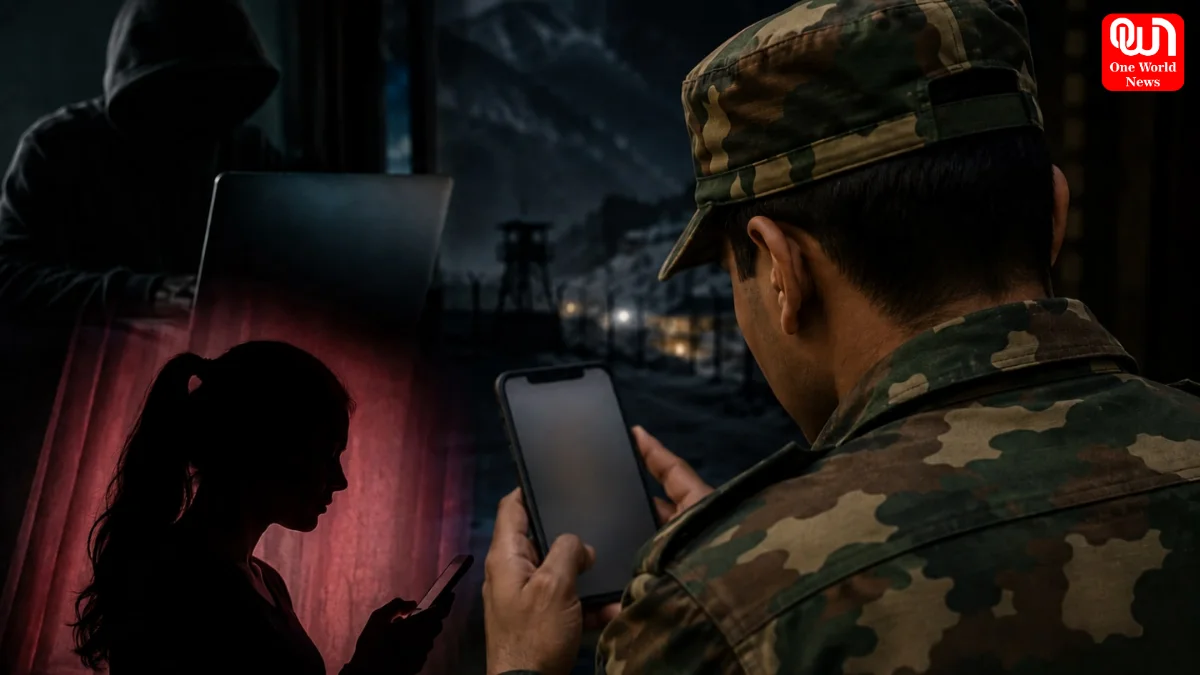
Pakistan-Linked Honey-Trapping Networks Target Young Agniveers; Agencies Track Cases | Exclusive
Reports of Agniveer honey-trapping attempts linked to Pakistan have prompted increased attention from intelligence agencies, with investigators examining suspicious social media interactions involving young personnel posted at sensitive locations. According to reports published on August 31, 2026, agencies are examining digital communications, online accounts and financial transactions to determine whether attempts were made to obtain sensitive information from Agniveers.
The investigation highlights the growing counter-intelligence challenge created by social-media platforms, where fake profiles can be used to establish relationships and gradually seek personal or work-related information. Authorities are reportedly assessing individual cases separately and examining whether personnel were simply approached or knowingly shared restricted information.
Agniveer Honey-Trapping Cases Under Intelligence Agencies’ Scanner
The reported cases involve young Agniveers whose online interactions have come under scrutiny. Investigators are examining the nature and duration of conversations, how contact was established and whether any information relating to duties, deployments or sensitive locations was discussed.
The inquiry does not automatically establish wrongdoing by the personnel involved. Agencies are reportedly reviewing available digital evidence before determining whether any security breach or offence occurred.
The development demonstrates why online interactions involving defence personnel can attract counter-intelligence attention, particularly when conversations move from personal subjects toward professional responsibilities or restricted information.
Fake Profiles Used To Build Online Trust
According to reports, the suspected networks allegedly rely on fake profiles, including profiles presenting themselves as young women, to initiate conversations with potential targets. The interaction can develop gradually, allowing the person behind the account to establish familiarity and trust.
Read more: UGC NET June 2026 Results Declared for 84 Subjects; Over 1.47 Lakh Candidates Qualify: Direct Link
Once communication becomes regular, questions may reportedly shift toward photographs, personal information, workplace details, locations, movements or other information connected with the target’s duties.
Investigators are therefore examining whether apparently ordinary conversations were part of a coordinated effort to collect information. They are also looking into whether several suspicious accounts may have connections with common handlers or a wider network.
Sensitive Information Is A Major Security Concern
For defence personnel, even seemingly harmless details can become a security concern when combined with other information. Details about deployment areas, movements, photographs, routines and work environments can potentially provide useful intelligence when collected systematically.
This is why sensitive information remains a central focus of the current inquiry. Agencies are reportedly reviewing conversations and digital records to determine whether restricted information was requested, disclosed or transmitted.
The investigation is also expected to distinguish between personnel who were contacted by suspicious accounts and individuals who may have knowingly participated in information-sharing.
Financial Inducements Also Being Investigated
The reported investigation extends beyond social-media conversations. Authorities are also examining financial transactions associated with some cases to determine whether financial inducements were allegedly offered in exchange for information.
Investigators are comparing financial trails with communication records and suspicious online activity. A monetary transaction by itself does not establish espionage, so agencies are reportedly examining the circumstances, purpose and timing of individual transactions before drawing conclusions.
This approach can help investigators identify whether apparently unrelated payments were connected to attempts at information gathering or were legitimate transactions unrelated to the suspected network.
Why Social Media Has Become A Counter-Intelligence Challenge
The reported cases underline how social media has changed the nature of potential intelligence-gathering operations. Traditional espionage may require physical access or direct meetings, while online platforms can allow individuals to establish contact remotely using concealed identities.
For intelligence agencies, identifying coordinated behaviour across multiple accounts can therefore become an important part of a counter-intelligence investigation. Digital footprints, communication patterns and financial links may provide clues about whether separate accounts are connected.
Earlier discussions by Indian defence officials have also highlighted social media and honey-trapping as security concerns, particularly regarding attempts to reach armed-forces personnel and extract information.
Young Agniveers Face Greater Digital-Security Risks
Young personnel can be particularly exposed to social-engineering attempts because online communication is an established part of modern social life. A suspicious contact may initially appear to be an ordinary friendship or personal relationship before gradually becoming focused on professional matters.
read more: B Nagendra Resigns As Karnataka Minister, Denies Role In Alleged Valmiki Scam
The current reports therefore reinforce the importance of maintaining strict digital-security practices. Defence personnel should avoid sharing restricted information, photographs or operational details through unofficial channels and should report suspicious approaches through appropriate internal mechanisms.
Agencies Continue Tracking Individual Cases
The reported Agniveer honey-trapping investigation remains focused on establishing facts. Agencies are examining digital accounts, communications and financial records while attempting to identify possible links between suspicious profiles and foreign handlers.
The cases also demonstrate the importance of vigilance in an increasingly connected environment. As Pakistan-linked espionage allegations continue to be examined, the use of fake profiles, social engineering and possible financial inducements shows why social-media activity can form an important part of modern counter-intelligence investigations.
For now, each case will depend on the evidence collected by investigators. Any conclusions about deliberate disclosure of sensitive information or criminal involvement should be based on verified evidence and the outcome of the ongoing investigations.
We’re now on WhatsApp. Click to join.
Like this post?
Register at One World News to never miss out on videos, celeb interviews, and best reads.