
International Day of Radiology 2026: History, Theme, Importance, and Global Awareness
International Day of Radiology 2026 highlights the importance of medical imaging, radiology, early diagnosis, patient care, and healthcare innovation.

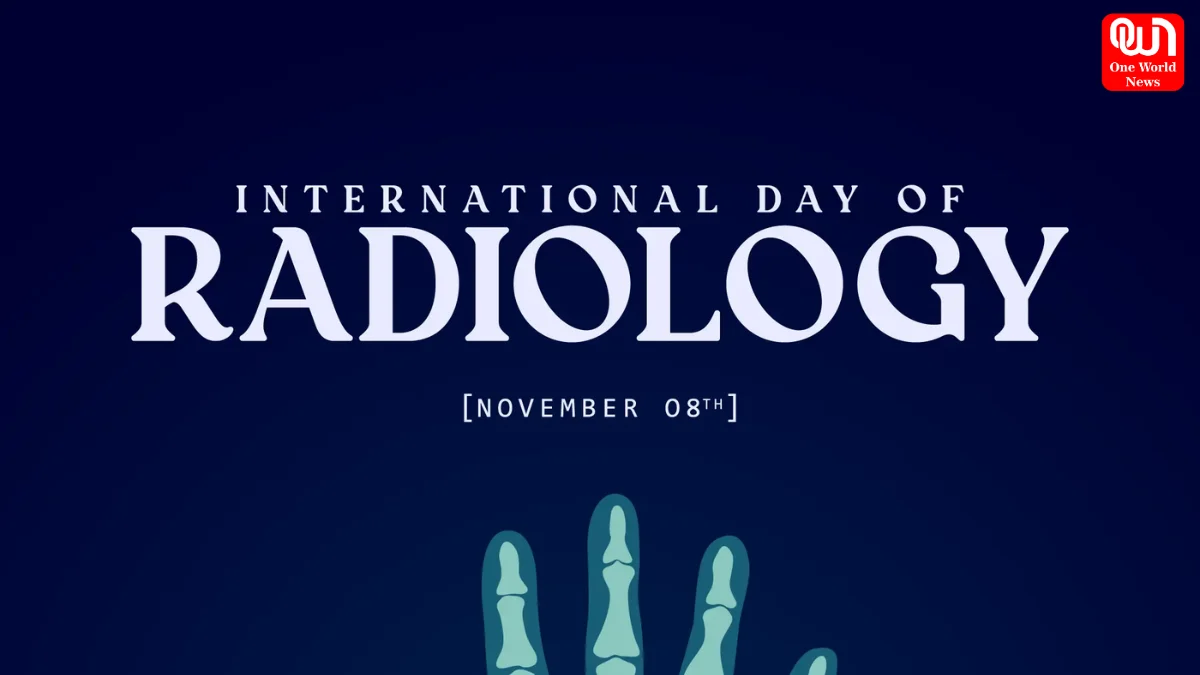
International Day of Radiology 2026: Know the History, Importance, Theme, Role of Medical Imaging, and Why Radiology Matters in Modern Healthcare
International Day of Radiology 2026 will be observed on November 8, 2026, bringing global attention to the important role of radiology and medical imaging in modern healthcare. The day provides an opportunity to recognize radiologists, radiographers, medical physicists, technologists, and other healthcare professionals who work with medical imaging technologies.
Radiology has become an essential part of healthcare because medical imaging allows doctors to examine the inside of the human body without invasive procedures. Technologies such as X-rays, computed tomography (CT), magnetic resonance imaging (MRI), ultrasound, and nuclear medicine help healthcare professionals detect, diagnose, and monitor a wide range of medical conditions.
What Is International Day of Radiology 2026?
International Day of Radiology is an annual global awareness day dedicated to highlighting the value of radiology and medical imaging. International Day of Radiology 2026 will continue this mission by emphasizing how imaging contributes to accurate diagnosis, treatment planning, disease monitoring, and patient care.
The date, November 8, is significant because it marks the anniversary of the discovery of X-rays by Wilhelm Conrad Röntgen in 1895. His discovery transformed medicine by making it possible to see structures inside the human body without surgery.
Today, radiology has developed far beyond conventional X-rays. Modern imaging systems provide highly detailed information that supports healthcare professionals in making informed clinical decisions.
Why Is International Day of Radiology Important?
The importance of International Day of Radiology 2026 extends across healthcare systems worldwide. Medical imaging can help doctors identify diseases at earlier stages, understand injuries, guide procedures, and assess whether treatments are working effectively.
Radiology also plays a significant role in emergency medicine. Imaging examinations can help healthcare teams quickly evaluate conditions such as fractures, internal injuries, strokes, and other medical emergencies.
read more: Karnataka To Launch India’s First Women’s Health Policy With A Focus On Menopause
The day also highlights the importance of appropriate imaging. Radiological examinations should be selected based on clinical needs, with healthcare professionals considering factors such as patient safety, diagnostic value, and radiation exposure where applicable.
Major Types of Medical Imaging
Radiology includes several imaging technologies, each serving different clinical purposes.
X-ray: X-rays are widely used to examine bones, the chest, and other structures. They remain one of the most commonly used forms of diagnostic imaging.
CT scans: Computed tomography combines multiple X-ray images to create detailed cross-sectional images of the body. CT can be particularly useful in emergencies and for evaluating complex conditions.
MRI: Magnetic resonance imaging uses magnetic fields and radio waves to produce detailed images of soft tissues, organs, joints, and other body structures.
Ultrasound: Ultrasound uses sound waves to create real-time images. It is commonly used in areas such as pregnancy care, abdominal imaging, and examinations of soft tissues.
Nuclear medicine: Nuclear medicine uses small amounts of radioactive materials to provide information about organ function and certain diseases.
The Role of Radiology in Early Diagnosis
Early and accurate diagnosis can make a significant difference in healthcare. Medical imaging can help identify abnormalities that may not be apparent through physical examination alone.
For example, imaging may help physicians evaluate tumors, infections, cardiovascular conditions, neurological disorders, bone injuries, and other health concerns. Radiologists interpret these images and provide information that can support the broader clinical team.
International Day of Radiology 2026 therefore serves as an opportunity to raise awareness about how diagnostic imaging contributes to modern medical decision-making.
Radiology and Technological Innovation
Radiology continues to evolve alongside advances in technology. Digital imaging, artificial intelligence (AI), improved image reconstruction, and advanced visualization techniques are changing how medical images are produced and interpreted.
AI-based tools can assist healthcare professionals with certain imaging workflows, image analysis, and prioritization of cases. However, these technologies are designed to support clinical expertise rather than replace qualified healthcare professionals.
Modern radiology also focuses on improving image quality while using appropriate imaging protocols. These developments can help healthcare providers obtain useful diagnostic information while maintaining a strong focus on patient safety.
How Is International Day of Radiology Observed?
Hospitals, medical institutions, professional organizations, universities, and healthcare communities may mark International Day of Radiology through educational programs, seminars, awareness campaigns, exhibitions, workshops, and social media activities.
read more: Why is Sabudana A Sawan Favourite? Health Benefits of Sabudana and Nutritional Value Explained
These initiatives can help students, healthcare workers, patients, and the general public better understand what radiology involves and why medical imaging is important.
Conclusion
International Day of Radiology 2026 is an important occasion for recognizing the contribution of radiology to healthcare. From traditional X-rays to advanced MRI, CT, ultrasound, and nuclear medicine, medical imaging has become an essential component of diagnosis and treatment.
The day also provides an opportunity to appreciate the professionals behind these technologies and promote greater awareness of safe, appropriate, and effective medical imaging. As technology continues to advance, radiology is expected to remain an important part of modern healthcare and patient-centered medicine.
We’re now on WhatsApp. Click to join.
Like this post?
Register at One World News to never miss out on videos, celeb interviews, and best reads