US Launches Strikes On Iranian Radar, Telecom Facilities As Peace Talks Continue
US Launches Strikes On Iranian Radar and telecom facilities as peace talks continue. Fresh military action raises regional tensions.

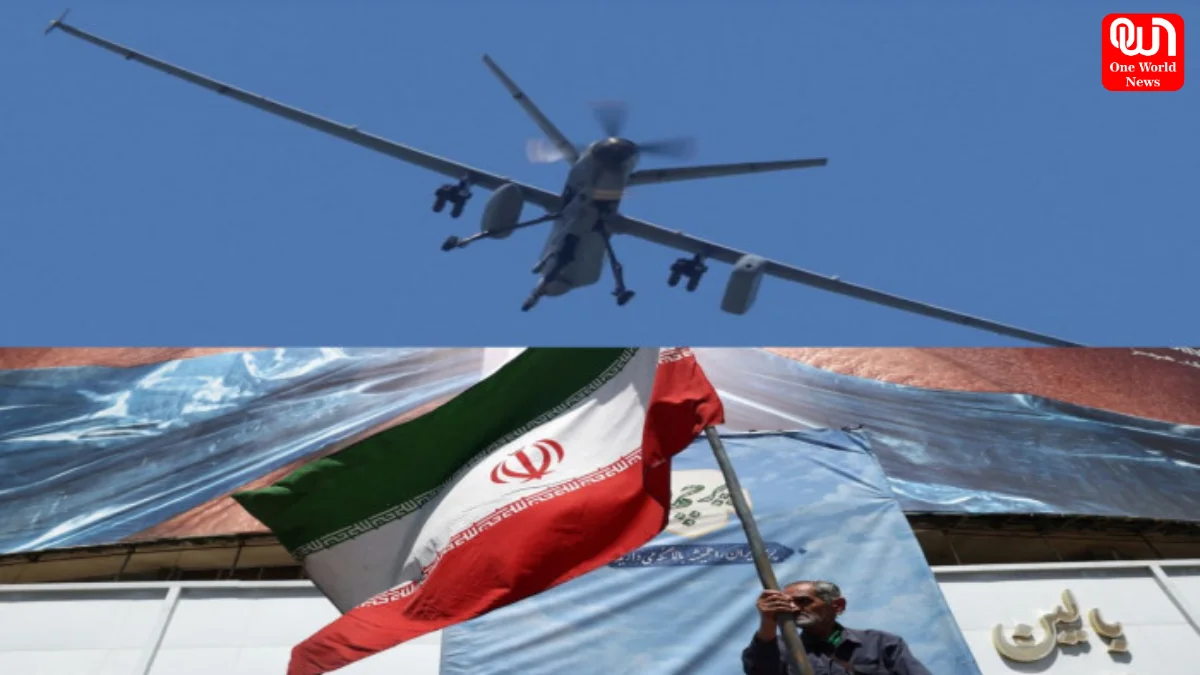
US Launches Strikes On Iranian Radar, Telecom Facilities As Peace Talks Continue
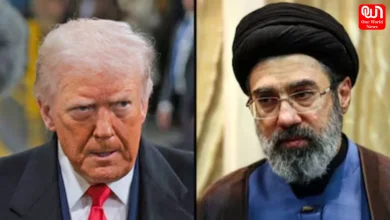
The United States has carried out fresh military strikes targeting Iranian radar systems, drone command centers, and telecom-related facilities even as diplomatic efforts to secure a lasting peace agreement continue. The latest developments have intensified concerns across the Middle East, where tensions remain high despite ongoing negotiations aimed at preventing a wider regional conflict.
According to reports, the strikes were conducted against strategic locations in Iran, including sites in Goruk and Qeshm Island. US military officials described the operation as a defensive response following what they called aggressive actions by Iran, including the reported downing of an American MQ-1 drone operating over international waters.
Why The US Targeted Iranian Radar And Telecom Facilities
US Central Command stated that the operation focused on radar installations, drone control centers, and communication infrastructure believed to support Iranian military activities. Military officials claimed these facilities played a critical role in coordinating surveillance and drone operations in the region.
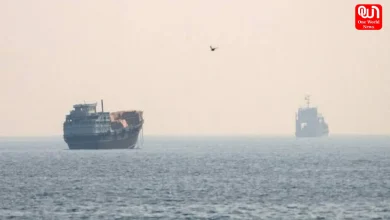
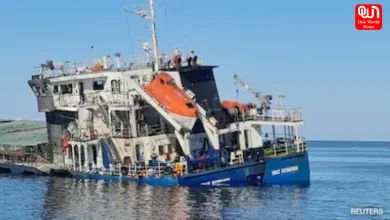
The strikes reportedly destroyed air defense systems, command stations, and attack drones that were considered potential threats to maritime security and US military assets. Washington maintains that the action was necessary to protect American personnel and maintain stability in key shipping routes near the Strait of Hormuz.
Iran Responds With Strong Warnings
Iran has strongly condemned the attacks, describing them as violations of ongoing ceasefire and peace arrangements. Iranian officials warned that any future military action would receive a stronger response.
Reports indicate that Iranian forces launched retaliatory missile and drone operations targeting locations associated with US military activities in the Gulf region. Several regional defense systems were activated as authorities monitored incoming threats.
Iranian military leaders have also emphasized that the country’s defense capabilities remain intact despite repeated attacks on military and communications infrastructure. Satellite assessments and intelligence reports suggest that Iran has continued rebuilding key missile and defense facilities damaged during previous operations.
Peace Talks Continue Despite Military Escalation
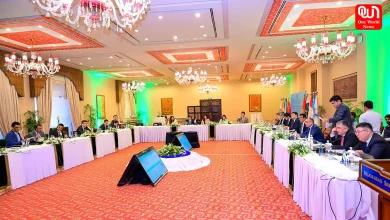
Despite the renewed exchange of attacks, diplomatic channels remain open. Negotiators from both sides are reportedly engaged in discussions aimed at extending and strengthening existing ceasefire arrangements.
The talks are focused on reducing military tensions, ensuring maritime security, and addressing broader regional concerns. International mediators, including Gulf nations, continue to play an active role in encouraging dialogue between Washington and Tehran.
However, analysts believe that every new military incident increases the difficulty of reaching a comprehensive agreement. The latest strikes have once again highlighted the fragile nature of the current peace process.
Impact On Regional Stability And Global Markets
The renewed conflict has sparked concerns among global investors and energy markets. The Strait of Hormuz remains one of the world’s most important oil transit routes, and any disruption could significantly affect energy supplies and prices.
Market observers are closely monitoring developments as fears of prolonged military confrontation continue to influence crude oil prices. Rising tensions also raise concerns about regional security, international trade, and economic stability across the Middle East.
Several countries have urged restraint and called on both nations to prioritize diplomatic solutions over military action. International organizations are also monitoring the situation amid concerns that further escalation could trigger a broader regional crisis.
What Happens Next?
The coming days are expected to be crucial for both military and diplomatic developments. While the United States insists that the strikes were limited and defensive in nature, Iran has indicated that it reserves the right to respond if similar operations continue.
Peace negotiations remain ongoing, but experts warn that sustaining dialogue will require both sides to avoid actions that could undermine trust. As military forces remain on high alert across the region, the world continues to watch closely for signs of either de-escalation or further conflict.
We’re now on WhatsApp. Click to join.
Like this post?
Register at One World News to never miss out on videos, celeb interviews, and best reads.