
Govt Fixes July 2029 Deadline To Link Chenab To Beas Basin: Here’s How The Chenab To Beas Basin Blueprint Looks
The Chenab To Beas Basin project aims to divert surplus Chenab waters through an 8.7-km tunnel, with completion targeted by July 2029.

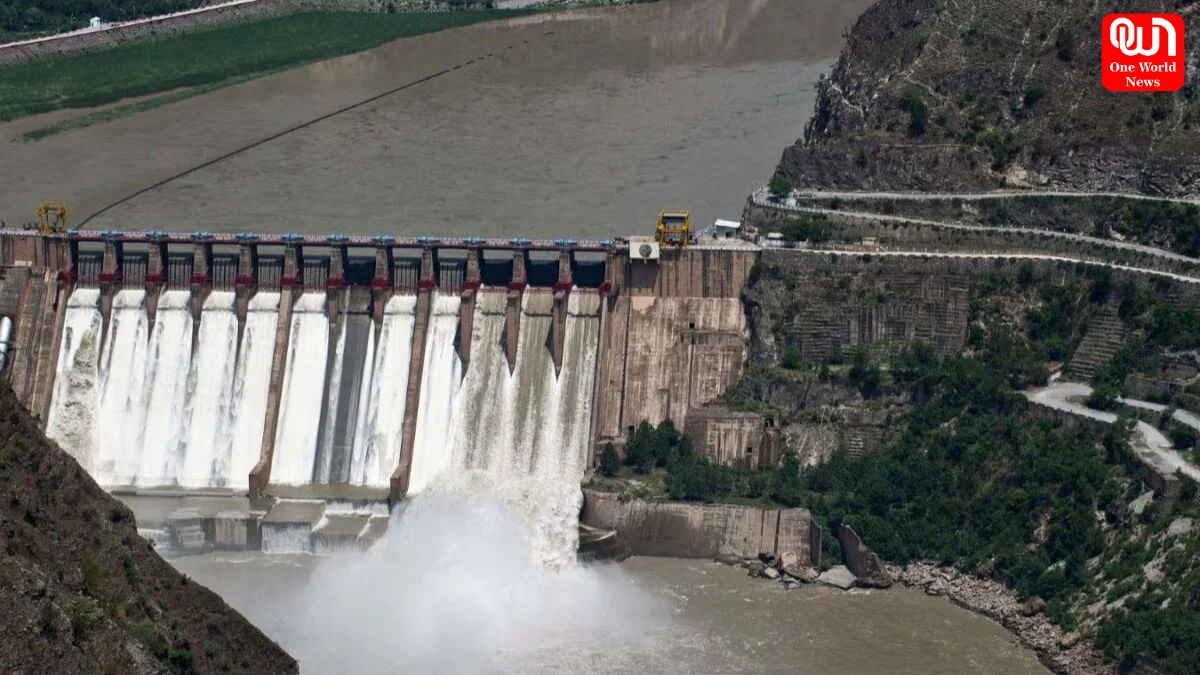
Govt Fixes July 2029 Deadline To Link Chenab To Beas Basin: Here’s How The Chenab To Beas Basin Blueprint Looks
India is moving ahead with one of its most significant river-linking and water management projects in recent years. The government has reportedly set a July 2029 deadline for the completion of the ambitious Chenab To Beas Basin project, which is designed to transfer surplus water from the Chenab river system into the Beas basin. The initiative is expected to strengthen water security, improve irrigation potential, and enhance India’s ability to utilize available water resources more effectively.
The project has gained attention due to its strategic importance and its role in India’s broader efforts to optimize water utilization across river basins. Here’s a detailed look at the blueprint and what the project means for the country.
What Is the Chenab To Beas Basin Project?
The Chenab To Beas Basin project is an inter-basin water transfer initiative aimed at diverting surplus water from the Chenab river system to the Beas river basin. The project is centered around the Chandra River, a tributary of the Chenab, located in Himachal Pradesh’s Lahaul-Spiti region.
Officials believe that transferring excess water from one basin to another can help improve water availability in regions facing shortages while maximizing the use of water resources that would otherwise flow downstream unused.
Read more: Nations Step Up Border Checks As Ebola Outbreak Triggers Global Health Concerns
The 8.7-Kilometre Tunnel at the Heart of the Project
One of the most important components of the Chenab To Beas Basin blueprint is the construction of an 8.7-kilometre-long tunnel. This tunnel will carry water from the Chandra River into the Beas river system through a network of hydraulic structures and engineered channels.
The tunnel is expected to become a major engineering achievement in the Himalayan region. It has been designed to facilitate smooth water transfer while minimizing environmental impact and ensuring long-term operational efficiency.
Barrage Construction and Supporting Infrastructure
Apart from the tunnel, the first phase of the project includes the construction of a 19-metre barrage in the Lahaul Valley. The barrage will regulate water flow and help direct surplus water into the transfer system.
Several additional structures, including water control systems, access roads, monitoring facilities, and supporting hydraulic infrastructure, will also be developed as part of the project. These components are essential for ensuring reliable water transfer throughout the year.
Investment and Project Cost
The Chenab To Beas Basin project is estimated to cost around ₹2,352 crore. It forms a major part of a larger package of infrastructure initiatives linked to the Chenab river system, with combined investments nearing ₹2,600 crore.
The project is expected to generate economic activity in the region through construction work, infrastructure development, and future operational requirements.
Why the Project Is Strategically Important
The importance of the Chenab To Beas Basin project extends beyond water transfer. It is viewed as a strategic effort to maximize the utilization of river waters available to India under existing water-sharing arrangements.
Experts note that improving water storage, transfer capabilities, and hydropower infrastructure can strengthen long-term water security while supporting agriculture, power generation, and regional development.
Read more: 80-Kg Hanging Dummy, Crime Scene Reconstruction: CBI’s Next Move In Twisha Sharma Case
Expected Benefits of the Chenab To Beas Basin Link
The project is expected to offer several benefits once completed:
- Better utilization of surplus water resources.
- Enhanced irrigation opportunities in water-stressed regions.
- Improved water management across river basins.
- Support for hydropower and related infrastructure.
- Economic growth through construction and regional development.
- Greater water security for future generations.
These benefits make the project one of the most closely watched water infrastructure initiatives currently under development.
July 2029 Deadline: What Happens Next?
With the government targeting July 2029 for completion, the coming years will involve extensive engineering work, environmental assessments, construction activities, and infrastructure integration. The project authorities will need to ensure that construction progresses on schedule while meeting safety and environmental standards.
If completed on time, the Chenab To Beas Basin project could become a landmark example of modern river-linking infrastructure in India and play an important role in the country’s future water management strategy.
We’re now on WhatsApp. Click to join.
Like this post?
Register at One World News to never miss out on videos, celeb interviews, and best reads.