Trump Held Attack On Iran: Pakistan’s Strategic Win in Global Diplomacy
Trump Held Attack On Iran after Pakistan request. Explore how Islamabad gains strategic, diplomatic, and economic advantages globally.

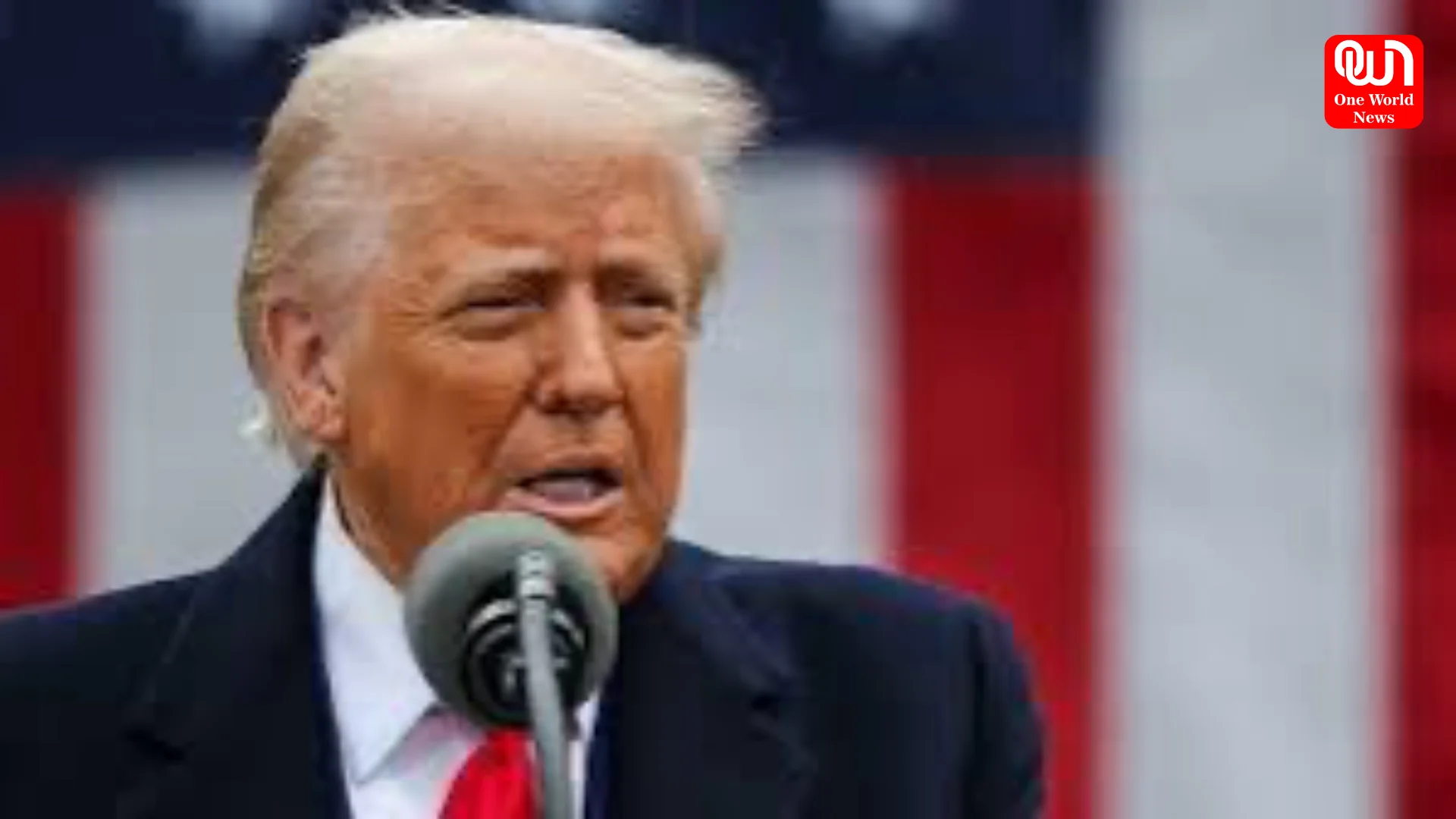
Trump Held Attack On Iran At Pakistan’s Request: How Islamabad Stands To Gain From Its Rising Role in Global Diplomacy and US-Iran Tensions
The recent statement by Donald Trump that he “held attack” on Iran at Pakistan’s request marks a significant geopolitical moment. What initially appears to be a temporary pause in military escalation is, in reality, a strategic shift with deep implications—especially for Pakistan. Islamabad has unexpectedly emerged as a key diplomatic broker in one of the most volatile conflicts of 2026.
A Pause That Changed the Narrative
The United States had been on the brink of intensifying military strikes against Iran amid an ongoing conflict that has already caused widespread disruption across the Middle East. However, just hours before the ceasefire deadline expired, Trump agreed to delay further attacks following direct appeals from Pakistani leadership.
This wasn’t an isolated move. Earlier in April, Trump had already agreed to suspend bombing plans for two weeks after Pakistan urged both sides to allow diplomacy a chance.
The decision reflects a broader shift from immediate military escalation to cautious diplomacy—one in which Pakistan is playing a central role.
Pakistan as a Diplomatic Power Broker
Pakistan’s involvement goes beyond simple mediation. By hosting and facilitating talks between the U.S. and Iran, Islamabad has positioned itself as a crucial intermediary in global conflict resolution. Pakistani leaders, including Prime Minister Shehbaz Sharif and military chief Asim Munir, directly influenced Washington’s decision to delay attacks.
This gives Pakistan three major diplomatic advantages:
- Global Relevance: Pakistan is no longer seen merely as a regional player but as a key actor in international diplomacy.
- Improved US Relations: Acting as a mediator strengthens ties with Washington after years of fluctuating relations.
- Leverage in Muslim World: By advocating restraint against Iran, Pakistan enhances its credibility among Muslim-majority nations.
Read more: Political Roundup: India’s Key Political Developments Shaping the Nation Today
Strategic Gains Beyond Diplomacy
Pakistan’s gains are not limited to prestige. There are tangible strategic and economic benefits tied to this development.
1. Economic Opportunities
The Iran conflict has disrupted global oil markets, particularly through tensions in the Strait of Hormuz—a critical energy route.
If Pakistan succeeds in stabilizing the region, it could benefit from:
- Increased foreign investment
- Energy corridor projects
- Enhanced trade routes connecting Central Asia and the Middle East
2. Security Stability
A full-scale war between the U.S. and Iran would destabilize the entire region, including Pakistan’s western borders. By preventing escalation, Islamabad is indirectly safeguarding its own national security.
3. Regional Influence
Pakistan’s mediation also places it in a stronger position relative to rivals like India and other regional powers. Acting as a peace broker boosts its diplomatic standing in South Asia and beyond.
The Risks Pakistan Faces
However, this diplomatic balancing act is not without risks.
- Strained Iran Relations: Iran has shown skepticism toward U.S.-led negotiations and may view Pakistan’s role cautiously.
- Dependence on US Policy: If Trump reverses course—as he has hinted in past statements—Pakistan’s efforts could collapse overnight.
- Internal Pressure: Managing public opinion while aligning with both the U.S. and Iran is a delicate challenge.
Pakistan must navigate these complexities carefully to maintain its newly elevated status.
Trump’s Strategy: Pressure + Diplomacy
Trump’s decision to “hold attack” is also part of a broader strategy. While extending the ceasefire, the U.S. has continued its naval blockade of Iran, maintaining pressure while allowing negotiations to proceed.
This dual approach—threatening force while entertaining diplomacy—creates space for mediators like Pakistan to operate. However, it also means the situation remains fragile and could escalate at any moment.
A New Role for Islamabad
For decades, Pakistan has often been viewed through the lens of security challenges and regional instability. This moment represents a shift. By successfully convincing a major global power to delay military action, Islamabad has demonstrated its potential as a stabilizing force.
If peace talks progress, Pakistan could cement its role as a long-term diplomatic hub—similar to how countries like Qatar or Turkey have hosted critical negotiations in the past.
rad mkore: Fresh Protests Rock Manipur After Bomb Attack Kills 2 Children, Shutdown Continues
Conclusion
Trump’s decision to hold back an attack on Iran at Pakistan’s request is more than a temporary ceasefire—it’s a geopolitical turning point. Pakistan stands to gain diplomatically, economically, and strategically, provided it can sustain its delicate balancing act.
In a world increasingly defined by conflict and uncertainty, Islamabad’s emergence as a mediator offers a rare example of how middle powers can shape global outcomes. Whether this translates into lasting influence will depend on what happens next in the fragile U.S.-Iran equation.
We’re now on WhatsApp. Click to join.
Like this post?
Register at One World News to never miss out on videos, celeb interviews, and best reads.