Trump Strait: Donald Trump Shares Hormuz Map as Geopolitical Tension Rises Over 7-Day Ceasefire Proposal
Trump Strait controversy grows as Donald Trump’s Truth Social posts spotlight Hormuz, oil transit, Middle East tensions and foreign policy concerns.

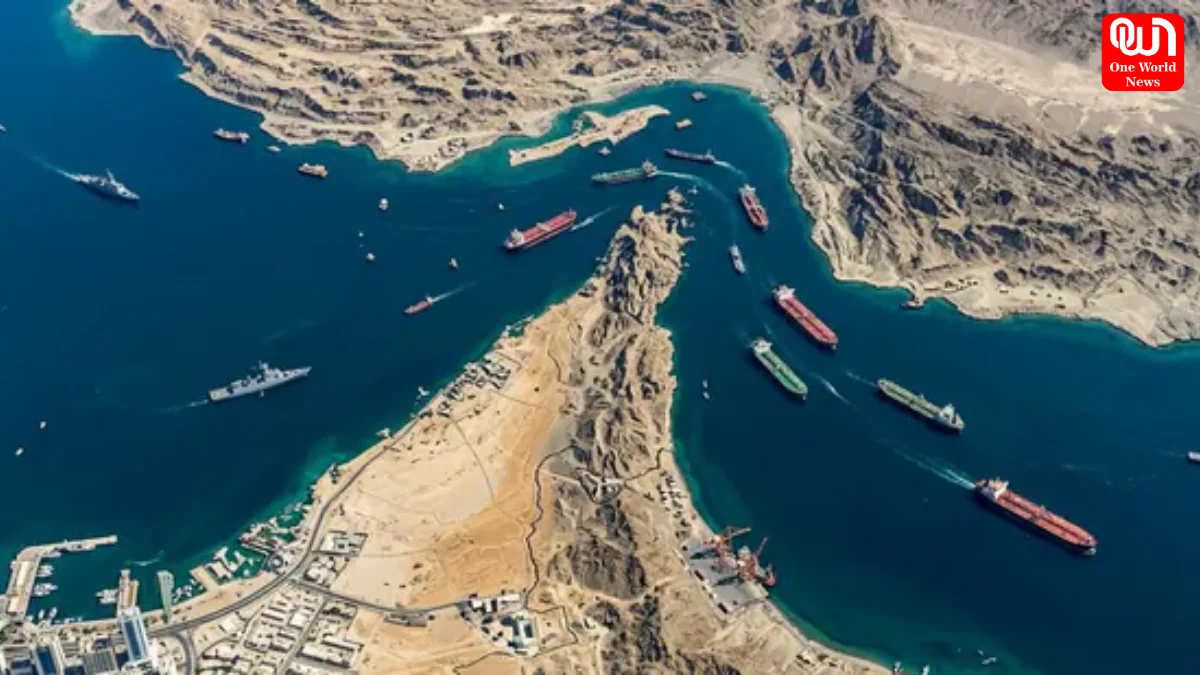
Trump Strait: Donald Trump’s Hormuz Map Sparks International Attention
The phrase “Trump Strait” has attracted international attention following a series of social media posts by US President Donald Trump concerning the strategically important Strait of Hormuz. The controversy comes amid continuing tensions between Washington and Tehran, disrupted maritime activity, and diplomatic efforts to restore safe passage through the vital shipping corridor.
Trump has used Truth Social to make statements about American control over the waterway and even suggested renaming it after himself. These developments have generated discussion about US foreign policy, maritime security, and the economic consequences of prolonged instability in the Middle East.
According to an archived record of Trump’s September 2 post, he suggested changing the name of the Hormuz Strait to “Trump Strait,” presenting the idea in connection with his administration’s position on the waterway.
What Is the Trump Strait Controversy?
The controversy involves Trump’s public statements and maps depicting the Strait of Hormuz as being under American control.
On August 18, 2026, Trump shared a map on Truth Social featuring the words “NEW U.S. Territory.” The White House subsequently shared a screenshot of the post, confirming that the image circulated through official channels.
The messaging attracted attention because the Strait of Hormuz is an internationally significant maritime passage rather than territory that can be unilaterally renamed or claimed through a social media announcement.
The episode also highlights the difference between political messaging and the legal or diplomatic arrangements governing international waterways.
Seven-Day Ceasefire Proposal: What Has Been Reported?
The diplomatic situation became more complicated following Iran’s proposal for a seven-day plan aimed at reopening the Strait of Hormuz and restarting negotiations over a broader peace agreement.
According to CBS News reporting published on September 25, Iranian Foreign Minister Abbas Araghchi said Tehran had presented the proposal to US mediators. Under the proposed arrangement, the waterway would reopen after seven days if certain conditions were fulfilled, while negotiations toward a wider agreement would resume.
The proposal reportedly draws on elements of the 14-point memorandum of understanding signed by Trump and Iran in June.
However, the available reporting does not independently establish that Trump formally rejected this specific seven-day proposal. The distinction matters because a diplomatic proposal, a public response, and an officially confirmed rejection are separate developments.
Strait of Hormuz: Why Is This Waterway So Important?
The Strait of Hormuz connects the Persian Gulf with the Gulf of Oman and the Arabian Sea. Its geographical position makes it a critical route for international energy transportation.
Before the conflict began in February 2026, approximately 125 large commercial vessels typically crossed the waterway daily, according to shipping data cited by Reuters. The route also accounted for roughly 20% of global daily crude oil and liquefied natural gas supply.
Disruptions can affect:
-
International crude oil and natural gas transportation.
-
Shipping schedules and maritime insurance costs.
-
Energy prices and supply-chain planning.
-
Economic stability in importing countries.
-
Regional security and diplomatic relationships.
Consequently, developments involving the Strait of Hormuz receive attention from governments, energy companies, shipping operators, and financial markets worldwide.
Geopolitical Tension and US Foreign Policy
The Trump Strait controversy reflects broader disagreements between the United States and Iran over maritime access, sanctions, security arrangements, and the terms of a potential peace agreement.
Reuters reported in August that Tehran maintained the waterway would remain closed until Washington addressed conditions associated with the interim agreement, including the US naval blockade and sanctions. Trump, meanwhile, publicly maintained that the strait was open.
These conflicting positions demonstrate how maritime security has become closely connected with negotiations over the wider conflict.
For US foreign policy, the situation involves several interconnected considerations: protecting commercial shipping, maintaining regional partnerships, managing military risks, and pursuing diplomatic arrangements that could reduce disruption.
Oil Transit and Global Economic Implications
The uncertainty surrounding the Strait of Hormuz has consequences beyond the immediate region.
When commercial vessels face restricted access or security threats, shipping operators may encounter longer routes, higher insurance premiums, and operational delays. Energy markets can also respond to concerns about the reliability of supply.
Reuters reported on September 22 that only two commodity vessels crossed the strait on Monday, compared with ten the previous day. The figures were preliminary and excluded vessels potentially operating with tracking systems switched off.
Such developments illustrate why restoring predictable oil transit remains an important part of international diplomatic discussions.
For energy-importing economies, sustained disruption can create additional uncertainty around fuel costs, transportation expenses, and inflation.
Truth Social and the Global Political Conversation
Trump’s use of Truth Social has placed the platform at the centre of the discussion surrounding the Hormuz dispute.
His posts have communicated his administration’s position directly to the public while attracting responses from international observers and political officials.
However, social media statements should be distinguished from formal agreements, official territorial decisions, and confirmed diplomatic outcomes.
The “Trump Strait” discussion is therefore not simply about a proposed name change. It also illustrates how political communication, maritime security, and international diplomacy increasingly intersect during geopolitical crises.
What Happens Next?
The next developments will depend on whether Washington and Tehran can establish mutually acceptable conditions for reopening the Strait of Hormuz and restarting negotiations.
The seven-day proposal, maritime security arrangements, sanctions, and the status of the naval blockade remain important issues in the diplomatic conversation.
For now, the Trump Strait controversy underscores the strategic importance of the waterway and the broader consequences of instability in the Middle East.
As negotiations continue, developments involving Donald Trump, Truth Social, and the Strait of Hormuz will remain relevant to discussions about global energy security, international trade, and US foreign policy.
We’re now on WhatsApp. Click to join.
Like this post?
Register at One World News to never miss out on videos, celeb interviews, and best reads.