High Heels Were Invented for Men: History of High Heels, Women and High Heels & Louis XIV Red Heels
Explore the history of high heels, heels invented for men, women and high heels, Louis XIV red heels, and the evolution of high heels in fashion.

High Heels Were Invented for Men: History of High Heels, Why Did Men Wear Heels, Women and High Heels, Evolution of High Heels Fashion History & Louis XIV Red Heels
High heels are now one of the most recognizable symbols of women’s fashion, but their story began very differently. The history of high heels takes us back centuries, when elevated footwear was connected with horseback riding, military function, social status, and male power. The fascinating fact is that heels invented for men were not originally designed to look glamorous or elegant. They served a practical purpose before gradually becoming a major fashion statement.
The Surprising History of High Heels
The earliest known examples of heeled footwear are associated with Persian cavalry. By around the 10th century, Persian soldiers used heels to help keep their feet secure in stirrups while riding horses. A raised heel gave riders a better grip and helped them maintain stability while standing in the stirrups and using weapons.
This answers the popular question, why did men wear heels? In their earliest documented use, the reason was primarily practical rather than fashionable. The heel helped horseback warriors control their position and offered greater stability during battle.
Read more: Onam Sadya 2026: Traditional Kerala Recipes To Try For the Festive Feast
Over time, this functional footwear travelled beyond Persia and eventually attracted attention in Europe. What began as military equipment gradually developed into a symbol of power, masculinity, wealth, and social position.
From Military Gear To A Symbol Of Power
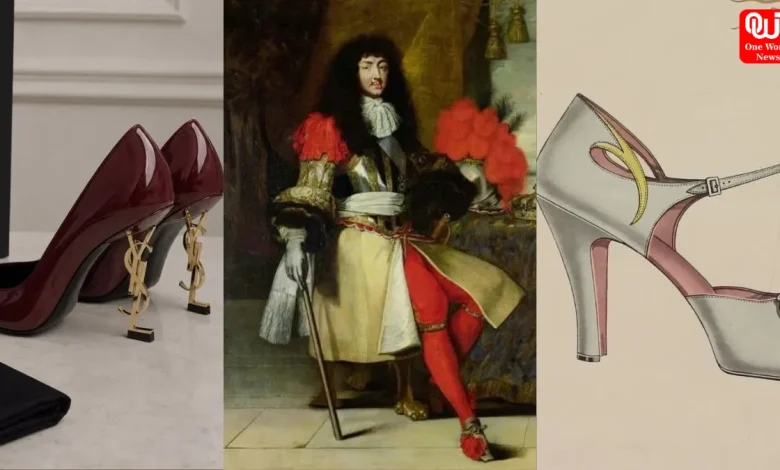
As heeled shoes became popular among European aristocrats, their purpose started changing. Men at royal courts began wearing elaborate shoes with raised heels to appear taller and more commanding. Fashion became a way of displaying wealth because expensive and impractical clothing could demonstrate that a person did not need to perform physical labour.
One of the most famous examples was King Louis XIV of France. His footwear became an important part of his royal image. The famous Louis XIV red heels represented authority and elite status, with red footwear associated with his court and aristocracy.
At this stage, heels were certainly not considered exclusively feminine. Men and women both experimented with elevated footwear in different forms and cultures.
When Women And High Heels Became Fashion Partners
Women had already been wearing elevated shoes in Europe before heels became primarily associated with femininity. During the Renaissance, Venetian women wore chopines, platform-style shoes that could be extremely high. These shoes helped elevate the wearer above muddy streets and also communicated wealth and social status.
The relationship between women and high heels became stronger as fashion changed. Shoes increasingly moved away from purely practical purposes and became tools for creating a particular silhouette. Height, posture, elegance, and the appearance of longer legs became important elements of women’s fashion.
By the 18th century, men gradually moved toward simpler clothing, while elaborate fashion became increasingly associated with women. This helped transform the cultural meaning of the heel from a symbol worn by both genders into an accessory strongly connected with femininity.
The Evolution Of High Heels Through Modern Fashion
The evolution of high heels accelerated during the 19th and 20th centuries. Shoe designers experimented with different shapes, materials, heel heights, and construction techniques. Heels became connected with evening wear, formal clothing, glamour, and celebrity culture.
The development of the stiletto in the 1950s was especially important. Its thin, sharply shaped heel created a dramatic silhouette and became an iconic part of modern women’s footwear. Hollywood celebrities and fashion personalities helped turn high heels into symbols of sophistication and glamour.
From pumps and platforms to stilettos and block heels, designers continued reinventing the basic concept. High heels could be elegant, dramatic, playful, professional, or rebellious depending on the decade and styling.
High Heels Fashion History Is Still Evolving
The fascinating part of high heels fashion history is that trends rarely remain fixed. The meaning of heels has changed repeatedly. They began as functional riding footwear for men, became symbols of aristocratic power, and eventually developed into one of the strongest associations with women’s fashion.
Today, the idea that heels belong exclusively to women is also changing. Contemporary fashion has increasingly challenged traditional gender boundaries, and men once again wear heels as part of personal style, performance, and designer fashion. This creates an interesting return to the footwear’s earlier history.
Why Women Ultimately Took Over The Heel Trend
So, how did women take over a trend that was once strongly connected with men? The answer lies in changing social ideas about clothing. As men’s fashion became more restrained, women’s fashion retained more decorative and expressive elements. Heels became part of that transformation.
Read more: Who Is Komal Rani Swarnkar? Meet Govinda’s Rumoured Girlfriend
Today, high heels can represent confidence, glamour, elegance, individuality, or simply personal preference. Their story proves that fashion is never permanently assigned to one gender.
The next time you see a pair of stilettos, platforms, or classic pumps, remember that their journey is much older and more surprising than modern fashion suggests. From Persian horseback riders and European aristocrats to Hollywood stars and contemporary runways, the history of high heels is really a story about how clothing changes meaning as society changes.
We’re now on WhatsApp. Click to join.
Like this post?
Register at One World News to never miss out on videos, celeb interviews, and best reads.