5 Modern Indian Handlooms Replacing Luxury Foreign Fabrics in 2026 | Indian Handlooms
Discover how Indian Handlooms like Banarasi, Chanderi, Jamdani, Ikat and Kanjivaram are redefining luxury fashion trends in 2026.

5 Modern Indian Handlooms Replacing Luxury Foreign Fabrics in 2026
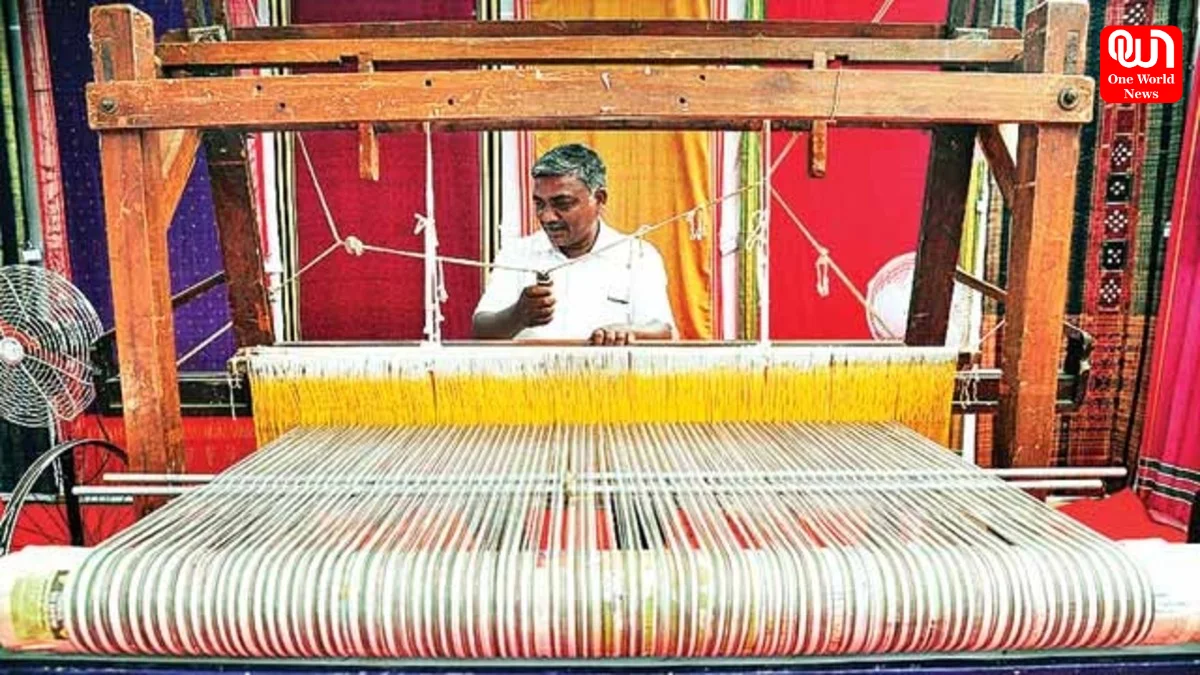
Fashion in 2026 is moving beyond simply chasing international luxury labels and imported fabrics. Today, designers and fashion-conscious consumers are rediscovering the beauty, craftsmanship and individuality of Indian Handlooms. Fabrics once associated mainly with traditional sarees are now appearing in contemporary dresses, jackets, co-ord sets, skirts, shirts and fusion outfits. Recent fashion coverage has highlighted the revival of handwoven textiles as part of a broader interest in understated luxury, sustainability and heritage craftsmanship.
This does not mean foreign luxury fabrics have disappeared. Instead, Indian textiles are becoming strong alternatives for people who want exclusivity with a distinctive cultural identity. Here are five Indian handlooms making a major impression in 2026.
1. Chanderi: Lightweight Luxury for Modern Wardrobes
Chanderi is one of the most versatile handloom fabrics making waves in contemporary fashion. Traditionally produced in Chanderi, Madhya Pradesh, the fabric is appreciated for its lightweight texture, subtle sheen and elegant appearance. Its combination of delicacy and sophistication makes it suitable for both everyday and occasion wear.
In 2026, designers are moving beyond conventional Chanderi sarees and creating minimalist kurtas, kaftans, dresses, modern sarees and Indo-Western outfits. Its understated appearance fits perfectly with the growing preference for quiet luxury, where quality and craftsmanship matter more than excessive decoration.
2. Jamdani: Intricate Craft with a Contemporary Appeal
Jamdani is another Indian textile receiving renewed attention in 2026. Famous for delicate motifs that appear to float across lightweight fabric, Jamdani has historically been associated with refined craftsmanship and luxury.
Modern designers are adapting this traditional weave into more wearable silhouettes, including tunics, dupattas, contemporary sarees and fusion separates. Its light construction also makes it particularly appealing for warm Indian weather. Current fashion reporting lists Jamdani among the handloom fabrics experiencing a strong revival this year.
For consumers looking for something more distinctive than conventional imported luxury materials, Jamdani offers detailed craftsmanship with an unmistakably Indian character.
3. Ikat: Bold Patterns for the New Generation
Ikat brings a completely different personality to the world of Indian Handlooms. Known for its distinctive geometric patterns and blurred colour transitions, Ikat requires careful dyeing of yarns before weaving. Odisha and Telangana are particularly well known for their Ikat traditions.
Its graphic appearance makes it particularly attractive to younger fashion buyers. In 2026, Ikat is being used for jackets, shirts, dresses, skirts and contemporary accessories instead of being restricted to traditional clothing.
The individuality of each weave is one of its biggest attractions. Instead of looking like mass-produced luxury fabric, Ikat can give an outfit a handcrafted and artistic quality.
4. Banarasi Silk: From Bridal Classic to Modern Luxury
Banarasi silk has long represented grandeur in Indian fashion. Originating from Varanasi, it is recognised for intricate zari and brocade work. Traditionally associated with wedding sarees and festive clothing, Banarasi is now being redesigned for modern wardrobes.
Read move: Guru Randhawa Fine Shyt Video Sparks Debate Over Objectification Of Women
Designers are experimenting with lighter constructions, fresh colour palettes, unconventional drapes, jackets, separates and contemporary silhouettes. Vogue India reported in 2026 that designers are taking Banarasi beyond the traditional sari through new constructions, styling approaches and lighter designs.
This transformation makes Banarasi particularly relevant to the modern luxury market. It combines the richness expected from premium fabric with centuries of Indian weaving expertise.
5. Kanjivaram: Heritage Silk with Timeless Luxury
Kanjivaram, also known as Kanchipuram silk, remains one of India’s most celebrated luxury handlooms. Known for its rich silk texture, strong construction, vibrant colours and traditional temple-inspired motifs, it has traditionally been a favourite for weddings and important celebrations.
In 2026, the appeal of Kanjivaram is expanding through contemporary styling. Designers and consumers are pairing traditional silk with modern blouses, minimalist jewellery and unconventional silhouettes. The result is a balance between heritage and modern sophistication.
Its durability and craftsmanship also give Kanjivaram an advantage in a fashion environment increasingly interested in pieces that can remain relevant for years.
Why Indian Handlooms Are Becoming the New Luxury
The renewed popularity of Indian Handlooms reflects a larger change in how consumers understand luxury. Exclusivity is no longer only about international brands or expensive imported materials. Craftsmanship, authenticity, cultural heritage and responsible consumption are becoming important parts of premium fashion.
The Government of India and NIFT’s 2026 “Vishwa Sutra” initiative showcased 30 Indian weaves through contemporary global design influences, demonstrating how traditional textiles can be presented for international audiences without losing their identity.
Handlooms also offer something mass-produced fabrics cannot easily reproduce: the human story behind every weave. Variations in texture, motifs and craftsmanship make individual pieces feel personal rather than standardized.
Read more: Charlie Chauhan Wedding: Actress Ties the Knot With Ramandeep Singh in Intimate Sikh Ceremony
The Future of Indian Handloom Fashion
The rise of Chanderi, Jamdani, Ikat, Banarasi and Kanjivaram shows that Indian textiles are no longer limited to conventional ethnic fashion. They are becoming part of modern luxury wardrobes through innovative silhouettes, styling and design.
As fashion continues to embrace craftsmanship, sustainability and individuality in 2026, Indian Handlooms have an opportunity to move from being viewed simply as traditional fabrics to being recognised as sophisticated, contemporary luxury materials. Their greatest strength may be that they offer both heritage and modern style in the same piece.
We’re now on WhatsApp. Click to join.
Like this post?
Register at One World News to never miss out on videos, celeb interviews, and best reads.