Thick Smog Blankets Delhi-NCR On Morning After Diwali, Capital Chokes As AQI Nears 400
Delhi AQI Today nears 400 after Diwali as Delhi smog, firecracker pollution and PM2.5 worsen air quality across NCR.

Delhi AQI Today: Thick Delhi Smog Blankets Delhi-NCR After Diwali as Delhi Air Pollution Worsens, ITO AQI Crosses 400, CPCB Reports Severe Air Quality Amid Firecracker Pollution, PM2.5 and Stubble Burning Concerns Under GRAP Stage 3
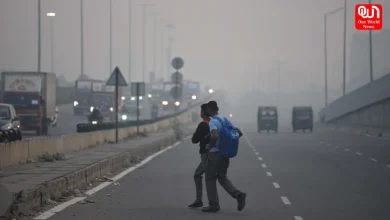
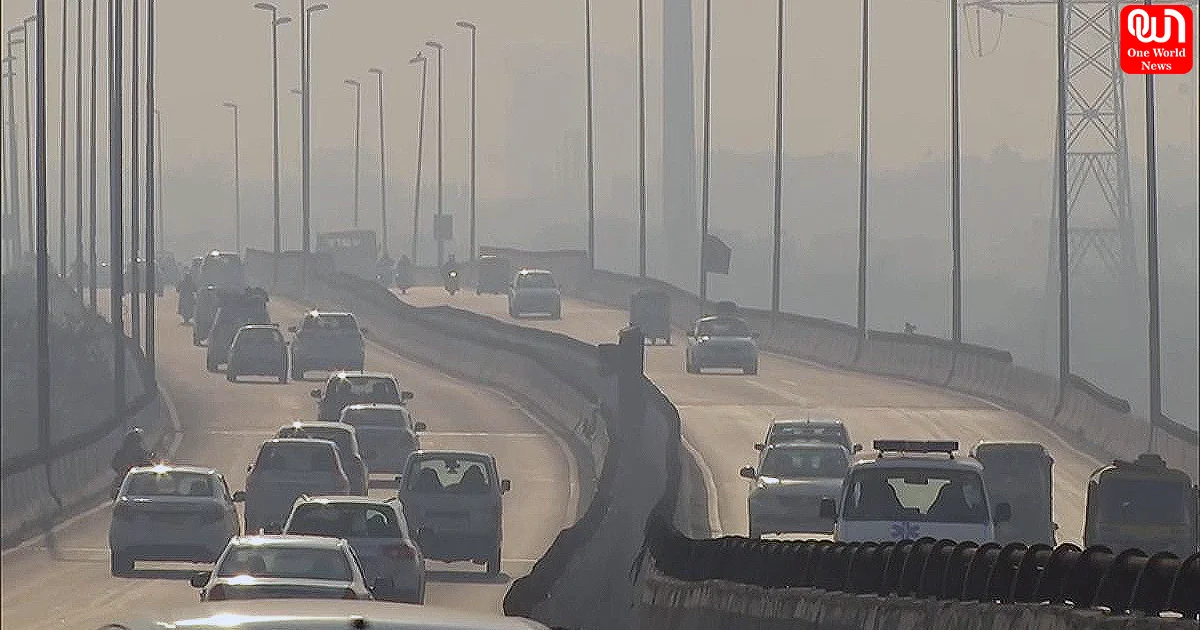
Delhi-NCR woke up to a thick blanket of smog on Monday, November 9, 2026, a day after Diwali celebrations, as air pollution levels continued to deteriorate across the national capital. Several neighbourhoods witnessed hazy conditions, reduced visibility and a strong presence of smoke in the atmosphere, raising fresh concerns about public health.
The situation became particularly worrying as several monitoring stations recorded Air Quality Index (AQI) readings above 400, placing them in the severe category. According to the Central Pollution Control Board (CPCB), Delhi’s overall AQI stood at 368 at around 7 am, indicating very poor air quality. However, individual monitoring stations reported significantly higher pollution levels.
The deteriorating conditions once again highlighted the challenges Delhi faces during the winter pollution season, when firecracker emissions, vehicle exhaust, construction dust and other pollutants combine to affect the city’s air.
Delhi AQI Today: Several Areas Record Severe Pollution
The latest CPCB monitoring figures showed that pollution levels varied considerably across different parts of Delhi. While the citywide average remained in the very poor category, multiple locations entered the severe category.
Burari Crossing recorded an AQI of 441, while Vivek Vihar registered 437. Delhi Technological University (DTU) reported 434, followed by North Campus and Jahangirpuri, both recording 433.
Other locations also experienced alarming pollution levels.
- Burari Crossing: 441
- Vivek Vihar: 437
- DTU: 434
- North Campus: 433
- Jahangirpuri: 433
- Rohini: 430
- ITO: Around 406 in an early-morning reading
- Anand Vihar: 335
- RK Puram: 364
- Lodhi Road: 370
The ITO AQI crossing 400 was particularly concerning because the area is among the capital’s busy traffic and commercial locations.
These readings demonstrate how local pollution levels can become severe even when the overall citywide average remains in the very poor category.
Firecracker Pollution Adds to Delhi’s Existing Air Quality Crisis
Firecracker pollution emerged as one of the major contributors to the post-Diwali deterioration in Delhi’s air quality. Despite restrictions on the use of conventional firecrackers, fireworks were reported in several neighbourhoods during the celebrations.
The Supreme Court had permitted certified green firecrackers during specific time windows on November 7 and 8. However, reports of fireworks continuing in different parts of Delhi raised concerns about compliance with the restrictions.
Firecrackers release smoke, fine particles and several harmful gases into the atmosphere. These emissions increase the concentration of particulate matter, particularly PM2.5, which consists of extremely fine particles capable of entering deep into the lungs.
The sudden addition of firecracker emissions to Delhi’s already polluted atmosphere further increased the pressure on air quality.
PM2.5, Stubble Burning and Weather Conditions Behind Delhi Pollution
Although Diwali fireworks contributed significantly to the pollution spike, they were not the only reason behind the worsening conditions.
Delhi air pollution is influenced by several sources, including vehicular emissions, industrial activities, construction dust, road dust and agricultural residue burning in neighbouring states.
Stubble burning remains a seasonal concern during October and November, when farmers in parts of Punjab and Haryana prepare their fields for the next agricultural cycle. Smoke from these fires can travel towards Delhi-NCR under favourable wind conditions, adding to the existing pollution burden.
Weather conditions also play an important role. Lower wind speeds, cooler temperatures and atmospheric conditions that restrict the movement of pollutants can cause smoke and particulate matter to remain closer to the ground.
As a result, pollution accumulates over residential areas, roads and commercial locations, creating the thick layer of Delhi smog frequently witnessed during winter mornings.
GRAP Stage 3 Restrictions Already in Force Across Delhi-NCR
Authorities had already implemented GRAP Stage 3 across Delhi-NCR on November 6, 2026, ahead of Diwali, amid concerns about worsening air quality.
The Graded Response Action Plan (GRAP) is an emergency framework designed to control pollution through progressively stricter measures.
Under Stage 3 restrictions, authorities can enforce additional measures, including restrictions on certain vehicle categories, a halt to eligible construction and demolition activities, and hybrid learning arrangements for younger school students.
The Commission for Air Quality Management (CAQM) coordinates pollution-control measures with relevant authorities across Delhi and neighbouring regions.
However, the continued deterioration in air quality indicates that controlling pollution requires coordinated action rather than relying on restrictions introduced during the festive season alone.
Read more: CBSE Releases 2027 Board Exam Date Sheet; Exams Begin 16th February
Health Advisory: Residents Urged to Take Precautions
With Delhi’s AQI approaching 400 and several locations entering the severe category, residents are advised to limit unnecessary outdoor activities.
Children, older adults and people with asthma or other respiratory conditions should take additional precautions. Prolonged outdoor exercise should be avoided during periods of heavy pollution.
Residents can also consider the following precautions:
- Avoid outdoor workouts during high-pollution hours.
- Wear a well-fitted N95 mask when outdoor exposure is unavoidable.
- Keep windows closed when outdoor pollution levels are particularly high.
- Use an appropriately sized air purifier indoors if available.
- Follow official CPCB air-quality updates.
- Seek medical advice if experiencing persistent breathing difficulties, chest discomfort or severe coughing.
Delhi-NCR Faces Another Challenging Winter Pollution Season
The post-Diwali pollution spike has once again brought Delhi’s air quality crisis into focus. With the overall AQI remaining in the very poor category and several monitoring stations reporting severe pollution, residents face another difficult period as winter approaches.
While GRAP Stage 3 restrictions are already in force, effective pollution control will require stronger enforcement, reduced emissions, better dust management and coordinated efforts to address stubble burning.
The coming days will be important in determining whether Delhi’s air quality improves or deteriorates further. For now, the thick smog covering the capital serves as a reminder that cleaner air must remain a priority beyond the festive season.
We’re now on WhatsApp. Click to join.
Like this post?
Register at One World News to never miss out on videos, celeb interviews, and best reads