Jamia Millia Islamia Protest: Students Given 30 Minutes to Vacate Site
Jamia Millia Islamia protest intensifies as students demand union elections. Registrar warns of legal action amid hunger strike and NSUI agitation.

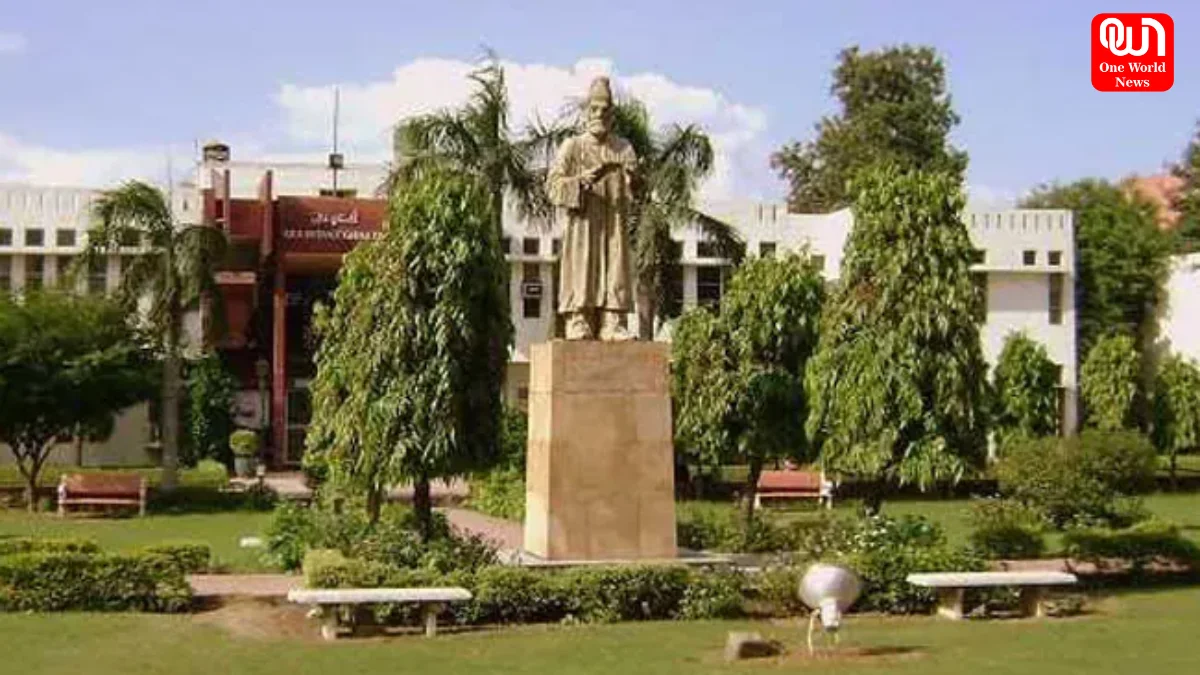
Jamia Millia Islamia Protest: Registrar Warns of Legal Action as Students Demand Union Elections, End to Disciplinary Action and Resolution of Hunger Strike
The ongoing Jamia Millia Islamia protest intensified on Monday, October 26, 2026, as the university administration warned protesting students to vacate the demonstration site within 30 minutes after 9 am or face possible legal action. The warning came amid a prolonged agitation demanding the restoration of students’ union elections, the withdrawal of disciplinary notices and accountability for alleged misconduct by security personnel.
The standoff at Jamia Millia Islamia (JMI), New Delhi, has continued despite discussions between student representatives and university officials. Although the administration announced concessions on several demands, some protesters questioned whether the assurances provided a clear timeline for restoring elected student representation. The latest developments have highlighted growing tensions between students and the university administration.
Why Are Jamia Millia Islamia Students Protesting?
The students protest began on October 12, 2026, with demands centred on restoring the Jamia Millia Islamia Students’ Union (JMISU). Student union elections have not been held at the university since 2006, and protesters are seeking a clear roadmap for bringing back an elected representative body.
The agitation gained momentum as students raised concerns about disciplinary action taken against participants and the handling of demonstrations on campus. They also demanded accountability for university officials and security personnel over alleged incidents during the protest.
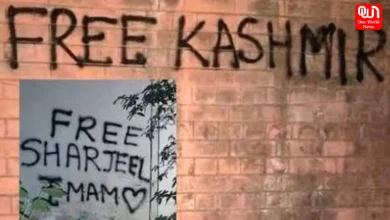
Read more: Jamia Millia Islamia Students, Guards Clash Amid ‘Free Kashmir’ Graffiti Row, Classes Moved Online
The demonstrators have argued that a students’ union would provide a formal platform for raising academic concerns, representing student interests and communicating grievances to the university authorities.
Registrar Issues 30-Minute Vacate Warning
According to reports published on October 26, the university Registrar warned that students would receive 30 minutes after 9 am to vacate the protest site. The administration indicated that failure to comply with the direction could lead to legal action.
The warning followed disagreements over a withdrawal notice signed late Sunday night. While the university maintained that steps had been taken to address the protesters’ concerns, some students argued that the agreement did not fully resolve their central demands.
The Jamia administration notice became a significant point of contention, as protesters sought written commitments rather than assurances they considered incomplete. The dispute also reflected differences among students over whether the proposed agreement was sufficient to end the agitation.
University Agrees to Hold Students’ Union Elections
In a significant development on October 26, the university administration issued an order stating that students’ union elections would be held within 15 days of the approval of the union constitution.
The announcement addressed one of the protesters’ primary demands. However, the order did not specify when the constitution would receive approval, leaving the final election date uncertain.
For students seeking the restoration of the JMISU, this distinction remains important. Although the administration has committed to holding elections after the constitution is approved, protesters have stressed the need for a definite and transparent timeline.
The university also agreed to revoke suspension and show-cause notices issued to students during the protest. Additionally, it announced that a committee would be constituted to investigate the conduct of security personnel during the agitation.
These measures represented important concessions, although the university directed that the protest be called off immediately.
Hunger Strike Continues Amid Uncertainty
The hunger strike has been one of the most prominent features of the agitation. Reports on Monday indicated that two students, including one affiliated with the National Students’ Union of India (NSUI), continued their hunger strike despite the administration’s warning and proposed agreement.
The protesters have maintained that their demands require clear written commitments. Their concerns include the restoration of the students’ union, protection against disciplinary consequences and an inquiry into the alleged treatment of demonstrators.
An extended hunger strike can pose serious health risks, making medical supervision and timely intervention particularly important. The continuing disagreement has therefore raised concerns about both campus stability and the well-being of participating students.
NSUI and Other Student Groups Raise Concerns
The NSUI, the student wing of the Indian National Congress, has been among the organisations involved in the broader agitation. Student groups have supported demands for elected representation and questioned disciplinary measures against protesters.
The dispute has also drawn attention to campus security arrangements and the university’s approach to demonstrations. University officials have maintained that protests should take place at designated locations and that normal academic and administrative activities must be protected.
Meanwhile, student representatives have argued that their concerns should be resolved through meaningful dialogue and clearly documented decisions.
Online Classes and Campus Disruptions
The university shifted classes to online mode on October 24, citing safety and security concerns. Campus restrictions, including the closure of gates and libraries, added to the disruption faced by students.
The decision followed a confrontation between university staff and protesters at the demonstration site. Both sides presented differing accounts of the incident, with students alleging the use of force and the administration raising concerns about disruptions and the conduct of demonstrators.
These developments have affected the normal functioning of the campus, making a negotiated resolution increasingly important.
What Happens Next?
The immediate focus remains on implementing the university’s written commitments, clarifying the approval timeline for the students’ union constitution and determining when elections can take place.
While the administration has offered concessions on elections, disciplinary notices and an inquiry into security personnel, disagreements over the adequacy of these measures have complicated efforts to end the protest.
The Jamia Millia Islamia protest highlights the importance of transparent communication between universities and students. Whether the latest agreement leads to a lasting resolution will depend on how promptly the administration implements its commitments and whether student representatives consider those steps sufficient to restore confidence.
We’re now on WhatsApp. Click to join.
Like this post?
Register at One World News to never miss out on videos, celeb interviews, and best reads.