Tata Sons Chairman Reappointment: Tata Trusts, N Chandrasekaran & AoA Dispute Explained
ata Sons chairman reappointment faces a Tata Trusts challenge. Know N Chandrasekaran, AoA, Cyrus Mistry, Board vote and governance issues.

Tata Sons Chairman Reappointment Sparks Governance Dispute
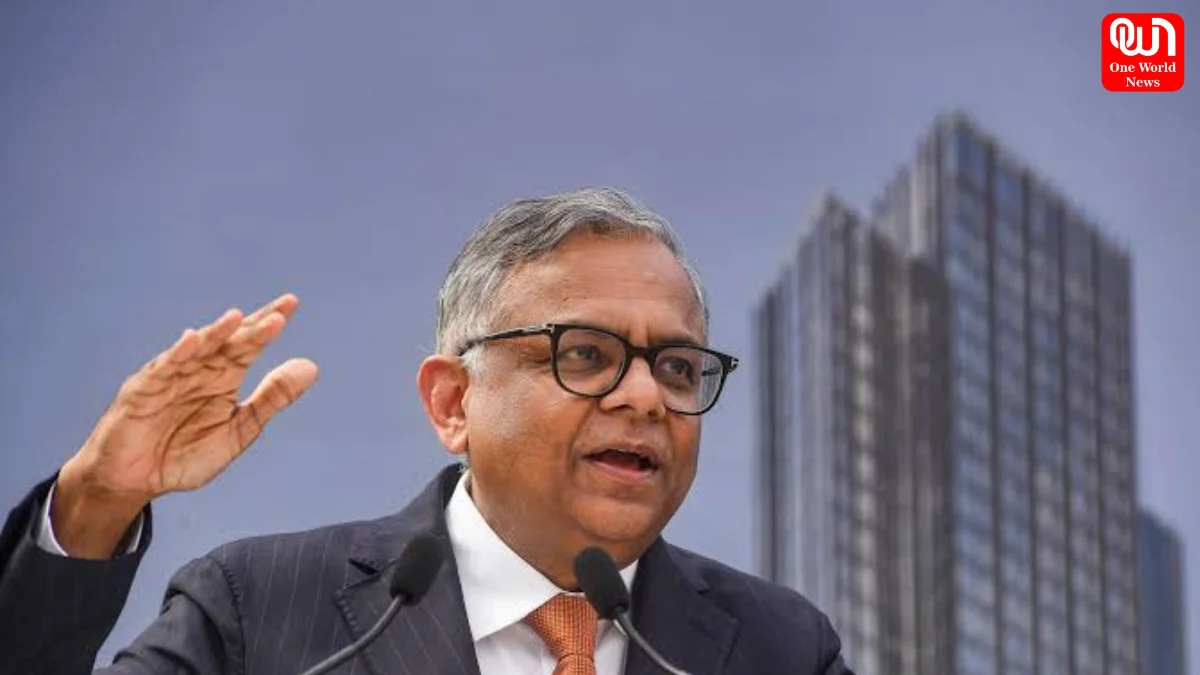
The Tata Sons chairman reappointment of N Chandrasekaran has triggered a major corporate governance dispute between Tata Sons and Tata Trusts. On September 17, 2026, the Tata Sons board voted to reappoint Chandrasekaran as chairman for another five-year term. Four directors voted in favour, while Tata Trusts Chairman Noel Tata voted against the resolution. Another Tata Trusts nominee, Venu Srinivasan, supported the reappointment.
The dispute, however, is not simply about the number of directors who supported the decision. Tata Trusts argues that the company’s Articles of Association (AoA) contain a separate requirement concerning the affirmative support of its nominee directors. According to the Trusts, that condition was not satisfied, making the resolution legally ineffective.
What Tata Trusts Says About the AoA
The central issue is the interpretation of Tata Sons’ Articles of Association. Tata Trusts says the AoA requires affirmative support from a majority of the directors nominated by the Trusts for specified board decisions.
There are two Tata Trusts-nominated directors on the Tata Sons board. Since Noel Tata opposed the resolution and Venu Srinivasan supported it, the Trusts’ position is that the required majority among its two nominees was not achieved. Tata Trusts therefore stated that the condition had failed and, consequently, the resolution had also failed.
This interpretation differs from relying solely on the overall Board vote. Tata Trusts maintains that a 4–1 board vote cannot override a separate protective condition contained in the AoA.
Why the Casting Vote Is Being Debated
Another important part of the dispute concerns the chairman’s casting vote. Tata Trusts argues that a casting vote can operate when there is an equality of votes at the overall board level. It rejects the idea that such a vote can overcome the separate requirement relating to Trust-nominated directors.
The Trusts also argue that there was no overall board deadlock requiring intervention through a casting vote. From their stated position, the relevant AoA condition simply was not fulfilled.
This makes the disagreement fundamentally about how the company’s constitutional documents should be interpreted rather than merely about whether Chandrasekaran received more votes than he opposed.
Tata Trusts and the Cyrus Mistry Connection
The current dispute has also brought the earlier Cyrus Mistry litigation back into focus. Tata Trusts has referred to the Supreme Court proceedings surrounding Mistry’s removal as an important precedent in the present argument.
According to the Trusts, Tata Sons had previously defended the affirmative voting rights of Trust-nominated directors under provisions including Articles 104B and 121. The Supreme Court subsequently upheld Tata Sons’ position in the litigation arising from Mistry’s removal. Tata Trusts now argues that Tata Sons cannot rely on those protections in one context while taking a different position when the same provisions become relevant to Chandrasekaran’s reappointment.
The reference to the Mistry case therefore adds another layer to the current Corporate governance debate.
Why N Chandrasekaran’s Reappointment Matters
Chandrasekaran has served as Tata Sons chairman since 2017, and his current tenure is scheduled to end in February 2027. The latest board decision was intended to provide continuity by extending his tenure for another five years. However, Tata Trusts had previously stated that Chandrasekaran’s August 12 decision not to seek reappointment had been accepted and that the company should begin the process of selecting a successor.
The subsequent decision to revisit his continuation has therefore created a disagreement over both succession and governance procedures.
Tata Trusts has described the September 17 resolution as having no legal effect and has called it “void ab initio.” That is the Trusts’ legal position; the broader validity of the resolution remains a matter of dispute.
Corporate Governance at the Centre of the Conflict
The controversy highlights the unusual governance structure of Tata Sons, where Tata Trusts hold approximately two-thirds of the company’s shareholding and also have specific rights under its AoA.
The current disagreement shows why Articles of Association can become particularly significant in companies with shareholder protections and nominated board representation. A dispute over one provision can affect leadership appointments, board authority and the relationship between shareholders and directors.
The issue is also developing alongside broader questions about Tata Sons’ regulatory and corporate structure. Therefore, the Tata Sons chairman reappointment dispute could have implications beyond Chandrasekaran’s tenure, particularly for discussions surrounding governance, shareholder rights and the company’s future decision-making framework.
What Happens Next?
For now, Tata Trusts and the Tata Sons board appear to have different interpretations of the relevant AoA provisions. Tata Trusts has formally challenged the validity of the resolution, while the board’s decision remains the basis for Chandrasekaran’s proposed continuation.
The next phase could involve further legal and corporate discussions over the interpretation of the Articles of Association, the role of Trust-nominated directors and the scope of a chairman’s casting vote. As the issue develops, the N Chandrasekaran reappointment dispute is likely to remain closely watched as an important case study in Indian corporate governance.
We’re now on WhatsApp. Click to join.
Like this post?
Register at One World News to never miss out on videos, celeb interviews, and best reads.