IIT Bombay Student Death: Sahil Wakode Protest, Student Charter, Professor Doolla, Caste Discrimination & Academic Malpractice
IIT Bombay student death sparks protest as Sahil Wakode case raises questions on caste discrimination, academic malpractice and student accountability.

IIT Bombay Student Death: Sahil Wakode Protest Escalates as Director Signs 18-Point Student Charter Over Professor Doolla, Caste Discrimination, Student Suicide and Academic Malpractice
The IIT Bombay student death of Sahil Wakode has led to three days of protests on the IIT Bombay campus, with students demanding an independent investigation, institutional accountability and reforms in academic and student-welfare systems. On Sunday night, September 20, IIT Bombay Director Prof. Shireesh Kedare signed an 18-point student charter submitted by protesting students following a lengthy meeting with the administration.
The development follows the death by suicide of Sahil Wakode, a second-year BTech student in the Energy Science and Engineering department. His death occurred hours after an examination-related incident involving an allegation that he had a mobile phone during the examination. IIT Bombay stated that he had allegedly uploaded the question paper to ChatGPT, while also maintaining that no disciplinary action had been initiated against him. Students and his family have raised different concerns about the circumstances surrounding the incident.
What Led to the IIT Bombay Protest?
The IIT Bombay protest began after Sahil’s death and quickly developed into demands for transparency and accountability. Students called for an independent investigation into the events surrounding his death, including the handling of the examination incident and the subsequent response by the institute.
The situation has also brought allegations of caste discrimination into focus. Sahil’s parents have alleged that he faced caste-based harassment and discrimination. Based on the complaint filed by his father, police registered a case involving allegations of abetment to suicide and provisions of the Scheduled Castes and Scheduled Tribes (Prevention of Atrocities) Act. IIT Bombay has denied allegations of caste discrimination and stated that Sahil had not submitted such a complaint to its SC/ST cell or administration.
18-Point Student Charter Signed by IIT Bombay Director
The Student charter contains demands covering both Sahil’s case and broader reforms at IIT Bombay. Students have called for an independent investigation involving faculty members, student representatives and external members. They have sought an interim report by September 30 and a final report by October 15.
Another important demand concerns an apology. Students have objected to the institute publicly discussing allegations related to Sahil’s examination conduct, arguing that this amounted to the public defamation of a student who was no longer alive to respond.
The charter also calls for an open house involving senior institute officials, including the Director and Dean of Student Affairs, so students can raise questions directly.
Professor Doolla and the Examination Dispute
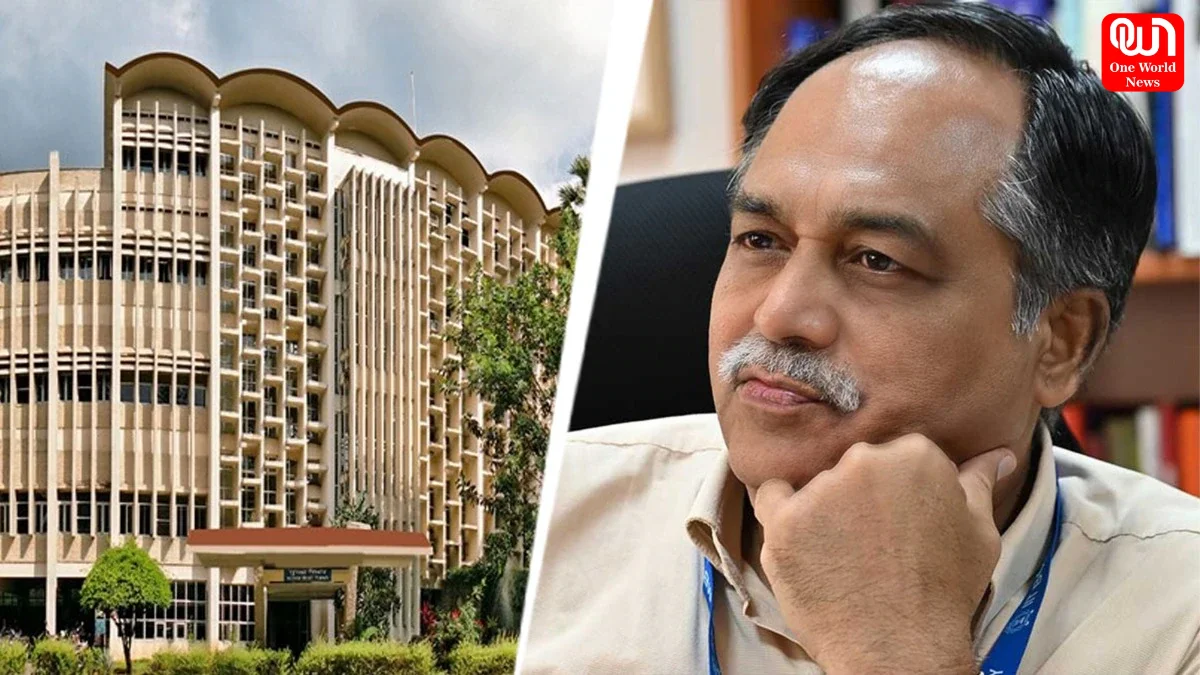
Professor Suryanarayana Doolla has become a central figure in the controversy because he was reportedly invigilating the examination in which Sahil was allegedly found with a mobile phone.
Students have demanded the immediate suspension of Professor Doolla and further action against any person found responsible after an investigation. However, the administration has indicated that due process will be followed. IIT Bombay’s Faculty Forum has also supported Doolla, stating that he was carrying out his invigilation responsibilities according to established procedures.
The allegations surrounding academic malpractice therefore remain an important part of the ongoing investigation. IIT Bombay has described the examination incident as involving the alleged use of a smartphone and ChatGPT, while students have questioned how the incident was handled and what happened afterward.
Mental Health and Student Welfare Reforms
Beyond the individual case, the charter focuses heavily on student welfare. Protesters have demanded stronger mental-health support, improved in-person counselling and greater mental-health awareness among faculty and staff.
Students have also proposed a task force involving students, faculty members, mental-health professionals and external experts to examine student distress and recommend preventive measures. Other demands include better medical facilities and a 24-hour psychiatrist-on-call service at the institute hospital.
The charter additionally seeks changes to the Disciplinary Action Committee process, greater student representation in institutional decision-making and a code of conduct for professors.
What Happens Next?
The signing of the charter does not mean that every demand has already been implemented. Reports indicate that the administration is expected to discuss the agreement with students at an open house, while the police investigation into Sahil Wakode’s death continues.
The students have also sought a written implementation plan by September 26. The charter states that the Director and other officials should face resignation demands if specified reforms are not implemented within the proposed timeframe. The precise implementation of these demands and the outcome of the ongoing investigation will determine the next phase of the controversy.
The IIT Bombay student death has consequently opened a wider discussion around academic pressure, institutional transparency, disciplinary procedures, mental-health support and allegations of caste discrimination. While several claims remain under investigation or are disputed by the concerned parties, the 18-point charter represents the protesting students’ stated demands for accountability and institutional reform.
We’re now on WhatsApp. Click to join.
Like this post?
Register at One World News to never miss out on videos, celeb interviews, and best reads.