Hindu Devotees Offer Prayers At Bhojshala After High Court Declares Site A Temple
Hindu Devotees offer prayers at Bhojshala after High Court declares the historic Bhojshala complex a Hindu temple.

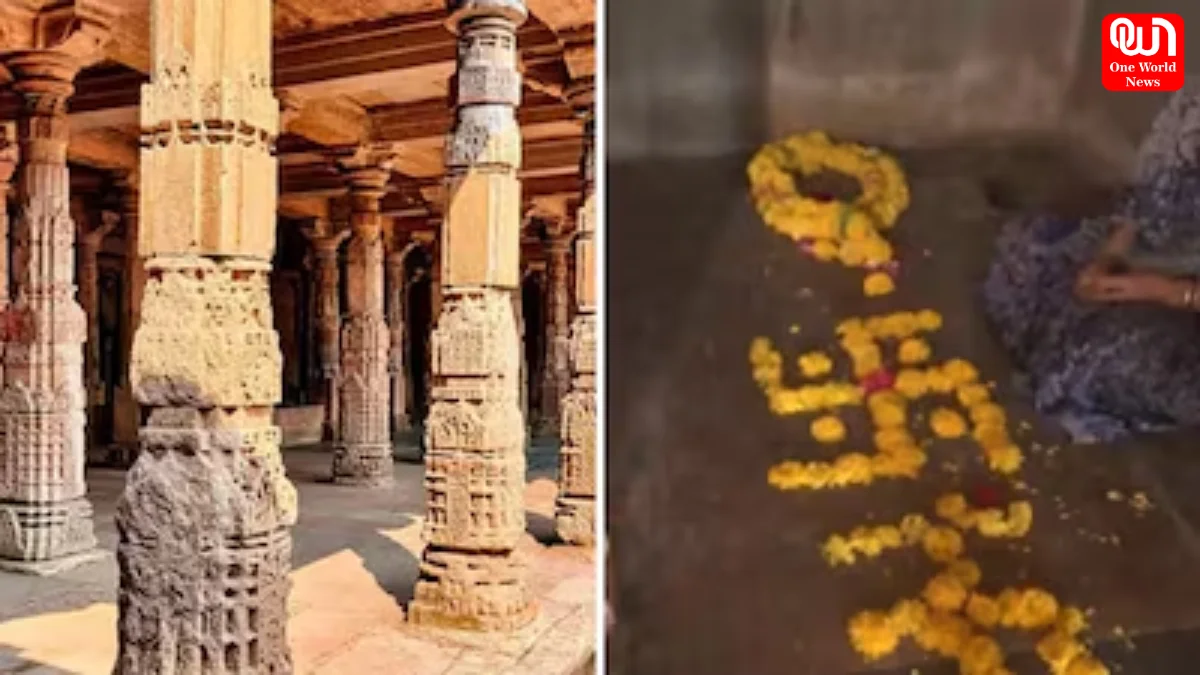
Hindu Devotees Gather At Bhojshala As High Court Declares Historic Site A Temple Dedicated To Goddess Saraswati
The historic Bhojshala complex in Madhya Pradesh’s Dhar district witnessed emotional scenes as Hindu devotees gathered to offer prayers after the Madhya Pradesh High Court declared the disputed site a Hindu temple dedicated to Goddess Vagdevi, also known as Goddess Saraswati. The verdict has become a major talking point across the country, especially among Hindu devotees who have long claimed the site as an ancient center of Sanskrit learning and worship.
Soon after the High Court judgment, devotees entered the Bhojshala premises chanting religious hymns and offering prayers. Many people described the decision as historic and emotional, saying it restored the religious and cultural identity of the centuries-old structure. Videos and visuals from the site showed large crowds gathering peacefully while security arrangements remained tight to maintain law and order.
The Bhojshala complex has remained at the center of a long-standing dispute between Hindu and Muslim groups for decades. Hindus have maintained that Bhojshala was originally a temple dedicated to Goddess Saraswati and a center of education established during the rule of King Bhoj. On the other hand, Muslim groups referred to the structure as the Kamal Maula Mosque and offered Friday prayers there under arrangements made by the Archaeological Survey of India (ASI).
read more: Gold and Silver Prices Crash Today: Massive Fall in Bullion Market Shocks Investors
In its latest judgment, the Madhya Pradesh High Court observed that the religious character of the Bhojshala complex is that of a Hindu temple and a center for Sanskrit learning. The court reportedly relied on historical records, archaeological findings, and principles similar to those used in the Ayodhya judgment. The court also set aside the 2003 ASI order that had allowed Muslims to offer namaz at the disputed site on Fridays.
Legal experts believe the decision could become one of the most significant religious verdicts after the Ayodhya dispute judgment. According to reports, the High Court emphasized evidence related to temple architecture, inscriptions, and archaeological studies while delivering its decision. The ruling has also directed the central government and ASI to decide future management and administrative arrangements for the Bhojshala complex.
For Hindu devotees, the judgment is being viewed as a moment of religious and cultural recognition. Several devotees who visited Bhojshala after the verdict expressed happiness and gratitude, saying they had waited many years for unrestricted worship rights at the site. Religious chants, prayers, and offerings continued throughout the day as people celebrated the court’s declaration.
The Bhojshala issue has frequently witnessed tension during festivals such as Basant Panchami, especially when it coincided with Friday prayers. Authorities had earlier made separate arrangements for Hindus and Muslims to offer prayers at different times. The dispute often required heavy police deployment to prevent clashes and maintain peace in the area.
Following the latest ruling, security has once again been increased around the Bhojshala complex to ensure peaceful worship and avoid any disturbance. Local administration officials stated that devotees are being allowed to offer prayers under proper security arrangements. Authorities have appealed to all communities to maintain harmony and respect the court’s decision.
Reasd more: Gold and Silver Prices Crash Today: Massive Fall in Bullion Market Shocks Investors
The Bhojshala complex holds immense historical significance. Historians believe it dates back to the 11th century and was associated with the Paramara dynasty ruler King Bhoj, who was known for promoting education, Sanskrit learning, and temple architecture. Over the years, the structure became an important symbol in debates surrounding heritage, religion, and archaeology in India.
As Hindu devotees continue visiting Bhojshala after the High Court verdict, the development is expected to remain a major political, religious, and cultural issue in the coming weeks. For many worshippers, the judgment represents not just a legal victory but also a restoration of faith and historical identity linked to the sacred Bhojshala temple complex.
We’re now on WhatsApp. Click to join.
Like this post?
Register at One World News to never miss out on videos, celeb interviews, and best reads.