BJP’s Delimitation Push 2.0: DMK’s Possible Shift, Pawar’s Stand and the New Numbers Game
Delimitation returns to Parliament as BJP seeks DMK and NCP SP support for women's reservation and Lok Sabha expansion through a Constitution Amendment.

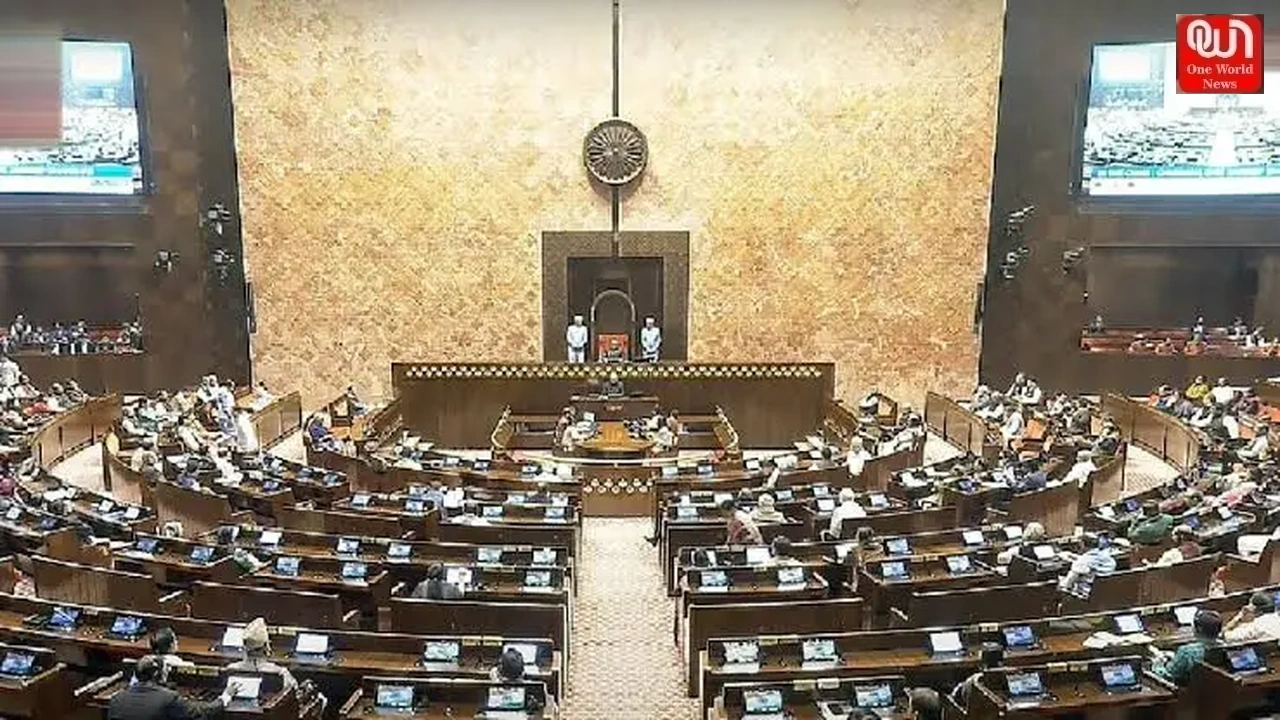
BJP’s Delimitation Push 2.0: Will DMK and NCP (SP) Support the Women’s Reservation and Lok Sabha Expansion Plan in Parliament?
India’s political landscape is witnessing a fresh debate over delimitation, women’s reservation and the future composition of Parliament. The Bharatiya Janata Party (BJP)-led government is preparing for another attempt to advance its proposed legislative package after facing a setback earlier this year. With a special sitting of Parliament scheduled to begin on November 30, political discussions are intensifying around possible support from regional parties, particularly the Dravida Munnetra Kazhagam (DMK) and the Nationalist Congress Party (NCP SP), led by Sharad Pawar.
The latest developments suggest that the BJP is exploring a different political strategy to secure the numbers required for a Constitution Amendment. However, whether regional parties will support the proposal depends heavily on safeguards for state representation and the final legislative framework.
What Is Behind BJP’s Delimitation Push 2.0?
Delimitation refers to the process of redrawing electoral constituency boundaries and determining the number of seats allocated to different regions based on population and constitutional provisions. It plays an important role in maintaining fair political representation across the country.
The BJP government’s latest proposal aims to expand the Lok Sabha’s strength from its existing 543 elected seats to potentially 850. The exercise is also connected with implementing 33 per cent women’s reservation in the Lok Sabha and state legislative assemblies ahead of the 2029 general elections.
The government is expected to revisit the legislative framework after its earlier Constitution (131st Amendment) Bill failed to secure the necessary support in April 2026.
This time, the BJP appears interested in building broader political consensus rather than relying entirely on its existing alliance partners.
DMK’s Possible Shift Could Change the Political Equation
One of the most significant developments is the DMK’s changing approach towards the proposed delimitation exercise. The party has traditionally opposed any arrangement that could reduce the political influence of southern states because of their success in controlling population growth.
However, recent political signals suggest that the DMK may consider supporting the proposal if its key concerns are addressed.
The party reportedly wants Tamil Nadu’s existing share of approximately 7.2 per cent of Lok Sabha seats to remain protected. Its position is that increasing the total number of parliamentary seats should not disadvantage states that have successfully implemented population-control measures.
The DMK has 22 MPs in the Lok Sabha, making its position particularly important for the BJP’s numbers strategy.
Although the party has not formally committed its support, its willingness to examine the proposal could become an important development during the upcoming Parliament session.
Sharad Pawar’s NCP SP Maintains a Cautious Position
The Nationalist Congress Party (Sharadchandra Pawar), commonly known as NCP (SP), is another regional political force attracting attention.
Party leader Supriya Sule has indicated that the proposal should be examined before the party takes a final decision. Her position suggests that the party is open to discussing legislation that serves the broader national interest.
The NCP SP has also raised concerns about the structure of the proposed Delimitation Commission and the need for fair representation of different political parties.
With eight Lok Sabha MPs, the party could contribute valuable support if it decides to back the Constitution Amendment.
However, Sharad Pawar’s party has not announced unconditional support. The final wording of the legislation will be important in determining its position.
Why Does the BJP Need Additional Numbers?
Passing a Constitution Amendment requires a special majority in both Houses of Parliament. This means the government needs the support of a majority of the total membership and at least two-thirds of members present and voting.
The numbers remain a major challenge for the BJP-led government.
The Lok Sabha currently has 540 members, including three vacancies. If all 540 members participate in voting, the government would require 360 votes to pass the proposed amendment.
The NDA’s existing strength is not sufficient to comfortably cross this threshold. Consequently, support from regional parties such as the DMK and NCP SP could become strategically important.
The Rajya Sabha presents another challenge, where the government also needs additional support beyond its existing alliance.
Women’s Reservation and Delimitation: Why Are They Connected?
The women’s reservation issue is an important part of the current political discussion.
The Constitution (106th Amendment) Act, 2023 provided for 33 per cent reservation for women in the Lok Sabha and state legislative assemblies. However, its implementation is linked to a future delimitation exercise following the relevant Census process.
The government wants to accelerate the implementation of women’s reservation by changing the constitutional framework and expanding parliamentary representation.
Opposition parties have generally supported greater representation for women but have questioned linking the reservation to a delimitation exercise that could significantly change the political balance between states.
This disagreement has become one of the biggest obstacles to achieving consensus.
Southern States’ Representation Remains a Major Concern
Tamil Nadu and other southern states are particularly concerned about how delimitation could affect their parliamentary influence.
States that have controlled population growth fear that a population-based redistribution could increase the relative representation of northern states.
The BJP’s proposed approach has therefore attracted attention because assurances regarding a uniform increase in seats across states could help address these concerns.
However, political parties want these assurances clearly reflected in the constitutional and legislative provisions rather than relying only on verbal commitments.
What Lies Ahead for Parliament?
The special sitting of Parliament beginning November 30, 2026, could become a significant political moment. The positions taken by the DMK, NCP SP and other regional parties will influence the government’s ability to move forward.
For the BJP, securing support beyond the NDA is essential. For regional parties, the priority remains protecting their states’ political representation while evaluating the benefits of women’s reservation.
The final legislative proposal, once presented, will determine whether these potential political understandings translate into actual parliamentary support.
Read more: No Structural Excess Capacity: India Rejects Trump Administration’s 25% Tariff Proposal
Conclusion
BJP’s Delimitation Push 2.0 is more than an attempt to expand the Lok Sabha. It represents a major political and constitutional debate involving women’s representation, federal balance and electoral fairness.
The possible shift in the DMK’s approach and Sharad Pawar’s cautious position have added a new dimension to the numbers game in Parliament. However, neither party has formally guaranteed its support.
As the upcoming session approaches, the central question remains whether the Bharatiya Janata Party can build enough political consensus to pass the proposed Constitution Amendment without compromising the representation concerns of India’s states.
We’re now on WhatsApp. Click to join.
Like this post?
Register at One World News to never miss out on videos, celeb interviews, and best reads.