A Southern Opening For BJP? YSRCP Backs Delimitation, DMK Weighs Support With Conditions
Delimitation gets a boost as YSRCP signals support and DMK weighs conditions over Lok Sabha seats, Tamil Nadu and political representation.

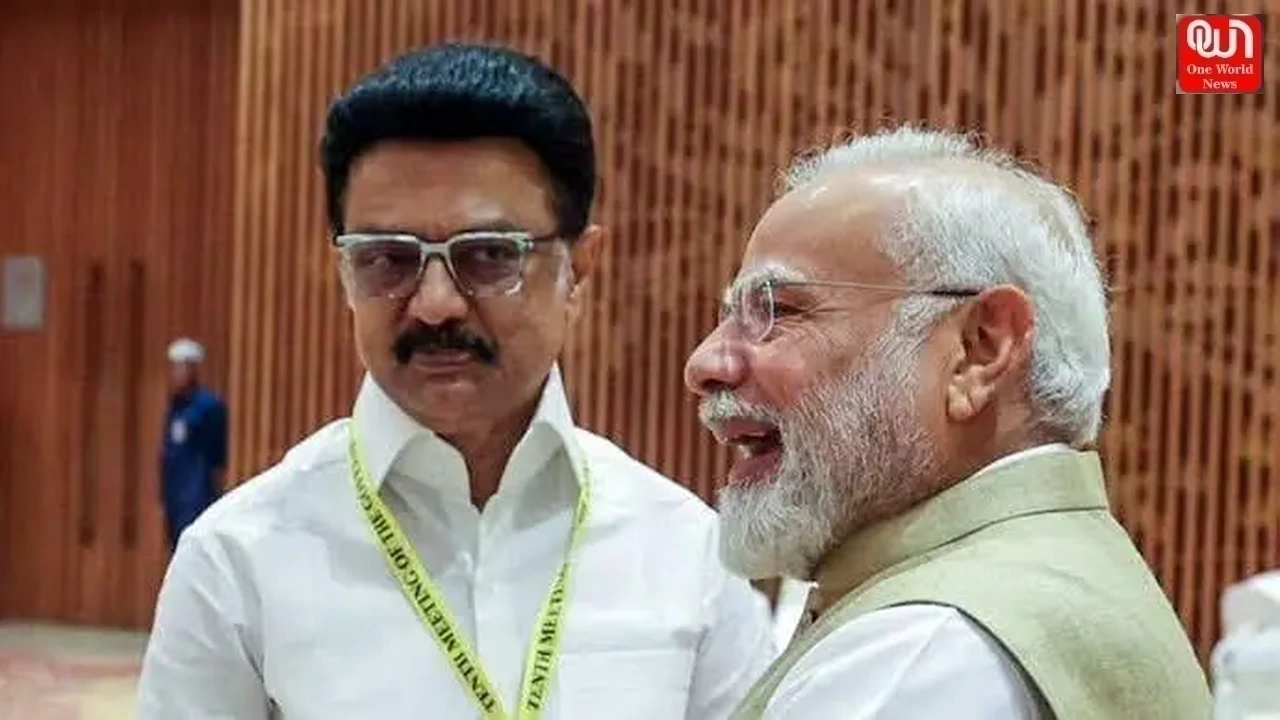
A Southern Opening For BJP? YSRCP Backs Delimitation, DMK Weighs Support With Conditions as Lok Sabha Seat Redistribution Sparks Debate Over Tamil Nadu’s Political Representation and Population Growth
The BJP-led central government may be witnessing a significant political shift in its efforts to push forward the proposed delimitation exercise. With the Yuvajana Sramika Rythu Congress Party (YSRCP) signalling its willingness to support the Centre’s proposal and the Dravida Munnetra Kazhagam (DMK) reconsidering its position under specific conditions, the political equation surrounding parliamentary representation is gaining fresh attention. The development comes ahead of the special Parliament session scheduled to begin on November 30, 2026.
The proposed delimitation legislation has become a major political issue because it could reshape the distribution of Lok Sabha seats across Indian states. While the government is seeking broader support for the exercise, regional parties, particularly those from southern India, want assurances that their political influence will not be weakened.
YSRCP Signals Support for the Centre’s Delimitation Proposal
The YSRCP’s latest position could provide an important boost to the BJP government’s efforts to gather additional parliamentary support. According to reports citing party sources, YSRCP is willing to consider supporting the proposed delimitation legislation, provided sufficient safeguards are introduced to protect the political representation of different regions.
The party’s position highlights the importance of maintaining a fair balance between states while redistributing parliamentary constituencies. Its support is not unconditional, as regional interests and representation remain central to its concerns.
For the BJP, support from regional political parties could prove valuable, particularly because constitutional amendments require a two-thirds majority in both Houses of Parliament. However, YSRCP has not yet made a formal announcement confirming its final voting decision.
DMK Weighs Support With Conditions Over Tamil Nadu’s Representation
The DMK’s position has also attracted considerable attention. Unlike its earlier opposition to the proposed exercise, the party is now reportedly open to considering the legislation if the existing share of Tamil Nadu in the Lok Sabha is protected.
Tamil Nadu currently has 39 elected representatives in the 543-member Lok Sabha, accounting for approximately 7.18% of the total elected seats. DMK leaders have indicated that the party is not against increasing the overall strength of Parliament. However, they want a clear guarantee that Tamil Nadu will not lose its relative parliamentary representation.
The party is particularly concerned that states which successfully controlled population growth should not face a political disadvantage during the delimitation process.
According to reports published on November 27, DMK leaders are waiting to examine the draft legislation before taking a final decision. The party wants its concerns to be addressed through legally binding provisions rather than verbal assurances.
Why Delimitation Has Become a Major Political Issue
Delimitation refers to the process of redrawing electoral constituency boundaries and determining the distribution of seats among states. Its primary objective is to ensure fair representation according to population changes and electoral requirements.
The proposed 2026 legislation seeks to facilitate an expansion of the Lok Sabha to as many as 850 members. The government has linked the proposed changes with the implementation of the 33% women’s reservation in the Lok Sabha and state legislative assemblies.
However, the exercise has raised questions about federal balance, particularly between northern and southern states.
Southern states such as Tamil Nadu, Kerala and Andhra Pradesh have frequently highlighted their achievements in population control. Their concern is that a redistribution based heavily on population growth could increase the parliamentary influence of states with larger populations while reducing the relative influence of states that have controlled demographic expansion.
Population Growth and the Debate Over Political Representation
Population growth has become one of the most important factors in the ongoing delimitation debate. States with larger populations naturally have stronger arguments for increased representation. However, southern political parties believe that population-based redistribution should also consider the achievements of states in education, healthcare and family planning.
The debate is therefore not simply about increasing the number of MPs. It concerns how India’s federal structure can maintain fairness while responding to demographic changes.
For Tamil Nadu, protecting its existing share of parliamentary representation is a major political priority. DMK leaders have argued that states should not be penalised for implementing successful population-control policies.
Read more: No Structural Excess Capacity: India Rejects Trump Administration’s 25% Tariff Proposal
The YSRCP’s demand for regional safeguards reflects similar concerns about maintaining balanced political representation across the country.
Can Regional Parties Help BJP Secure the Required Numbers?
The BJP government needs broader political support to move its constitutional amendment forward. The earlier attempt to pass the proposed legislation in April 2026 failed to secure the required two-thirds majority in the Lok Sabha.
The changing positions of regional parties could therefore become significant during the upcoming parliamentary session.
If the DMK agrees to support the legislation after receiving satisfactory guarantees, it could provide an important boost to the government’s numbers. Similarly, YSRCP’s willingness to consider the proposal could strengthen the possibility of wider political cooperation.
Nevertheless, the final outcome will depend on the actual provisions of the bill, the safeguards offered to states and the decisions taken by individual political parties.
What Lies Ahead for Delimitation and Southern States?
The special Parliament session beginning November 30 is expected to bring the delimitation debate back into national focus. The BJP will need to address concerns raised by regional parties if it hopes to build sufficient support for the proposed constitutional changes.
For the DMK, protecting Tamil Nadu’s parliamentary share remains a key condition. For YSRCP, ensuring regional balance is equally important.
Ultimately, the delimitation debate represents a larger discussion about democracy, federalism and political equality. Whether the BJP can secure support from southern political parties will depend on its ability to balance population-based representation with the interests of states that have successfully managed population growth.
The coming parliamentary session could therefore become a defining moment for India’s future political representation.
We’re now on WhatsApp. Click to join.
Like this post?
Register at One World News to never miss out on videos, celeb interviews, and best reads.