No Structural Excess Capacity: India Rejects Trump Administration’s 25% Tariff Proposal
India rejects Trump tariff claims, denies excess capacity as the US proposes a 25% tariff on India amid ongoing trade negotiations.

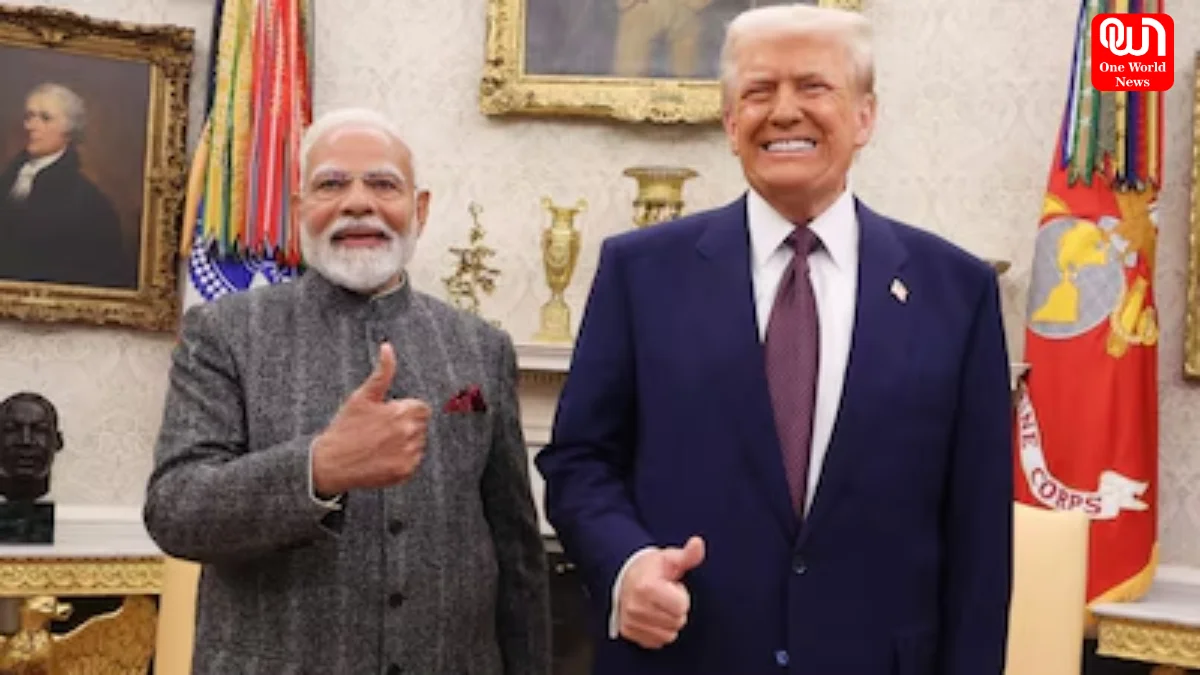
No Structural Excess Capacity: India Rejects Donald Trump’s 25% US Tariff Proposal on Indian Goods, Cites India US Trade Negotiations and USTR Section 301 Investigation
India has strongly rejected allegations by the United States regarding structural excess manufacturing capacity, pushing back against a fresh tariff proposal announced by the Donald Trump administration. The United States has proposed imposing tariffs of up to 25% on Indian goods following an investigation conducted under Section 301 of the US Trade Act of 1974.
Responding to Washington’s decision, the Ministry of Commerce and Industry clarified that India does not have structural excess capacity in any sector. The government also stated that it had participated constructively throughout the investigation and presented its position to the US authorities.
The latest development has added another dimension to ongoing India US trade discussions, with both countries continuing negotiations for a Bilateral Trade Agreement (BTA).
Press Information Bureau+2
Why Has the Trump Administration Proposed a 25% Tariff on India?
The Trump administration’s latest tariff proposal follows an investigation by the Office of the United States Trade Representative (USTR) into alleged structural excess capacity and manufacturing practices across several major economies.
Washington argues that certain countries follow industrial policies that encourage excessive manufacturing production, government-supported expansion and market practices that negatively affect American businesses.
According to the USTR, these practices create challenges for US manufacturers by affecting domestic production, employment opportunities, exports and investment.
India has been included among the 14 economies for which the US Trade Representative announced determinations on November 25, 2026.
The proposed action could involve additional tariffs of up to 25% on Indian goods, with exemptions for certain products. However, the proposal also includes the possibility of reducing the rate to 17% if India reaches a reciprocal trade agreement with the United States that addresses Washington’s concerns.
United States Trade Representative+1
India Says There Is No Structural Excess Capacity in Any Sector
The Indian government has clearly disagreed with the US assessment, maintaining that the country’s manufacturing sectors do not suffer from structural excess capacity.
In its official statement, the Ministry of Commerce and Industry said that India had engaged constructively throughout the investigation. The Department of Commerce had already communicated its position during the investigation and subsequent proceedings.
India has also emphasised that trade-related concerns should be addressed through bilateral discussions rather than through additional tariff measures.
The government is currently examining the notice issued by the USTR and has reiterated its commitment to resolving outstanding trade issues through negotiations.
This response indicates that New Delhi is looking for a diplomatic and mutually beneficial solution instead of allowing the latest tariff disagreement to disrupt broader economic relations.
Press Information Bureau+1
What Is USTR Section 301 and Why Is It Important?
Section 301 of the US Trade Act of 1974 gives the United States authority to investigate foreign government policies and practices that it considers unreasonable, discriminatory or harmful to American commerce.
The Trump administration initiated investigations in March 2026 into manufacturing capacity and production-related practices involving 16 economies.
The investigation examined issues such as industrial expansion policies, government support, labour protections, market access restrictions and manufacturing practices.
Following the investigation, the USTR announced determinations involving 14 economies, including India, China, Japan, South Korea, Vietnam, Indonesia, Malaysia, Bangladesh and the European Union.
The US administration believes that certain manufacturing policies create an uneven competitive environment for American industries.
For India, the USTR specifically highlighted industrial expansion plans, labour protection concerns, financial policies and market access barriers. It also identified sectors such as pharmaceuticals, medical devices, steel, solar energy and information and communications technology.
India, however, has rejected the allegation of structural excess capacity.
United States Trade Representative+1
Can the Proposed US Tariff on India Come Down to 17%?
One of the most significant aspects of the latest announcement is the possibility of a lower tariff rate if India and the United States successfully conclude a trade agreement.
According to US Trade Representative Jamieson Greer, the proposed tariff could be capped at 17% if a trade deal is reached. Without such an agreement, the rate could rise to 25%.
This creates an important connection between the ongoing trade negotiations and Washington’s latest tariff decision.
For Indian exporters, the difference between 17% and 25% could have significant commercial implications. A lower tariff could help Indian products remain competitive in the American market, while higher duties could increase costs for businesses exporting goods to the US.
However, the proposed rates should not be treated as final implemented tariffs. The USTR notice provides for public comments and further proceedings.
Reuters+2
India US Trade Agreement Negotiations Gain Importance
The latest tariff disagreement comes at a time when India and the United States are working towards a Bilateral Trade Agreement.
Both countries have significant economic interests in strengthening trade, improving market access and expanding investment opportunities.
India wants to protect its exporters while maintaining access to the American market. Meanwhile, the United States is seeking changes in certain trade and industrial policies that it considers unfavourable to American businesses.
The Indian government has reiterated that it remains committed to working closely with Washington towards an early conclusion of the agreement.
The negotiations will be important in determining how both countries address disagreements over tariffs, manufacturing policies and market access.
What Does the Latest Tariff Proposal Mean for Indian Businesses?
The proposed US tariff could affect several Indian industries that depend on exports to the American market.
Pharmaceuticals, medical devices, steel, solar products and information technology-related sectors are among the industries mentioned in the USTR’s investigation.
If additional duties are eventually implemented, Indian exporters could face higher costs and increased competition from suppliers in other countries.
Businesses may also need to review their pricing strategies, supply chains and export destinations to manage potential trade-related risks.
However, the final impact will depend on the outcome of bilateral negotiations, the public consultation process and the eventual implementation of any tariff measures.
What Happens Next?
India’s rejection of the structural excess capacity allegation highlights the differences between New Delhi and Washington over manufacturing policies and international trade.
Read more: 22-Year-Old Woman Gang-Raped by Colleagues After Party at Delhi Cafe; 3 Held, Including 2 Women
While Donald Trump’s administration is pushing for changes through its tariff framework, India is maintaining that its manufacturing sectors do not have structural excess capacity.
The next phase will depend on how both governments approach the ongoing discussions and whether they can reach an agreement that addresses their respective concerns.
For now, the proposed 25% tariff remains an important development in India US trade relations, but the possibility of a 17% rate through a bilateral agreement leaves room for further negotiations.
The coming weeks will be crucial for Indian exporters, policymakers and businesses watching the latest developments in US tariff policy.
We’re now on WhatsApp. Click to join.
Like this post?
Register at One World News to never miss out on videos, celeb interviews, and best reads