Satyam Computer Scandal: The ₹7,000 Crore Corporate Fraud That Shook India’s IT Industry | Jago Voter Jago
Satyam Computer Scandal: Discover how a ₹7,000 crore accounting fraud exposed fake profits, shook investor confidence and changed corporate governance in India.

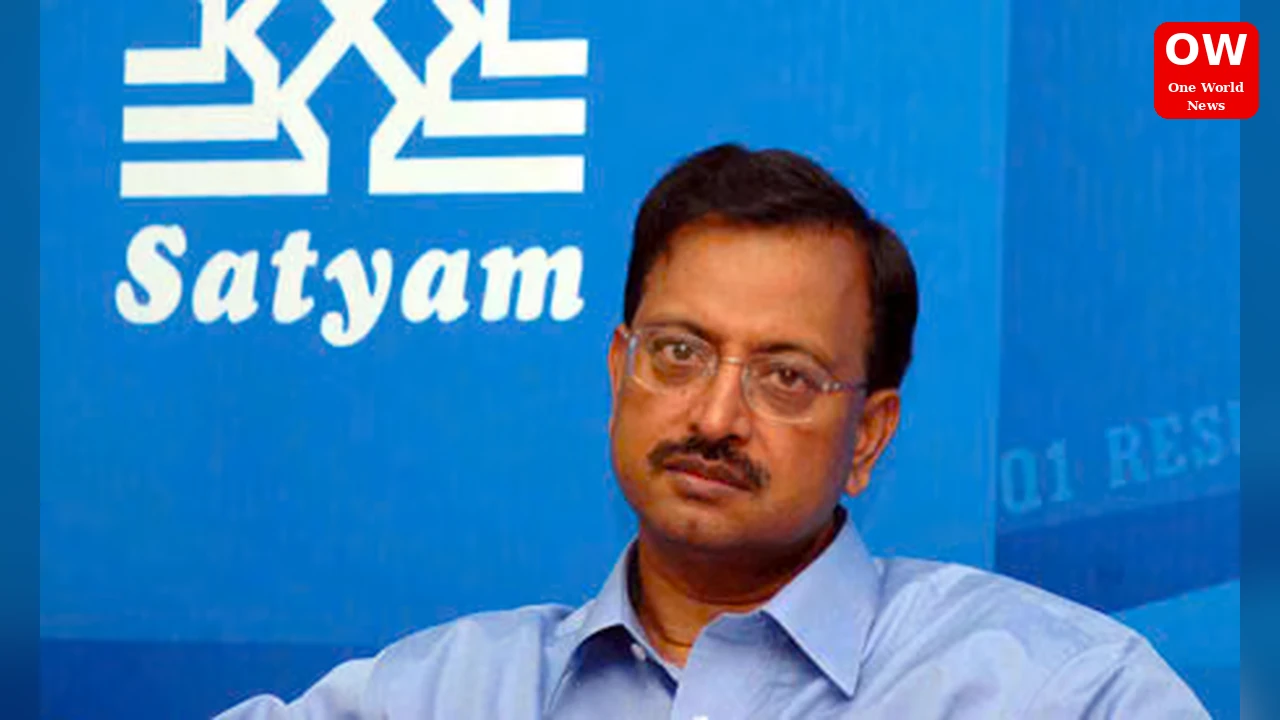
Jago Voter Jago: Satyam Computer Scandal Explained – How a ₹7,000 Crore Accounting Fraud, Fake Bank Balances and Manipulated Profits Shook India’s Corporate World in 2008–2009
Imagine investing your hard-earned money in a reputed company because its financial reports show impressive profits, strong bank balances and consistent business growth. But what if those numbers were not real? This shocking situation became a reality during the infamous Satyam Computer Scandal, one of India’s biggest corporate accounting frauds.
Under the Jago Voter Jago awareness series, let’s understand how a respected Indian IT company became associated with a financial scandal worth thousands of crores and why this incident remains an important lesson in corporate transparency and accountability.
What Was the Satyam Computer Scandal?
Satyam Computer Services was a prominent Indian information technology company founded by B. Ramalinga Raju in 1987. By 2008, the company had established an international presence and earned the confidence of investors, employees and business partners.
Its financial performance appeared impressive, with strong revenue figures and reported profits. However, behind this successful image, the company’s financial statements were being manipulated.
The scandal became public on January 7, 2009, when founder and chairman B. Ramalinga Raju admitted that the company’s accounts had been significantly falsified over several years. The financial gap was estimated at approximately ₹7,000 crore, making it one of India’s most shocking corporate fraud cases.
Maytas Deal: The Decision That Raised Serious Questions
The controversy started attracting attention in December 2008 when Satyam announced plans to acquire two companies, Maytas Infra and Maytas Properties.
These companies were connected to the family of Satyam’s founder. The proposed transaction immediately raised concerns among shareholders because investors questioned why an IT company was planning to acquire businesses in infrastructure and real estate.
The announcement triggered strong opposition from investors, and the company eventually withdrew the proposed acquisition.
However, the incident created serious doubts about the company’s management and financial decisions. Within weeks, the much bigger accounting fraud came into the spotlight.
How Did the ₹7,000 Crore Accounting Fraud Happen?
On January 7, 2009, Ramalinga Raju sent a letter to the company’s board and disclosed the financial irregularities.
The admission revealed that Satyam’s reported financial position did not reflect reality. Several accounting figures had been artificially inflated to make the company appear more profitable and financially stronger than it actually was.
The major irregularities included:
- Fake Bank Balances: The company reported cash and bank balances that did not actually exist.
- Inflated Profits: Financial statements showed higher profits than the company had genuinely earned.
- Fictitious Interest Income: Interest income was recorded despite the underlying deposits being non-existent.
- Manipulated Financial Records: False documents and accounting entries were used to support misleading financial statements.
- Understated Liabilities: The company’s actual financial obligations were not accurately reflected.
These manipulations created a false impression of financial success and misled investors who depended on the company’s published reports.
Why Did the Satyam Scam Shock Investors?
The Satyam Computer Scandal was not just a financial controversy involving one company. It raised serious questions about the reliability of corporate accounting systems in India.
Investors generally depend on annual reports, balance sheets, audit reports and management statements before purchasing company shares. When these documents contain misleading information, investors cannot make informed decisions.
The scandal damaged shareholder confidence and raised concerns about the effectiveness of independent audits, corporate boards and financial regulators.
It also affected employees, business partners and India’s reputation as a growing global IT destination.
Investigation and Legal Action Against Ramalinga Raju
Following the confession, several investigative agencies, including the Central Bureau of Investigation (CBI), Securities and Exchange Board of India (SEBI) and Serious Fraud Investigation Office (SFIO), examined the case.
The investigations uncovered extensive financial manipulation and resulted in criminal proceedings against the accused.
On April 9, 2015, a special CBI court convicted B. Ramalinga Raju and nine others and sentenced them to seven years of rigorous imprisonment.
The case also led to further regulatory scrutiny and highlighted the importance of stronger financial reporting and corporate governance practices.
How Was Satyam Computer Services Saved?
After the scandal became public, the Indian government intervened to protect the interests of employees, customers and investors.
A new board was appointed to stabilise the company and identify a suitable investor. In April 2009, Tech Mahindra acquired a controlling stake in Satyam through a competitive bidding process.
The company subsequently operated as Mahindra Satyam before merging with Tech Mahindra in 2013.
This intervention helped protect business operations and restore confidence among important stakeholders.
Lessons From the Satyam Computer Scandal
The Satyam fraud highlighted several important lessons for India’s corporate sector:
- Financial Transparency: Companies must publish accurate and verifiable financial information.
- Independent Auditing: Auditors must thoroughly examine financial records instead of relying entirely on management-provided documents.
- Management Accountability: Company leaders must be held responsible for misleading investors.
- Investor Awareness: Shareholders should understand financial reports and corporate announcements before investing.
- Strong Regulation: Regulatory institutions must ensure compliance and take action against financial misconduct.
Jago Voter Jago: Why Corporate Accountability Matters
The message of Jago Voter Jago goes beyond elections and voting rights. It also encourages citizens to understand the systems that influence their savings, investments and economic future.
The Satyam Computer Scandal reminds us that a company’s impressive reputation does not guarantee that its financial records are genuine.
Transparency, independent verification and accountability are essential for protecting public trust.
Remember, numbers can look impressive, but the truth comes out only through proper investigation. Stay informed, stay aware and keep watching One World News for more important stories under Jago Voter Jago.
We’re now on WhatsApp. Click to join.
Like this post?
Register at One World News to never miss out on videos, celeb interviews, and best reads.