Commonwealth Games Controversy 2010: What Happened Behind the Grand Celebration?
Commonwealth Games Controversy 2010: Explore the Suresh Kalmadi controversy, alleged financial irregularities and questions over public money.

Commonwealth Games Controversy 2010: Why Did Suresh Kalmadi’s Name Emerge in the Delhi Games Scandal? A Look at Alleged Corruption, Public Money and Accountability
The Commonwealth Games 2010 were supposed to be a historic moment for India. Hosting an international sporting event in Delhi was an opportunity to showcase the country’s development, infrastructure, sporting talent and organisational capabilities to the world. However, instead of being remembered only for sporting achievements, the event became associated with allegations of corruption, financial irregularities and questions about the use of public money.
The Commonwealth Games Controversy 2010 raised an important question: Were the funds allocated for the Games spent responsibly? The controversy brought the role of politicians, officials and organising authorities under public scrutiny, with former Organising Committee chairman Suresh Kalmadi becoming one of the most prominent names associated with the scandal.
In this episode of Jago Voter Jago, we look at what happened, why Suresh Kalmadi’s name emerged and why public accountability matters in a democracy.
What Were the Commonwealth Games 2010?
The 19th Commonwealth Games were organised in New Delhi from October 3 to October 14, 2010. Athletes from 71 Commonwealth Games Associations participated in 17 sports and four para-sport disciplines.
India delivered its best-ever performance at the Games at that time, securing second place in the medal tally with 38 gold, 27 silver and 36 bronze medals.
However, preparations for the event faced several challenges, including construction delays, infrastructure problems, rising expenses and concerns about procurement procedures. The event’s overall financial management soon became a major subject of public debate.
Why Did the Commonwealth Games Controversy 2010 Begin?
The controversy mainly revolved around allegations of irregularities in awarding contracts, procurement, expenditure and project management.
Several infrastructure projects experienced delays, while the cost of organising the Games increased significantly compared with the original estimates.
According to the Comptroller and Auditor General (CAG), the original bid estimate for hosting the Games was approximately Rs. 1,200 crore. By October 2010, the overall budget estimate for the Games-related projects undertaken by the Central Government, Delhi Government and associated agencies had reached approximately Rs. 18,532 crore.
The CAG also highlighted weaknesses in financial planning, coordination, contract management and internal controls.
Questions were raised about whether certain contracts were awarded transparently, whether procurement decisions followed proper procedures and whether public funds were used efficiently.
Why Did Suresh Kalmadi’s Name Emerge?
Suresh Kalmadi, who was serving as chairman of the Commonwealth Games Organising Committee, became a central figure in the controversy.
As the head of the Organising Committee, he was associated with the administration and coordination of the event. When allegations concerning contracts, procurement and financial decisions emerged, the committee’s functioning and the responsibilities of its senior officials came under investigation.
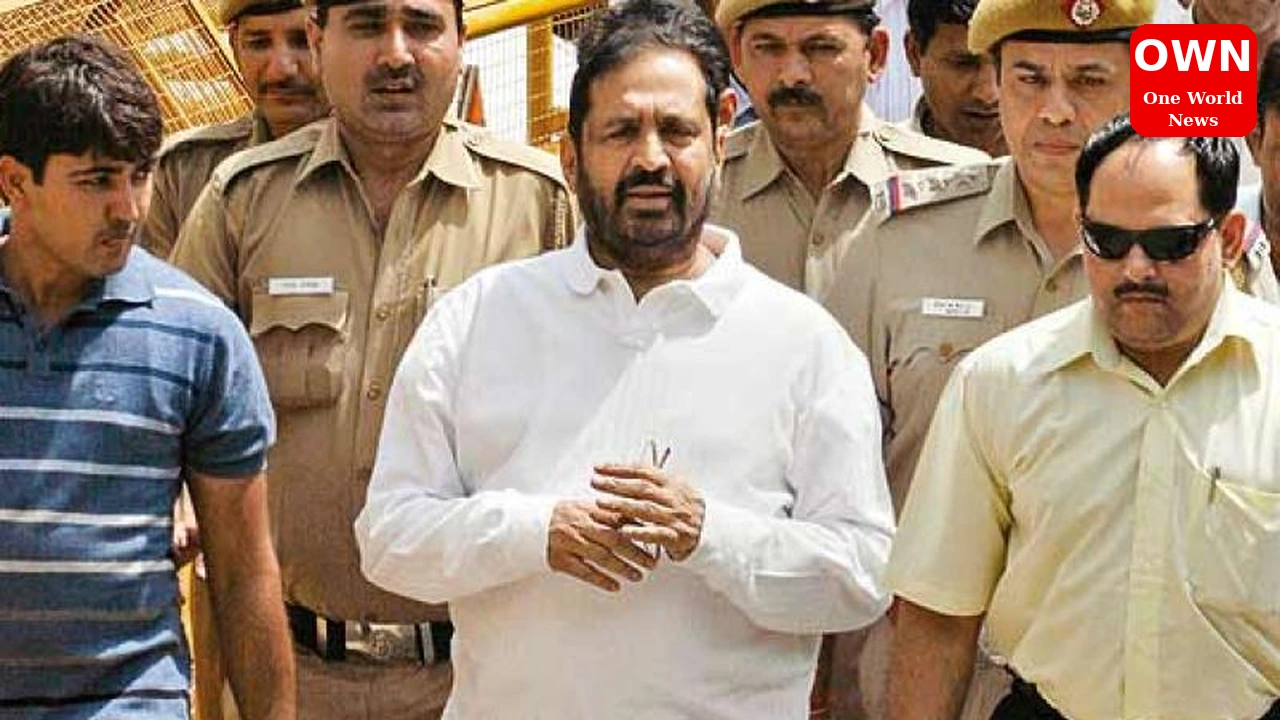
Investigating agencies examined alleged irregularities connected with the organisation of the Games. Kalmadi was arrested in April 2011 in connection with a corruption case involving a contract for timing, scoring and results management services.
The case brought national attention to the controversy and intensified questions about transparency in major public events.
However, it is important to distinguish between allegations, investigative findings and judicial conclusions. Being accused or investigated does not automatically establish guilt in every allegation.
What Did the CAG Report Reveal?
The Comptroller and Auditor General’s performance audit, presented in Parliament in August 2011, highlighted several serious shortcomings in the organisation of the Games.
Some of its important observations included:
- The original financial estimates were unrealistic and underwent substantial revisions.
- Delays in planning and approvals contributed to increased costs.
- Contract management and documentation within the Organising Committee were inadequate.
- Several high-value contracts were finalised close to the event.
- Weak internal controls raised concerns about transparency and accountability.
The report also noted that the Organising Committee had not maintained a comprehensive contracts register, making it difficult to establish the complete picture of its contractual commitments.
These findings demonstrated why independent audits and proper financial monitoring are essential when large amounts of public money are involved.
We’re now on WhatsApp. Click to join.
Like this post?
Register at One World News to never miss out on videos, celeb interviews, and best reads.