What About Nagpur And Varanasi? Congress Hits Back At PM Modi Over MLC Elections, BJP Losses And Ballot Papers
Congress hits back at PM Modi over MLC elections, citing BJP losses in Nagpur and Varanasi as Supriya Shrinate questions the ballot paper debate.

What About Nagpur And Varanasi? Congress Hits Back At PM Modi Over Zero-Seat Jibe After MLC Polls
The political debate over the recent MLC elections has intensified after Prime Minister Narendra Modi criticised the Congress over its electoral performance in elections conducted using ballot papers. The Congress responded by highlighting the Bharatiya Janata Party’s setbacks in Nagpur, Maharashtra, and Varanasi, Uttar Pradesh, turning the discussion towards the BJP’s own electoral performance.
Congress leaders, including Supriya Shrinate, questioned why the Prime Minister was focusing on the party’s losses while overlooking results that challenged the BJP in politically significant constituencies. The exchange has brought ballot papers, electronic voting machines (EVMs), and the interpretation of election results back into the political spotlight.
PM Modi’s Zero-Seat Jibe Sparks Political Controversy
PM Modi took a swipe at the Congress over its performance in Legislative Council elections held across Uttar Pradesh, Maharashtra, Bihar and Karnataka. Referring to elections conducted using ballot papers, he questioned how many seats the opposition party had managed to win.
The remark was aimed at the Congress’s criticism of EVMs and its demand for greater confidence in the electoral process. The party had contested seats across the four states but initially faced a disappointing result.
However, the political picture became more complicated as results emerged from Maharashtra. Congress candidate Abhijit Wanjari retained the Nagpur Division Graduates’ constituency, giving the party a significant victory and an opportunity to challenge the Prime Minister’s criticism.
Congress Questions BJP’s Performance in Nagpur
Nagpur became a major talking point after Congress candidate Abhijit Wanjari defeated BJP nominee Sudhakar Kohale in the graduates’ constituency. Wanjari secured 67,231 votes, compared with Kohale’s 63,960, winning by a margin of 3,271 votes.
The result carried political significance because Nagpur is associated with Maharashtra Chief Minister Devendra Fadnavis, Union Minister Nitin Gadkari and the headquarters of the Rashtriya Swayamsevak Sangh (RSS).
The Congress used the outcome to counter the BJP’s criticism, arguing that electoral performance should be judged across constituencies rather than through selective comparisons. The victory also strengthened the opposition’s position in a constituency traditionally associated with BJP influence.
For the Congress, the Nagpur result offered a response to the zero-seat jibe and demonstrated that the party could still compete in politically important areas.
Why Has Varanasi Become Central to the Debate?
Varanasi, the parliamentary constituency represented by PM Modi, emerged as another important part of the political exchange. The BJP suffered setbacks in two Legislative Council constituencies associated with the city, with the Samajwadi Party winning both seats.
SP-backed teacher Lal Bihari Yadav defeated BJP candidate Pramod Mishra in the teachers’ constituency, while Ashutosh Sinha retained the graduates’ constituency for the Samajwadi Party.
Congress leaders pointed to these results to question the BJP’s performance in an area closely linked to the Prime Minister. They argued that the party should also examine its losses instead of focusing exclusively on the Congress’s electoral record.
However, MLC elections involve a different electorate from Lok Sabha and Assembly elections. These results are politically significant but do not automatically predict the outcome of future general elections.
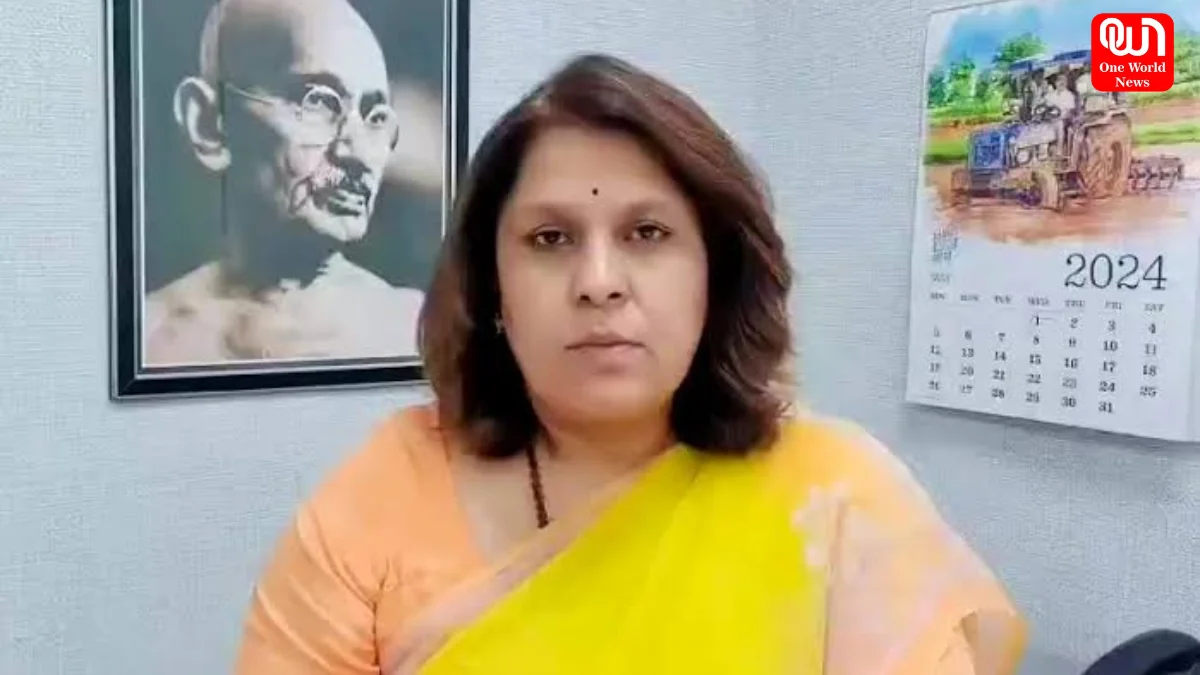
Supriya Shrinate Challenges the BJP Over Ballot Papers
Congress spokesperson Supriya Shrinate joined the criticism of the BJP, using the results to question the party’s confidence in elections conducted through ballot papers.
The Congress has repeatedly raised concerns about EVMs and called for a return to paper ballots. Following PM Modi’s remarks, opposition leaders argued that if the Prime Minister believed ballot-based elections demonstrated the Congress’s weaknesses, the same method should be considered for future Lok Sabha and Assembly elections.
The argument has become a political contest over consistency. Congress leaders want the BJP to address their demand for ballot papers directly rather than using election results to ridicule the opposition.
At the same time, the use of ballot papers in MLC elections does not, by itself, establish that EVM-based elections are unreliable. The two sides continue to disagree over electoral transparency and how the results should be interpreted.
Read more: Jio Platforms Makes Stellar Debut on Dalal Street: Shares Open at 21.3% Premium
Congress Leaders Urge PM Modi to Introspect
Congress leaders also criticised the Prime Minister for focusing on the opposition’s performance instead of examining the BJP’s losses. They highlighted Nagpur and Varanasi while raising broader concerns about inflation, unemployment and private investment.
The Congress argued that the BJP should acknowledge the results in constituencies where opposition candidates performed well. The party also used the developments to question the ruling party’s claims of political dominance.
The dispute extends beyond individual MLC seats. Both parties are using the results to strengthen their political narratives ahead of upcoming electoral contests, particularly the Uttar Pradesh Assembly elections scheduled for 2027.
For the BJP, the Congress’s poor performance remains a point of criticism. For the Congress, victories and opposition gains in Nagpur and Varanasi provide an opportunity to challenge the ruling party’s political narrative.
What Do the MLC Election Results Mean for Indian Politics?
The latest MLC elections highlight the importance of local political dynamics, candidate selection and voter mobilisation. While the BJP and its allies maintained a strong overall position across the four states, the Congress’s victory in Nagpur and the Samajwadi Party’s wins in Varanasi complicated the political narrative.
The results also show why individual constituencies matter. A victory in a politically symbolic seat can become a major talking point, even when a party faces difficulties elsewhere.
Nevertheless, MLC elections have a different electoral structure from general elections. Graduates’ and teachers’ constituencies have specialised electorates, meaning their outcomes should not be treated as a direct measure of nationwide public opinion.
Conclusion: Congress Turns PM Modi’s Jibe Into a Wider Political Debate
The exchange over Nagpur, Varanasi and ballot papers has intensified the political confrontation between the Congress and the BJP. PM Modi’s criticism of the Congress’s performance prompted opposition leaders to highlight the BJP’s setbacks and demand greater consistency in the debate over electoral methods.
With Supriya Shrinate and other Congress leaders questioning the BJP’s results, the controversy has become about more than the number of seats won. It reflects the continuing struggle over electoral credibility, political messaging and public confidence.
Ultimately, the MLC results provide both parties with arguments to support their positions. Whether these outcomes influence the broader political landscape will depend on future elections, voter priorities and each party’s ability to convert local results into sustained political support.
We’re now on WhatsApp. Click to join.
Like this post?
Register at One World News to never miss out on videos, celeb interviews, and best reads.