Political Short: CJP Leaders’ Arrest in Delhi Raises Questions About Protest Rights
olitical short on CJP leaders’ arrest in Delhi, Abhijeet Dipke’s emotional statement, and the debate over peaceful protests and democratic rights.

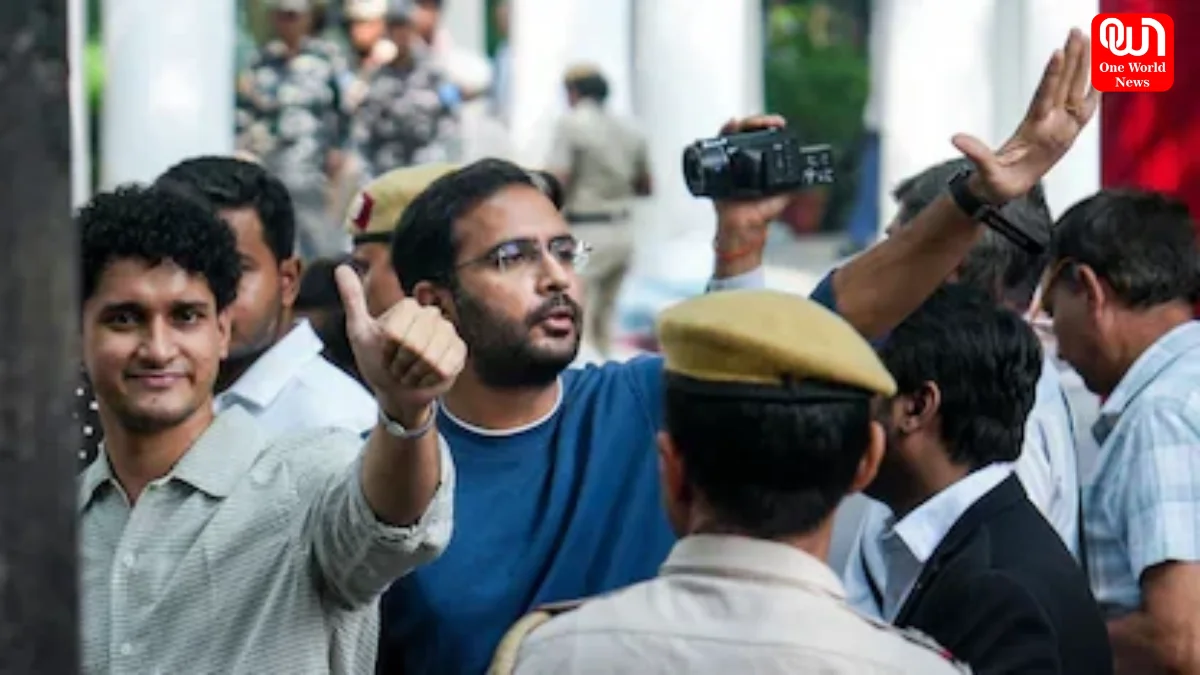
Political Short: CJP Leaders Ashutosh Ranka and Saurav Das in Judicial Custody After Delhi Protest as Abhijeet Dipke Raises Questions About Democratic Rights
Can asking questions become a crime? Can participating in a protest lead to arrest? These questions have attracted attention following the reported detention of Cockroach Janta Party (CJP) leaders Ashutosh Ranka and Saurav Das in Delhi. The incident has sparked discussion about freedom of expression, peaceful demonstrations, and the legal limits of protest activities in India.
CJP founder Abhijeet Dipke has raised concerns about the treatment of his colleagues, claiming that they were unfairly detained in connection with a demonstration involving the national flag and opposition to the authorities. Their reported placement in judicial custody has brought the issue into the public spotlight. However, the party’s allegations, the police’s position, and the court proceedings must be examined separately to understand the case accurately.
Who Are Ashutosh Ranka and Saurav Das?
Ashutosh Ranka and Saurav Das are leaders associated with the Cockroach Janta Party. Their reported detention during a protest in Delhi has drawn attention to the party’s activities and its concerns regarding the right to demonstrate.
According to statements attributed to Abhijeet Dipke, both leaders have played an important role in the movement. The party has questioned the legal basis for their detention and expressed concern about the consequences of the police action. The specific allegations, applicable legal provisions, and reasons recorded in the relevant court orders are important to determining the circumstances of the case.
read more: FDA Chief Tukaram Mundhe Shuts Down Food Counters at Mumbai’s INOX R City Mall: Report
Abhijeet Dipke’s Emotional Statement
The controversy gained another dimension when Abhijeet Dipke reportedly became emotional while speaking about his colleagues. He said that the tears in his eyes were not due to fear but because of his concern for the people standing beside him. He also described Ashutosh Ranka and Saurav Das as important leaders of the movement.
His statement highlighted the personal impact of the reported arrests on the party and its supporters. It also brought attention to the questions surrounding the leaders’ detention. Nevertheless, emotional statements and political allegations do not establish whether a particular police action was lawful. That determination depends on the available evidence, applicable law, and judicial proceedings.
Can Peaceful Protest Lead to Jail in India?
The Indian Constitution protects freedom of speech and expression and the right to assemble peacefully under Article 19, subject to constitutional restrictions. These rights allow citizens to express disagreement, raise public concerns, and participate in demonstrations.
However, the right to protest does not remove the obligation to follow applicable laws and lawful restrictions. Authorities may take action when legal grounds exist, but the validity of that action depends on the specific circumstances and required procedures.
It is also important to understand that arrest and judicial custody do not automatically mean that a person has been found guilty. Judicial custody is a legal measure ordered during proceedings, whereas a conviction follows a judicial determination of guilt. In the CJP case, the legality of the action must be assessed using the official allegations, relevant court orders, and other reliable records rather than assumptions.
Why Has the CJP Case Become a Talking Point?
The reported detention has raised broader questions about the relationship between law enforcement and democratic freedoms. Peaceful protests are an important way for citizens to communicate their concerns and question decisions made by public institutions. At the same time, police authorities have responsibilities relating to public order and enforcement of the law.
The central issue is whether the applicable legal procedures were followed, whether the authorities had sufficient legal grounds for their actions, and whether the leaders’ rights were respected. These questions require careful examination of evidence and the judicial process.
Conclusion
The reported detention of CJP leaders Ashutosh Ranka and Saurav Das has renewed discussion about peaceful protest, freedom of expression, and the limits of police authority in India. Abhijeet Dipke’s emotional statement has added to the public debate, while the legal circumstances of the case remain essential to understanding what happened.
The key question is whether the authorities acted according to the law and followed the required procedures. What is your opinion on peaceful protests and democratic rights in India? Share your views in the comments and stay connected with One World News for more political short updates and current affairs coverage.
We’re now on WhatsApp. Click to join.
Like this post?
Register at One World News to never miss out on videos, celeb interviews, and best reads.