US Russia Sanctions: India Russian Oil, Trump Belarus Potash Deal and Double Standards Behind US Tariffs
US Russia sanctions raise questions over India Russian oil, Trump Belarus potash, US tariffs, double standards, energy security and the Graham Act.

US Russia Sanctions Explained: India Russian Oil, Trump Belarus Potash Deal, Double Standards, US Tariffs, Energy Security and the Lindsey Graham Act
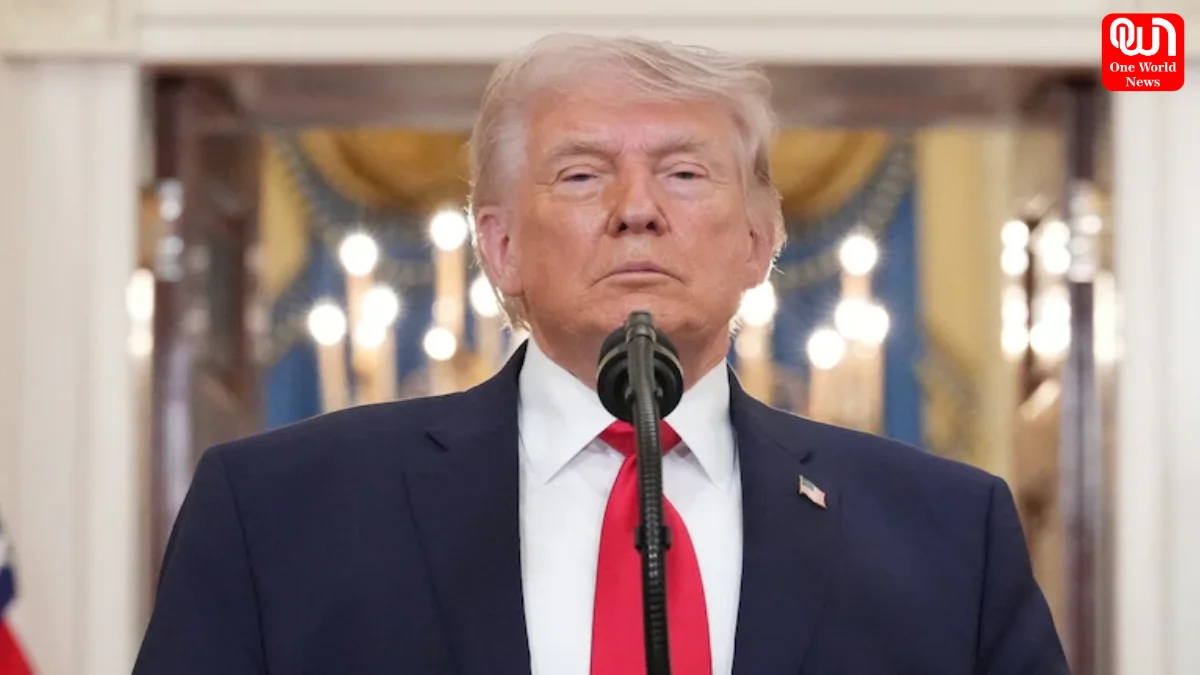
The latest developments in US Russia sanctions have created a fresh debate over global trade, energy markets and Washington’s approach to countries maintaining commercial ties with Moscow. The issue has become particularly significant for India after the United States enacted legislation giving President Donald Trump authority to impose tariffs of up to 100% on countries that continue buying Russian oil and gas under specified conditions.
At the same time, Washington is exploring a major Trump Belarus potash deal, with the U.S. president saying that the country is working toward purchasing Belarusian potash at a lower price than it currently pays to Canada. The contrasting developments have prompted questions about Double standards in international trade and sanctions policy.
What the New US Russia Sanctions Law Means for India
The Lindsey O. Graham Sanctioning Russia and Iran Act of 2026 has significantly expanded the U.S. administration’s potential tariff powers. Signed into law in September, the legislation allows the president to impose duties of up to 100% on imports from certain major purchasers of Russian energy.
India is among the countries that could potentially be affected because it remains a major buyer of Russian crude. However, the distinction between authorization and implementation is important. The legislation does not itself place a 100% tariff on Indian goods. Rather, it provides the administration with the authority to impose such tariffs if the statutory conditions are met and the president chooses to use that authority.
India Russian Oil and Energy Security
For India, the debate is closely connected with Energy security. The country relies heavily on imported crude oil, while Russian supplies have become an important source since the global energy market was disrupted following Russia’s invasion of Ukraine.
Discounted Russian crude has allowed Indian refiners to diversify their supply sources and manage international oil costs. According to recent reporting, Russian crude continues to represent a substantial share of India’s overall oil imports. Analysts have also pointed out that rapidly reducing Russian purchases could be complicated by current global energy-market conditions.
This makes the potential impact of US tariffs broader than a conventional trade dispute. Any major disruption to India’s crude sourcing could affect refinery economics, import costs and wider energy-market calculations.
Trump Belarus Potash Deal Raises Questions
The debate became more complicated after Trump announced that the United States was working on a major agreement to purchase potash from Belarus. Potash is an important fertilizer ingredient, and Belarus is one of the world’s major producers.
Trump said the proposed arrangement could provide American farmers with potash at a lower price than supplies currently sourced from Canada. Belarusian President Alexander Lukashenko has also indicated that potash exports to the United States have resumed following the easing of certain U.S. sanctions.
Belarus maintains close ties with Russia, making the proposed fertilizer trade especially notable in the broader context of US Russia sanctions.
The Double Standards Debate
The combination of these developments has fueled a Double standards debate. Critics argue that Washington is pressuring countries such as India to reduce purchases of Russian energy while simultaneously considering commercial engagement with Belarus, a close Russian ally.
There is another dimension to the discussion. Recent analysis of the new sanctions framework has highlighted exemptions concerning U.S. imports of Russian low-enriched uranium, which remains important to the American nuclear-power industry. Such exemptions have contributed to wider questions about how sanctions are applied when national economic or energy requirements are involved.
Read more: Tata Sons Chairman Reappointment: Tata Trusts, N Chandrasekaran & AoA Dispute Explained
Supporters of the U.S. approach, however, argue that the policy is designed around American economic and national-security interests. The White House has previously stated that measures targeting Russian oil purchases are intended to reduce revenue supporting Moscow’s war effort.
What the Lindsey Graham Act Could Mean for Global Trade
The Lindsey Graham Act represents a significant development because it gives the U.S. president additional tools to pressure major Russian energy customers. India and China have received particular attention because of their large-scale Russian energy purchases.
For India, the issue is not simply about tariffs. It also involves the country’s relationship with Russia, its expanding economic relationship with the United States, and the need to maintain reliable access to affordable energy.
The situation also demonstrates how energy, trade and geopolitics are increasingly interconnected. Decisions involving crude oil or fertilizer can influence diplomatic relations, inflation, industrial costs and international supply chains.
Conclusion
The latest developments surrounding US Russia sanctions, India Russian oil, the Trump Belarus potash proposal and potential US tariffs illustrate the complexity of modern geopolitics. The central issue for India is balancing economic interests and Energy security while managing an increasingly complicated relationship with Washington and Moscow.
Meanwhile, the Belarus potash discussions have added another layer to the debate over sanctions and international trade. Whether these developments ultimately produce policy changes or further negotiations remains dependent on decisions by governments involved.
For businesses and policymakers, the evolving situation highlights the importance of closely monitoring energy markets, tariff rules and geopolitical developments as the United States implements the new framework.
We’re now on WhatsApp. Click to join.
Like this post?
Register at One World News to never miss out on videos, celeb interviews, and best reads.