FSSAI Dabur 100% Claims: Food Regulator Orders Dabur India to Stop Sale of Honey, Cow Ghee and Other Products With Misleading Purity Claims
FSSAI Dabur 100% Claims: Food Regulator orders Dabur India to stop selling Honey, Cow Ghee and Edible Oils with misleading purity claims.

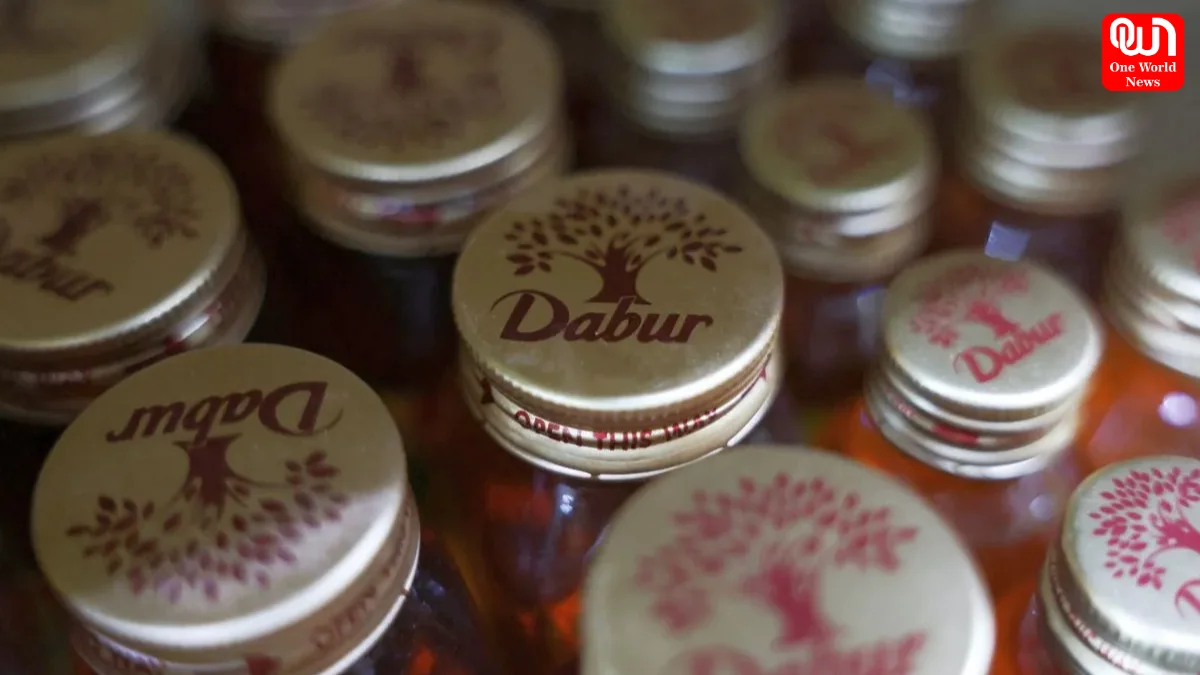
FSSAI Dabur 100% Claims: Food Regulator Orders Dabur India to Stop Sale of Products With ‘100%’ Purity Claims
In a significant move aimed at strengthening consumer protection and ensuring transparent food labelling, FSSAI (Food Safety and Standards Authority of India) has directed Dabur India to immediately stop the sale of several food products carrying ‘100%’ purity and naturalness claims. The action has drawn nationwide attention as it involves popular household products such as Honey, Cow Ghee, Edible Oils, apple cider vinegar, coconut milk, and coconut water.
The Food Regulator stated that these claims are misleading, unverifiable, and capable of creating a false impression among consumers, making them a violation of the Food Safety and Standards (Advertising & Claims) Regulations, 2018.
Why Did FSSAI Take Action Against Dabur India?
According to the regulator, products sold on Dabur India’s website carried promotional statements such as:
- 100% Natural
- 100% Pure
- 100% Purity Guaranteed
- 100% Organic
- 100% Tender Coconut Water
The FSSAI observed that these expressions are ambiguous and cannot be scientifically verified in the manner they are presented to consumers. Because of this, such labels may influence purchasing decisions unfairly and amount to Misleading Claims under Indian food laws.
Which Dabur Products Are Affected?
The prohibition covers multiple food categories marketed by Dabur India, including:
- Honey
- Cow Ghee
- Virgin Coconut Oil
- Sesame Oil
- Apple Cider Vinegar
- Coconut Milk
- Coconut Water
- Other similar food products carrying “100%” claims
Among these, Honey, Cow Ghee, and Edible Oils have received the most public attention because they are widely consumed across Indian households.
read more: Wild Foods Day 2026: Celebrating Nature’s Edible Treasures and Sustainable Living
FSSAI Says ‘100%’ Claims Are Misleading
The Food Regulator clarified that food manufacturers cannot use absolute terms like “100%” unless they are fully supported under applicable regulations. According to the regulator, these statements:
- Are difficult to verify scientifically.
- Can mislead consumers into believing products are completely free from any processing or variation.
- Violate food advertising and labelling standards.
The authority has consistently advised food businesses to avoid such exaggerated marketing language to maintain transparency and consumer trust.
Previous Notice Was Already Issued
Reports indicate that FSSAI had previously issued a notice asking Dabur India to discontinue the disputed “100%” claims. However, the regulator found that satisfactory corrective action was not taken.
As a result, the authority has now directed the company to:
- Immediately stop selling the identified products.
- Remove misleading “100%” claims.
- Submit an Action Taken Report (ATR) within 15 days.
This marks a stricter enforcement approach by the Food Regulator against repeated non-compliance.
What Does This Mean for Consumers?
The order does not necessarily imply that the affected food products are unsafe to consume. Instead, the action primarily concerns advertising and labelling practices.
Consumers should understand that:
- The issue relates to Misleading Claims, not food contamination.
- Products may continue to be available after labels and promotional material comply with regulatory requirements.
- Buyers are encouraged to read food labels carefully rather than relying solely on marketing slogans.
This development also serves as a reminder that transparency in food marketing is becoming a top regulatory priority in India.
Impact on Dabur India
The regulatory action has placed Dabur India under increased scrutiny from consumers and investors alike. Following the announcement, market sentiment turned cautious, with the company’s shares witnessing pressure during trading.
Industry experts believe that FMCG companies may now review their packaging and advertising strategies to ensure compliance with FSSAI guidelines and avoid similar enforcement actions in the future.
Read more: World Pasta Day 2026: Date, History, Significance, Celebrations & Delicious Ways to Enjoy Pasta
A Stronger Push for Honest Food Labelling
India’s food sector has witnessed growing regulatory oversight in recent years. The latest FSSAI Dabur 100% Claims case reflects the regulator’s commitment to preventing exaggerated marketing practices and promoting truthful communication with consumers.
Whether it is Honey, Cow Ghee, Edible Oils, or other packaged foods, manufacturers are expected to support every claim with verifiable evidence. As food choices increasingly depend on health, quality, and authenticity, regulators are making it clear that companies must prioritize factual information over promotional language.
The latest action reinforces the message that Misleading Claims have no place in responsible food marketing, and that compliance with FSSAI regulations remains essential for every food business operating in India.
We’re now on WhatsApp. Click to join.
Like this post?
Register at One World News to never miss out on videos, celeb interviews, and best reads.