Siddhivinayak Temple Donation Theft Row: Trustees Claim ₹18 Crore Annual Loss, Seek Government Inquiry
Siddhivinayak Temple donation theft row intensifies as trustees allege ₹18 crore annual cash theft and seek a government inquiry.

Siddhivinayak Temple Donation Theft Allegations Rock Mumbai Temple as Trustees Claim ₹18 Crore Annual Cash Theft, Eknath Shinde and Raj Thackeray Demand Transparency
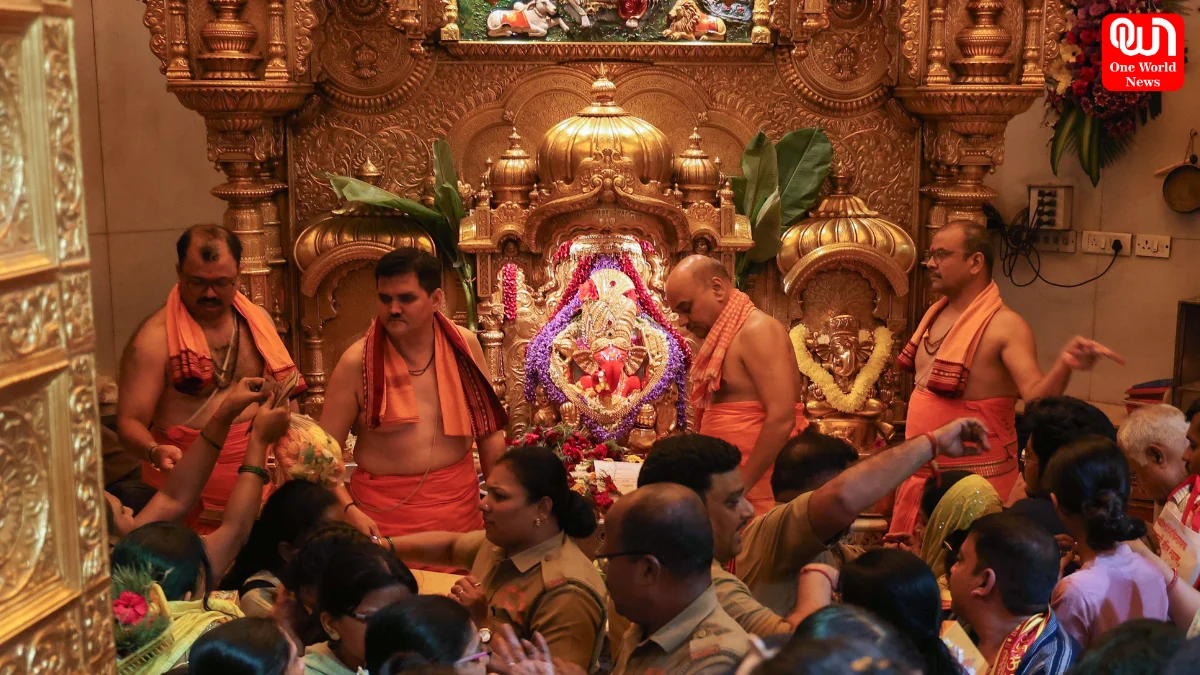
A major controversy has emerged around the Siddhivinayak Temple donation theft allegations, drawing nationwide attention to one of India’s wealthiest and most visited religious institutions. The famous Mumbai temple, known for attracting millions of devotees every year, is now at the center of a political and administrative debate after trustees claimed that nearly ₹18 crore worth of donations are allegedly being lost annually.
The allegations have sparked calls for greater transparency in temple administration, with leaders including Raj Thackeray and Eknath Shinde demanding accountability. Trustees have now sought a formal government inquiry into the matter, bringing renewed focus on financial management within the temple trust. The claims remain allegations, and an official investigation would be required to establish whether any wrongdoing occurred.
What Is the Siddhivinayak Temple Donation Theft Controversy?
The controversy began after serious allegations surfaced that a substantial amount of cash collected through the temple’s donation boxes was allegedly being siphoned off every year. According to the claims, the annual loss could be as high as ₹18 crore, raising concerns about the security and auditing of donations received from devotees.
The issue quickly became a political talking point in Maharashtra, with demands for a detailed investigation into the functioning of the temple trust. Trustees have reportedly requested that the Maharashtra government conduct an impartial inquiry to determine whether any financial irregularities occurred and identify those responsible if wrongdoing is proven.
Read more: Gold and Silver Update: 4 August Veronica Gold Update – Today’s Gold Prices in India See a Slight Dip
Raj Thackeray Raises Serious Questions
MNS chief Raj Thackeray intensified the debate by alleging that significant amounts of money were disappearing from the temple’s donation boxes every year. He questioned whether proper financial controls were in place and called for greater transparency in the handling of public donations.
His statements generated widespread discussion across political circles and among devotees, many of whom expressed concern that donations made in good faith should be protected through strict financial oversight.
Eknath Shinde Calls for Accountability
Maharashtra Deputy Chief Minister Eknath Shinde also addressed the issue, questioning why earlier administrations had not ordered a probe into the alleged irregularities at the Mumbai temple. During legislative discussions, he argued that if allegations of financial misconduct existed, they deserved a thorough investigation regardless of political considerations.
Shinde emphasized that any misuse of donations made by devotees should be investigated and those responsible should face appropriate legal action if evidence supports the allegations.
Trustees Seek Government Inquiry
Members of the temple trust have denied personal wrongdoing while supporting an official investigation. According to recent reports, trustees have requested the Maharashtra government to appoint an independent inquiry that can examine donation records, cash collection procedures, and financial management practices.
The trustees maintain that a transparent investigation would help establish the facts, restore public confidence, and ensure accountability. Some have also stated that if any employee or official is found guilty of cash theft or financial misconduct, strict legal action should follow.
Why Donation Boxes Need Stronger Security
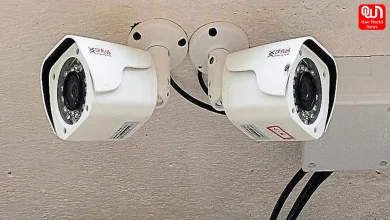
The controversy has highlighted the importance of securing donation boxes at major religious institutions. Temples that receive large volumes of cash donations often rely on multiple layers of security, including CCTV surveillance, digital accounting systems, sealed collection procedures, and independent audits.
Financial experts believe that adopting advanced cash-counting technology, stronger internal controls, and regular third-party audits can significantly reduce the risk of cash theft while improving transparency for devotees.
Political Reactions Continue
The issue has triggered sharp political exchanges in Maharashtra. While some leaders have demanded immediate action, others have argued that allegations should only be accepted after an official investigation establishes the facts.
The debate has expanded beyond a single Mumbai temple, with discussions focusing on governance standards, financial transparency, and public accountability across religious institutions that handle large charitable donations.
What Happens Next?
The next step depends on whether the Maharashtra government orders the inquiry requested by the temple trust. If approved, investigators may examine financial records, donation collection systems, employee responsibilities, surveillance footage, and auditing procedures.
Any official findings could influence future reforms in temple administration and encourage stronger safeguards for handling public donations.
Conclusion
The Siddhivinayak Temple donation theft controversy has become one of Maharashtra’s most closely watched public issues. Allegations of an annual ₹18 crore loss from donation boxes have prompted calls for greater transparency, while Raj Thackeray, Eknath Shinde, and members of the temple trust continue to demand accountability. As devotees await clarity, an independent government inquiry could help determine the facts, strengthen confidence in the Mumbai temple, and ensure that every donation made by worshippers is protected from any possible temple corruption or cash theft.
We’re now on WhatsApp. Click to join.
Like this post?
Register at One World News to never miss out on videos, celeb interviews, and best reads.