Could Trump’s 20% Strait Of Hormuz Toll Hit Your Fuel Bill? India Is Watching Closely
Could Trump's 20% Strait Of Hormuz Toll increase fuel prices in India? Learn how the proposal may impact oil imports, inflation, and your fuel bill.

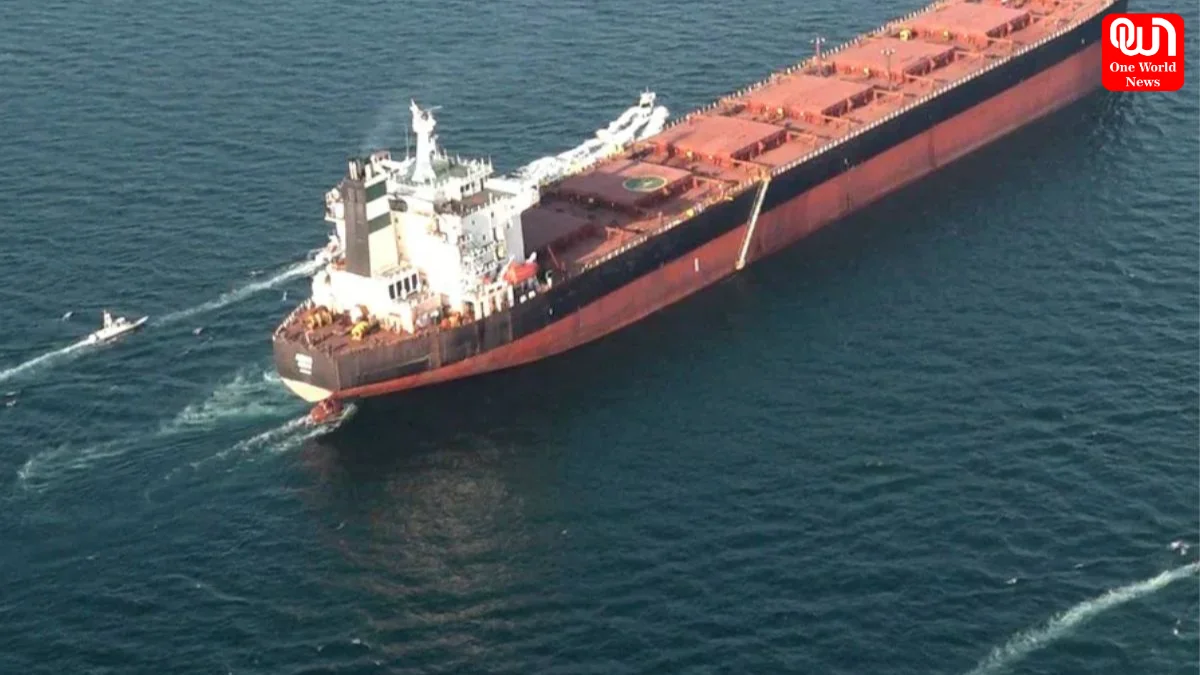
Could Trump’s 20% Strait Of Hormuz Toll Hit Your Fuel Bill? How Trump’s 20% Strait Of Hormuz Toll Could Impact India, Oil Prices, and the Global Economy
The global energy market is once again facing uncertainty after Trump’s 20% Strait Of Hormuz Toll proposal made headlines worldwide. The suggestion comes at a time when tensions in the Middle East are already affecting oil prices and international shipping. Since the Strait of Hormuz is one of the world’s busiest oil transit routes, any additional charge or disruption could have a ripple effect across global economies, including India.
For India, which imports a large portion of its crude oil, developments surrounding Trump’s 20% Strait Of Hormuz Toll are being closely monitored. Even a small increase in transportation costs can eventually affect petrol, diesel, LPG, and overall inflation.
What Is Trump’s 20% Strait Of Hormuz Toll?
President Donald Trump recently announced that the United States would seek to collect a 20% charge on cargo passing through the Strait of Hormuz as compensation for providing maritime security in the region. The proposal followed renewed tensions with Iran and the announcement of a U.S.-led blockade aimed at ensuring safe navigation through the strategic waterway.
Although the proposal has sparked political debate and international criticism, it has also raised important economic questions about who would ultimately bear the additional cost.
Why Is the Strait of Hormuz So Important?
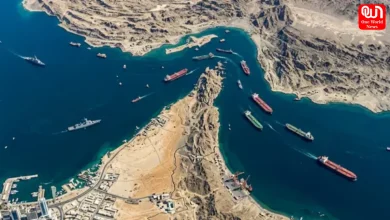
The Strait of Hormuz is a narrow waterway connecting the Persian Gulf with the Arabian Sea. Around one-fifth of the world’s oil and a significant amount of liquefied natural gas (LNG) passes through this route every day, making it one of the most important energy corridors on the planet.
Countries such as Saudi Arabia, the UAE, Kuwait, Iraq, and Qatar rely heavily on this shipping lane to export oil. Any disruption, conflict, or additional transit charge can immediately influence global crude oil prices.
How Could Trump’s 20% Strait Of Hormuz Toll Affect India?
India depends heavily on imported crude oil to meet its growing energy needs. A significant share of these imports travels through the Strait of Hormuz before reaching Indian ports.
If Trump’s 20% Strait Of Hormuz Toll were implemented, several impacts could follow:
- Higher shipping and insurance costs for oil tankers.
- Rising international crude oil prices.
- Increased import expenses for Indian oil companies.
- Potential increase in petrol, diesel, LPG, and aviation fuel prices.
- Additional inflationary pressure across various industries.
While fuel prices in India are influenced by several domestic factors, sustained increases in global crude prices often affect consumers over time.
Read more: India First Hydrogen Train: 5 Things You Need To Know Before Your First Ride
Could Indian Consumers See Higher Fuel Bills?
The answer depends on several factors.
If oil companies continue paying higher transportation costs over an extended period, those expenses may gradually be reflected in retail fuel prices. However, government policies, taxation, exchange rates, and oil company pricing strategies also play important roles in determining final prices at fuel stations.
In the short term, India may rely on strategic reserves, diversified sourcing, or policy measures to reduce the impact. But if tensions continue and oil remains expensive, consumers could eventually notice higher fuel costs.
India’s Response So Far
The Indian government has consistently emphasized the importance of free and safe navigation through the Strait of Hormuz. Officials have stated that India is closely monitoring developments while supporting uninterrupted global trade through this critical maritime route.
Energy security remains a top priority because any prolonged disruption could affect economic growth, inflation, transportation, and manufacturing costs.
What Are Global Markets Watching?
Financial markets reacted quickly to the latest developments. Oil traders are monitoring:
- Future military tensions in the Middle East.
- Possible implementation of Trump’s 20% Strait Of Hormuz Toll.
- Responses from Iran and other Gulf nations.
- Changes in shipping insurance premiums.
- Crude oil supply and demand balances.
Even speculation surrounding the proposal has increased market volatility because traders fear disruptions in one of the world’s most important energy routes.
Will the Toll Actually Be Implemented?
At this stage, the proposal remains highly controversial. International shipping through the Strait of Hormuz is governed by complex international maritime laws, and several countries have questioned whether such a toll could legally be imposed. Iran has also rejected the proposal, further increasing diplomatic tensions.
Experts believe that negotiations, geopolitical developments, and military activity will determine whether the proposal becomes reality or remains a political statement.
Read more: Tamil Nadu Bypolls: 10 AIADMK MLAs Could Hand Vijay’s TVK A Majority
Final Thoughts
Trump’s 20% Strait Of Hormuz Toll has become one of the most closely watched geopolitical developments affecting global energy markets. Although no immediate impact on Indian fuel prices is guaranteed, the proposal highlights how international conflicts can influence everyday expenses around the world.
For India, where imported oil plays a crucial role in the economy, maintaining secure and uninterrupted access through the Strait of Hormuz remains essential. As governments, shipping companies, and energy markets continue to assess the situation, Indian consumers and businesses will be watching closely to see whether this proposal eventually translates into higher fuel costs.
We’re now on WhatsApp. Click to join.
Like this post?
Register at One World News to never miss out on videos, celeb interviews, and best reads.