Indonesian President’s ‘I Have Indian DNA’ Claim Sparks Curiosity: What Genetic Ancestry Testing Can Really Reveal About Your Roots
Indonesian President's Indian DNA claim sparks interest. Discover how genetic ancestry testing reveals family roots, heritage, and migration history.

Indonesian President’s ‘I Have Indian DNA’ Claim Sparks Global Curiosity: How Genetic Ancestry Testing Reveals Family Origins, Ethnic Heritage, and Ancient Migration History
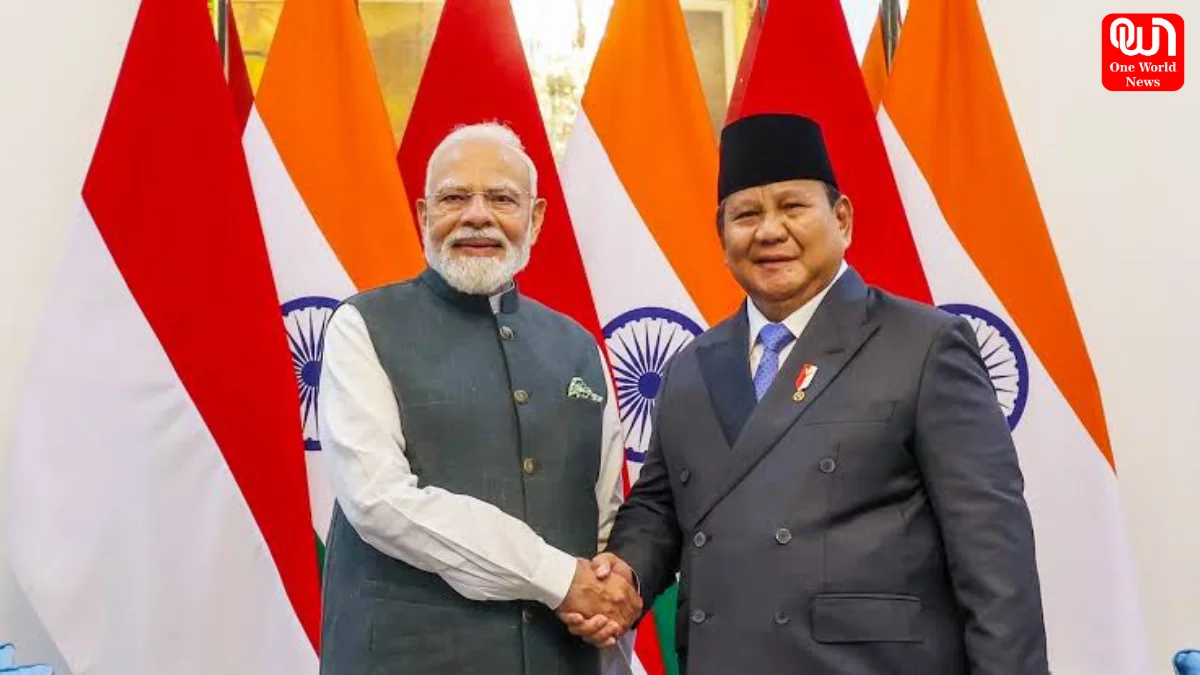
The Indonesian President, Prabowo Subianto, recently made headlines after revealing that a genetic test showed he has Indian ancestry. His statement, made during an event attended by Indian Prime Minister Narendra Modi, quickly went viral and sparked conversations across social media about family origins, DNA testing, and shared cultural history between nations. According to the Indonesian President, the genomic sequencing test suggested he carries Indian genetic ancestry, reinforcing the centuries-old historical connections between India and Indonesia.
But what exactly does a DNA ancestry test reveal? Can it accurately identify where your ancestors came from? Here’s everything you need to know.
Why the Indonesian President’s Statement Is Making Headlines
The Indonesian President explained that he underwent genomic sequencing before his official visit to India and discovered that part of his ancestry traces back to India. While speaking at an event celebrating India-Indonesia relations, he jokingly added that perhaps this explains why he enjoys Indian music so much. The remark received applause and highlighted the deep historical, cultural, and trade connections shared by the two countries for centuries.
His statement has also encouraged many people to learn more about genetic ancestry testing and how modern science uncovers family histories that stretch back hundreds or even thousands of years.
What Is Genetic Ancestry Testing?
Genetic ancestry testing is a type of DNA analysis that compares your genetic markers with large reference databases collected from populations around the world.
Instead of identifying a single nationality, these tests estimate the regions where your ancestors most likely originated. They analyze hundreds of thousands of genetic markers and compare them with individuals whose family histories are well documented.
The results usually include:
- Regional ancestry estimates
- Ethnic background percentages
- Ancient migration patterns
- Maternal and paternal lineage (depending on the test)
- Potential DNA relatives who have also taken the same test
How Does DNA Ancestry Testing Work?
Most ancestry tests require only a saliva sample or a cheek swab. Scientists then extract DNA and examine specific genetic variations known as SNPs (Single Nucleotide Polymorphisms).
Advanced computer algorithms compare these markers against massive international genetic databases. Based on similarities, the test estimates where different portions of your DNA may have originated.
Modern genomic sequencing can analyze nearly an individual’s complete DNA, making ancestry predictions more comprehensive than ever before.
Can a DNA Test Tell You Exactly Where Your Ancestors Came From?
Not exactly.
DNA ancestry reports provide statistical estimates rather than absolute facts. They indicate which modern populations your DNA most closely resembles based on available reference data.
For example, someone may discover:
- South Asian ancestry
- Southeast Asian ancestry
- European ancestry
- Middle Eastern ancestry
- African ancestry
The percentages can change slightly over time as testing companies update their databases with new genetic information.
Why India and Indonesia Share Historical Connections
The Indonesian President’s comments also highlight the long-standing historical relationship between India and Indonesia.
For thousands of years, merchants, scholars, and travelers crossed the Indian Ocean, carrying languages, traditions, religions, and cultural practices. Ancient Indian kingdoms influenced many parts of Southeast Asia, including Indonesia, where Sanskrit, Hindu epics like the Ramayana, and Buddhist traditions left a lasting impact.
Because populations have mixed over centuries through migration and trade, discovering shared genetic ancestry between people from India and Indonesia is scientifically plausible.
What Can Genetic Testing Reveal Beyond Ancestry?
Many modern DNA tests offer more than just family origins.
Depending on the service, they may also provide:
- Genetic health risk reports
- Carrier screening for inherited conditions
- Wellness insights
- Traits such as lactose tolerance or caffeine metabolism
- Connections with distant relatives
However, ancestry testing and medical genetic testing are not always the same, and consumers should understand what each service offers before taking a test.
Are DNA Ancestry Results Always Accurate?
DNA ancestry testing has become increasingly sophisticated, but no test is 100% perfect.
Several factors influence accuracy:
- Size of the company’s reference database
- Representation of different populations
- Ongoing improvements in genetic research
- Historical migration and population mixing
Because human populations have continuously migrated and intermarried throughout history, ancestry results should be viewed as informed estimates rather than definitive proof of nationality or ethnicity.
The Growing Interest in Personal Genetics
The Indonesian President’s viral statement has once again brought public attention to the fascinating world of personal genetics. Millions of people worldwide are now using DNA ancestry tests to better understand their heritage, connect with distant relatives, and explore their family’s migration story.
As genetic science continues to evolve, ancestry testing is becoming more detailed and accessible than ever before. While a DNA test cannot fully define a person’s identity, it offers valuable insights into the remarkable journey of human history, showing how interconnected populations have been across continents for thousands of years. The Indonesian President’s revelation serves as a reminder that our family histories often extend far beyond national borders, revealing unexpected connections that link cultures, civilizations, and generations across the globe.
We’re now on WhatsApp. Click to join.
Like this post?
Register at One World News to never miss out on videos, celeb interviews, and best reads.