Circuit Breaker Selection for Long-term Reliability: Minimizing Maintenance, Spares, and Replacement Cost Exposure
One of the key benefits of breaker solutions for long-term electrical reliability is improved protection coordination combined with reduced lifecycle maintenance demands.

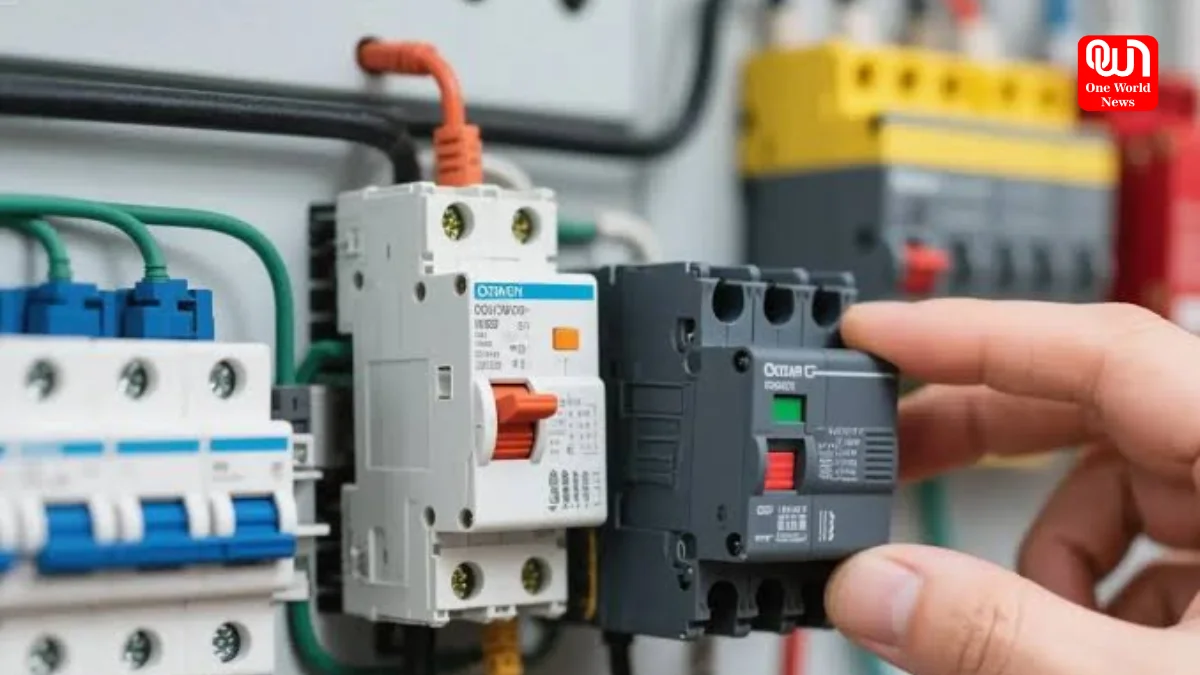
Circuit breakers are essential components in electrical protection systems, designed to interrupt fault currents and safeguard downstream equipment from damage. Selecting the right device goes beyond basic voltage and current ratings. It requires careful evaluation of short-circuit withstand capability, coordination with protection relays, and compliance with system fault level studies.
One of the key benefits of breaker solutions for long-term electrical reliability is improved protection coordination combined with reduced lifecycle maintenance demands. Well-engineered breaker solutions help maintain system stability during fault conditions, limit arc energy exposure, and reduce the likelihood of unexpected equipment failure.
Let’s learn about the advantages that directly support lower operational costs and improved system uptime over extended operating periods.
Evaluate Fault Levels and Interrupting Capacity
Accurate fault current calculation is the foundation of breaker selection. Electrical engineers assess prospective short-circuit levels to ensure that the breaker’s interrupting rating (kAIC or kAIC equivalent) is adequate for the system. Inadequate ratings can result in contact welding, thermal damage, or catastrophic failure during fault conditions.
Advanced breaker solutions are engineered with enhanced arc chute design, improved contact geometry, and high interrupting capability to safely extinguish arc faults.
Focus on Arc Flash Mitigation and Safety Design
Arc flash events can release extreme thermal energy and pressure waves, making mitigation a key design requirement in electrical systems. Proper breaker selection reduces incident energy by ensuring faster fault-clearing times and optimized protection settings.
Reliable breaker solutions integrate fast-operating mechanisms and optimized contact separation systems to minimize arc duration. This enhances personnel safety and reduces mechanical stress on busbars, insulation systems, and enclosure structures.
Ensure Protection Coordination and Selectivity
Selective coordination ensures that only the faulted section of an electrical network is isolated while upstream systems remain energized. This is achieved through precise adjustment of time-current curves, grading margins, and relay coordination studies.
Modern breaker solutions use electronic trip units with adjustable settings for long-time delay, short-time pickup, and instantaneous protection.
Many organizations also ask, “Which breaker solutions meet long-term reliability objectives without frequent maintenance, spares, or replacement cost exposure?” Vacuum Circuit Breakers (VCB), Gas Insulated Switchgear (GIS), advanced Air Circuit Breakers (ACB), and high-quality Molded Case Circuit Breakers (MCCB) are commonly selected because they combine dependable fault protection with long service life.
Their high interrupting capacity, low-wear designs, and intelligent protection features help maintain effective coordination and selectivity while reducing maintenance requirements and lifecycle replacement costs.
Consider Trip Unit Intelligence and Monitoring
The trip unit acts as the control center of a circuit breaker, continuously measuring current and initiating protective action when thresholds are exceeded. Advanced systems incorporate microprocessor-based trip units with digital metering, harmonic analysis, and thermal memory functions.
High-performance breaker solutions support condition-based monitoring, enabling early detection of overload trends, insulation stress, and abnormal load behavior. This reduces unplanned outages and improves asset management strategies.
Build a Reliable Plan for Load Growth and System Scalability
Selecting the right circuit breaker is a strategic engineering decision that directly impacts electrical safety, system reliability, and long-term lifecycle cost control. A well-chosen breaker not only protects equipment from faults and overloads but also supports operational continuity and regulatory compliance. Organizations that carefully assess fault current levels, coordination requirements, trip unit capabilities, environmental conditions, and maintenance needs can significantly reduce operational risks while improving overall system resilience.
High-quality breaker solutions contribute to stable power distribution, faster fault isolation, reduced downtime, and enhanced asset performance across industrial and commercial facilities. They also help minimize maintenance interventions and extend equipment service life.
To achieve these outcomes consistently, it is important to work with a reputable electrical brand. Established providers offer reliable electrical instruments, proven protection technologies, technical expertise, and long-term service support, ensuring dependable performance throughout the lifecycle of the electrical distribution system.
We’re now on WhatsApp. Click to join.
Like this post?
Register at One World News to never miss out on videos, celeb interviews, and best reads.