Rosemary Oil vs Hibiscus Oil for Hair Growth: Which One Is Better for Thickness?
Rosemary oil vs Hibiscus Oil for Hair Growth—discover benefits, science, and which oil is best for thickness, hair fall, and scalp health.

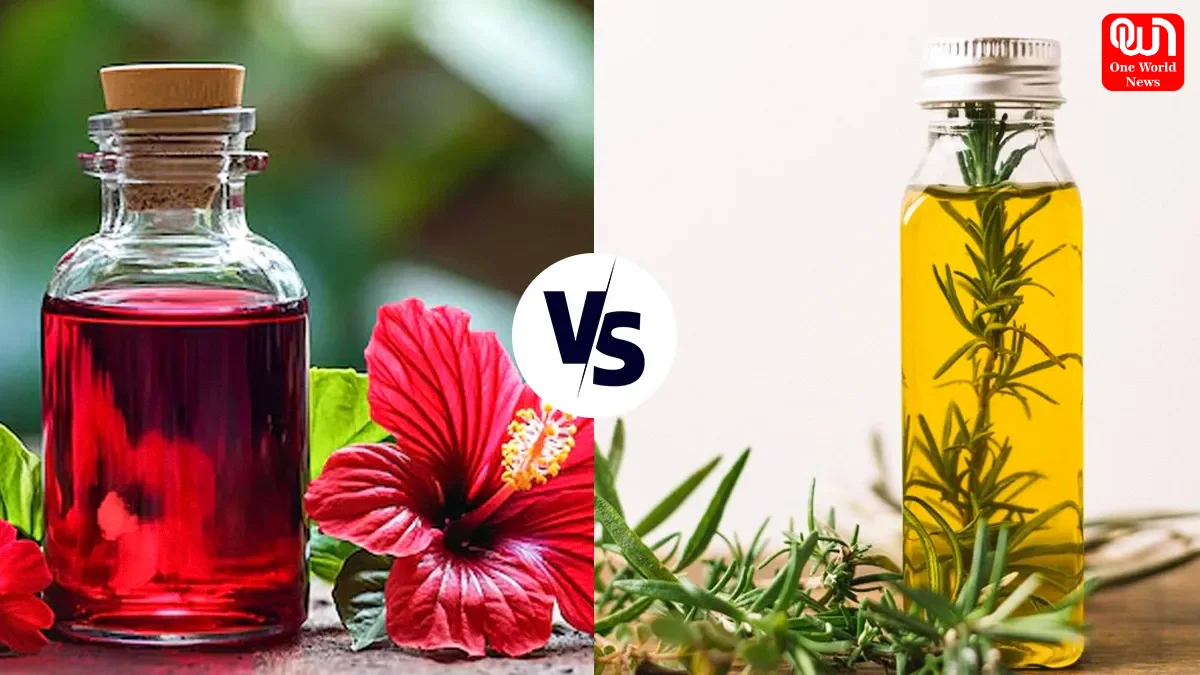
Rosemary Oil vs Hibiscus Oil: Which Is Better for Hair Growth, Thickness & Hair Fall Control?
When it comes to natural hair care, two ingredients dominate the conversation—rosemary oil and hibiscus oil. Both are widely used in DIY hair treatments and commercial products, but they work very differently.
If your goal is faster hair growth, reduced hair fall, and thicker strands, understanding how these oils function can help you choose the right one—or even combine them effectively.
What Makes Rosemary Oil Powerful for Hair Growth?
Rosemary oil has gained massive popularity due to its science-backed ability to stimulate hair growth. Unlike many natural oils that only condition the hair, rosemary oil actively works on the scalp.
Studies suggest that rosemary oil can improve blood circulation to hair follicles, which helps deliver oxygen and nutrients needed for growth.
Even more interesting, research has found that rosemary oil may perform similarly to minoxidil (a popular hair growth treatment) when used consistently.
A 2025 study also showed significant improvements in:
- Hair thickness (up to ~68%)
- Hair density
- Hair growth rate
Key Benefits of Rosemary Oil
- Stimulates dormant hair follicles
- Improves scalp circulation
- Reduces hair thinning
- Helps control dandruff and inflammation
👉 Best for: Hair regrowth, thinning hair, and scalp issues
What Makes Hibiscus Oil Effective for Hair Thickness?
Hibiscus oil, derived from the leaves and flowers of the hibiscus plant, is more focused on strengthening and nourishing hair strands rather than directly stimulating follicles.
Research shows hibiscus extracts can promote hair growth and improve follicle health, especially from the leaf extract, which appears more potent than the flower.
Hibiscus is rich in:
- Amino acids (keratin support)
- Vitamin C (collagen production)
- Natural conditioning agents
It works by reducing breakage and strengthening roots, which indirectly leads to thicker-looking hair.
Key Benefits of Hibiscus Oil
- Strengthens weak hair strands
- Reduces breakage and split ends
- Adds natural shine and softness
- Improves overall hair thickness
👉 Best for: Dry, damaged, or brittle hair
Reasd more: Aries 2026 Horoscope: Tarot Expert Predicts Bold Career Wins And Calls For Financial Discipline
Rosemary Oil vs Hibiscus Oil: Key Differences
| Feature | Rosemary Oil | Hibiscus Oil |
|---|---|---|
| Primary Function | Stimulates growth | Strengthens hair |
| Works On | Scalp & follicles | Hair shaft & roots |
| Best For | Hair loss, thinning | Thickness & damage repair |
| Scientific Evidence | Strong | Moderate |
| Speed of Results | Medium (3–6 months) | Gradual but visible |
Which Oil Is Better for Hair Growth?
If your main goal is actual hair regrowth, rosemary oil is the clear winner.
It targets the root cause of hair loss—poor circulation and inactive follicles—making it more effective for people dealing with:
- Hair thinning
- Bald patches
- Slow growth
👉 Verdict: Rosemary oil is better for hair growth
Which Oil Is Better for Hair Thickness?
If your hair is breaking, frizzy, or weak, hibiscus oil shines here.
It doesn’t necessarily grow new hair faster, but it makes existing hair:
- Stronger
- Fuller-looking
- Less prone to damage
👉 Verdict: Hibiscus oil is better for thickness
Can You Use Rosemary and Hibiscus Oil Together?
Yes—and this is actually the smartest approach.
These oils complement each other perfectly:
- Rosemary oil → stimulates growth
- Hibiscus oil → strengthens and thickens hair
A combination can:
- Reduce hair fall
- Improve scalp health
- Increase overall hair volume
In fact, herbal formulations often combine both ingredients to achieve balanced results.
How to Use Them for Best Results
Option 1: Oil Blend
Mix:
- 2–3 drops rosemary oil
- 1 tablespoon hibiscus oil (carrier)
Massage into scalp 2–3 times a week.
Option 2: Weekly Hair Mask
Combine hibiscus powder + oil + yogurt
→ Deep conditioning + strengthening
Option 3: Leave-in Treatment
Diluted rosemary oil spray for daily scalp stimulation
Final Verdict: Which One Should You Choose?
- Choose Rosemary oil if your goal is hair growth and reducing hair loss
- Choose Hibiscus oil if your goal is thicker, stronger, healthier hair
- Use both together for maximum results
Read more: Pisces Yearly Horoscope 2026: Best Year To Clear Debts, But Beware Of Emotional Lending
Conclusion
There’s no one-size-fits-all answer in hair care. While rosemary oil works at the root level to boost growth, hibiscus oil improves the quality and thickness of your hair strands.
For best results, consistency matters more than the product itself. Natural oils take time—but when used correctly, they can transform your hair health without harsh chemicals.
We’re now on WhatsApp. Click to join.
Like this post?
Register at One World News to never miss out on videos, celeb interviews, and best reads.