Why Do Your Pores Look Bigger? Common Causes and Skincare Solutions
Discover why your pores look bigger, what causes enlarged pores, and how proper skincare, gentle cleansing, and sun protection help minimize them.

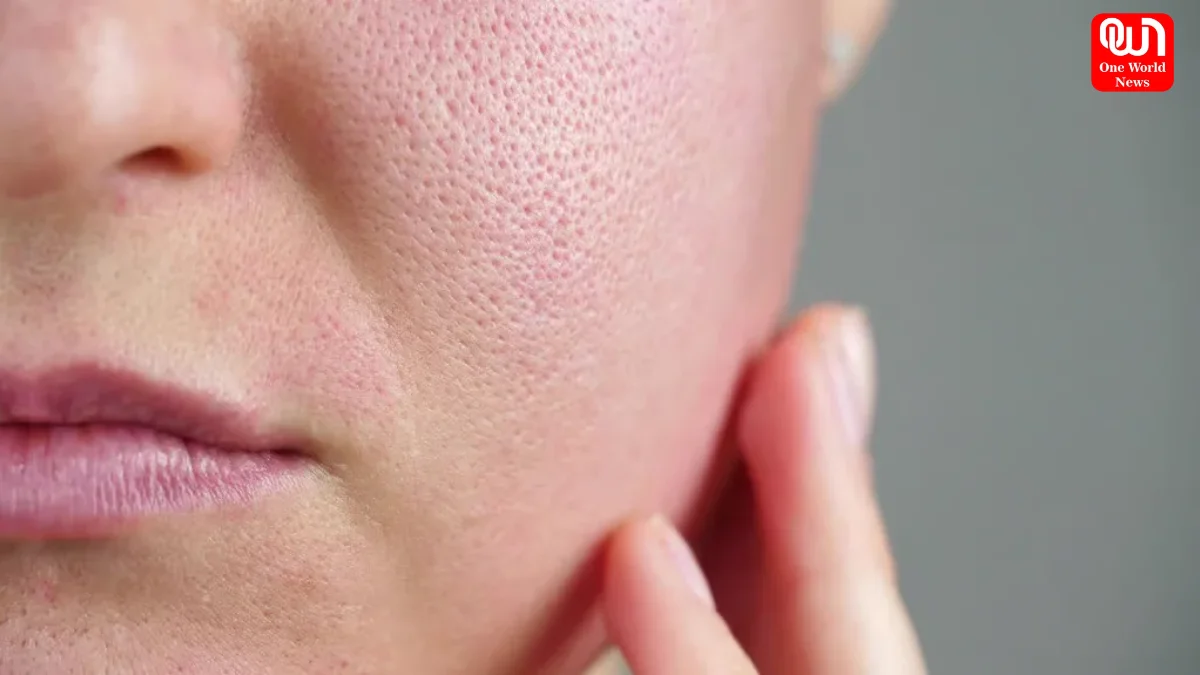
Why Do Your Pores Look Bigger? Discover the Common Causes, Skincare Mistakes, and Effective Ways to Minimize Their Appearance
Have you ever looked in the mirror and wondered why your pores suddenly appear more noticeable? Whether you have oily skin, occasional breakouts, or simply want a smoother complexion, visible pores are a common skincare concern. Although pores are a natural part of healthy skin, several factors can make them appear larger than usual.
From excess oil production and clogged pores to aging and sun exposure, understanding the underlying causes can help you develop a skincare routine that supports healthier-looking skin.
Let’s explore why your pores look bigger, what makes them more noticeable, and how you can minimize their appearance with simple skincare habits.
What Are Pores and Why Are They Important?
Pores are tiny openings on the surface of your skin that allow sweat and natural oils, known as sebum, to reach the skin’s surface. These openings help maintain skin hydration and support its natural protective barrier.
Every person has pores, but their visibility varies depending on genetics, skin type, age, and environmental factors.
According to dermatological research, excess sebum production, reduced skin elasticity, and changes in hair follicles are among the major factors associated with enlarged facial pores.
1. Excess Oil Production
One of the most common reasons your pores look bigger is excessive oil production. Your sebaceous glands produce sebum to keep your skin moisturized. However, when these glands become overactive, excess oil can accumulate around the pores.
This is particularly noticeable in people with oily or combination skin, especially around the nose, forehead, and chin.
Excess oil can also mix with dead skin cells, contributing to clogged pores and blackheads. As a result, the skin may appear uneven, shiny, and textured.
What can help? Use a gentle, non-comedogenic cleanser twice daily and choose lightweight skincare products that do not clog pores.
2. Clogged Pores and Dead Skin Cell Buildup
Another reason pores become more noticeable is the accumulation of oil, dirt, and dead skin cells.
When these substances collect inside pores, they can contribute to blackheads, whiteheads, and acne. Clogged pores may appear darker or more prominent, making the skin look less smooth.
Regular cleansing and gentle exfoliation can help remove surface buildup and support clearer-looking skin.
However, avoid aggressive scrubbing or squeezing blackheads, as these habits can irritate the skin and make pores more noticeable.
3. Aging and Loss of Skin Elasticity
Have you noticed that your pores appear more prominent as you get older? This can happen because your skin gradually loses collagen and elastin, proteins that help maintain its firmness and structure.
As skin becomes less firm, the openings around hair follicles may appear wider.
Read more: Tired of Skincare Guesswork? How AI Scanners Find What Your Skin Needs
Age-related changes can also affect the overall texture of your complexion, making pores more visible under certain lighting conditions.
A consistent skincare routine, including moisturizer and sun protection, can help maintain healthier-looking skin over time.
4. Sun Exposure and UV Damage
Spending time outdoors without adequate sun protection can contribute to premature skin aging.
Ultraviolet (UV) radiation damages collagen and elastin, reducing the skin’s structural support. As firmness decreases, pores may become more noticeable.
Long-term sun exposure can also contribute to uneven skin texture and other visible signs of aging.
Skincare tip: Apply broad-spectrum SPF 30 or higher sunscreen every morning, even on cloudy days, and reapply as directed when spending extended time outdoors.
5. Genetics and Hormonal Changes
Sometimes, larger-looking pores are simply part of your natural skin characteristics.
Genetics plays an important role in determining pore size, oil production, and skin type. If visible pores run in your family, you may naturally have more noticeable pores.
Hormonal fluctuations can also influence oil production. During puberty, for example, hormonal changes stimulate sebaceous glands, potentially increasing oiliness and making pores more visible.
Although genetics cannot be changed, a suitable skincare routine can help manage oiliness and reduce the appearance of clogged pores.
How to Make Your Pores Look Smaller
While you cannot permanently eliminate or completely close your pores, certain skincare practices can make them less noticeable.
Consider incorporating these habits into your routine:
-
Cleanse gently: Wash your face twice daily with a mild cleanser to remove excess oil and impurities.
-
Use salicylic acid: This ingredient can help unclog pores and manage blackheads.
-
Apply moisturizer: Choose lightweight, non-comedogenic formulas to maintain skin hydration.
-
Consider retinol: Retinol may improve skin texture and support collagen-related skin benefits. Introduce it gradually to minimize irritation.
-
Wear sunscreen: Daily sun protection helps prevent UV-related collagen damage.
-
Avoid harsh scrubbing: Excessive exfoliation can irritate your skin and make pores appear more prominent.
The American Academy of Dermatology recommends gentle skincare, non-comedogenic products, and consistent sun protection for managing the appearance of enlarged facial pores.
Frequently Asked Questions About Pores
Can pores permanently shrink?
Pore size is largely influenced by genetics and natural skin structure. However, keeping pores clear, managing excess oil, and protecting collagen can help minimize their appearance.
Does oily skin make pores look bigger?
Yes. Excess oil can accumulate around pores and contribute to clogging, making them appear more noticeable.
Does washing your face frequently reduce pore size?
Gentle cleansing twice daily can help remove excess oil and buildup. Overwashing or aggressive scrubbing may irritate your skin and worsen the appearance of pores.
When should you consult a dermatologist?
If enlarged pores accompany persistent acne, irritation, painful breakouts, or noticeable skin changes, consult a qualified dermatologist for personalized advice.
Final Thoughts
Understanding why your pores look bigger is the first step toward building an effective skincare routine. Excess oil, clogged pores, aging, sun exposure, and genetics can all influence their appearance.
Although pores are completely natural and cannot be permanently eliminated, gentle cleansing, appropriate skincare ingredients, moisturization, and daily sunscreen can help maintain smoother-looking skin.
Remember, healthy skin does not mean poreless skin. A consistent, skin-friendly routine is more valuable than chasing unrealistic perfection.
We’re now on WhatsApp. Click to join.
Like this post?
Register at One World News to never miss out on videos, celeb interviews, and best reads.