
Tired of Skincare Guesswork? How AI Scanners Find What Your Skin Needs
Discover how AI skin analysis and smart skin scanner tools use skincare technology to personalize routines and shape the future of personal care.

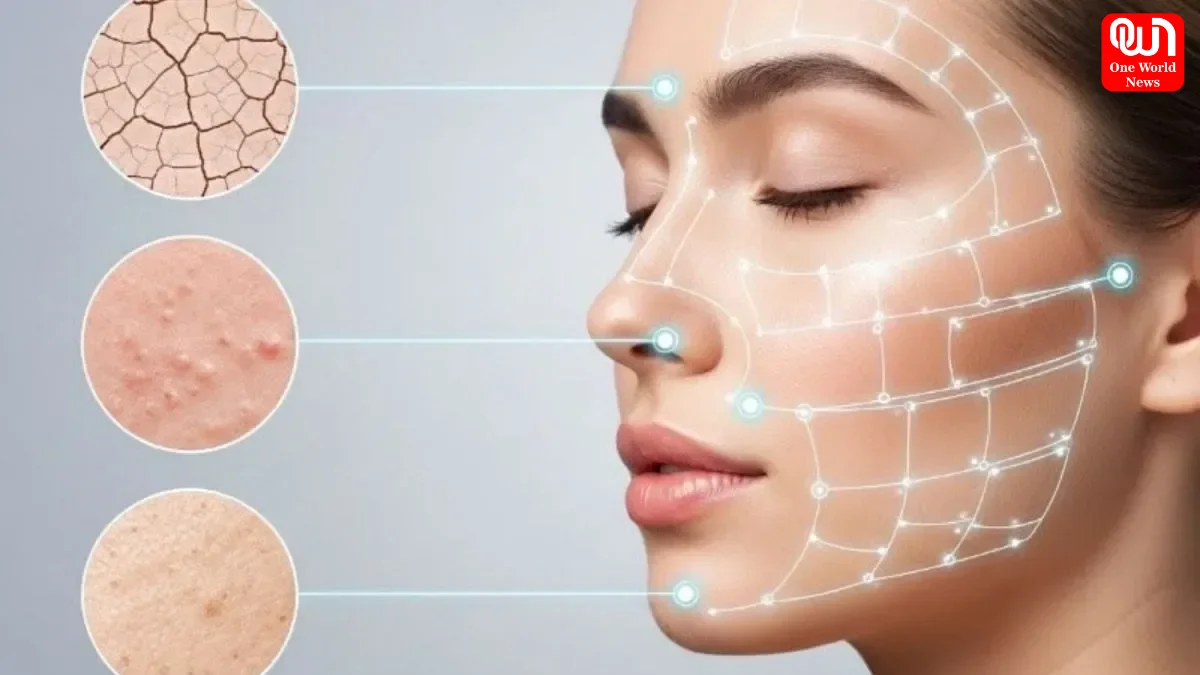
Tired of Skincare Guesswork? Discover How AI Skin Analysis, Skincare Technology, and Smart Skin Scanner Tools Create a Personalized Skincare Routine
Choosing skincare products can sometimes feel like solving a puzzle. One serum promises brighter skin, another targets pores, while a moisturizer claims to fix dryness. With so many choices, it is easy to build a routine based on trends rather than what your skin actually needs.
This is where AI skin analysis is changing the way people approach beauty. Instead of relying only on visual inspection or generic skin-type quizzes, modern digital tools can analyze a facial image and identify visible characteristics such as texture, pigmentation, redness, oiliness, acne and other concerns. Some platforms can then turn these observations into personalized skincare suggestions.
What Is AI Skin Analysis?
AI skin analysis uses artificial intelligence and computer vision to examine photographs or selfies of the face. The technology looks for visible patterns and measurements that may be difficult to track consistently with the naked eye.
A typical smart skin scanner may evaluate areas such as:
- Skin texture and unevenness
- Visible pigmentation
- Oiliness and dryness
- Redness
- Acne and blemishes
- Fine lines and visible signs of aging
- Overall skin tone and appearance
The exact features vary between platforms. Some applications provide a report, while others combine the results with lifestyle questions, product information and routine-building features.
How Does a Smart Skin Scanner Work?
The process is generally simple. A user takes or uploads a clear facial photograph, and the system processes the image using an AI model. The software identifies visible characteristics and compares them with patterns learned from training data.
For example, L’Oréal has described an AI-powered digital skin diagnostic developed with ModiFace using extensive research and image datasets related to skin aging. Its technology was developed with dermatological expertise and tested across different groups and lighting conditions.
Modern platforms can also use repeated scans to help users observe changes over time. This makes the technology useful not only for an initial assessment but also for tracking whether a routine appears to be producing visible changes.
From Skin Scan to Personalized Skincare Routine
One of the biggest attractions of AI beauty tools is that they can transform analysis into practical recommendations. Rather than simply telling someone that their skin appears dry or uneven, some tools organize recommendations into morning and evening steps.
Read more: Arabic Language Day 2026: Celebrating Arabic Language, Culture and Diversity
A personalized skincare routine might include categories such as cleanser, moisturizer, sunscreen and targeted treatments. The objective is to make skincare easier to understand by connecting products and habits with specific visible concerns.
This approach is also contributing to wider digital beauty trends, where consumers increasingly expect technology to provide more customized experiences instead of one-size-fits-all recommendations. Current AI skincare apps can combine skin scanning, progress tracking, routine creation and even product or ingredient analysis in one platform.
Why Skincare Technology Is Becoming Popular
Convenience is a major reason behind the growth of skincare technology. Consumers can perform an assessment at home using a smartphone rather than depending entirely on physical beauty consultations.
Personalization is another important factor. Two people may have completely different concerns even if both describe their skin as “combination” or “dry.” AI-based tools attempt to look beyond simple categories and focus on multiple visible characteristics.
The technology is also becoming part of the broader future of personal care, where smartphones, connected devices and AI can help consumers understand their routines and monitor changes more systematically.
AI Scanners Have Important Limitations
AI skin analysis can be useful, but it should not be treated as a replacement for a dermatologist. Image-based results can be influenced by lighting, camera quality, facial angle, image resolution and other factors. The European Academy of Dermatology and Venereology has specifically highlighted concerns around image quality, device differences, validation and performance across different skin tones.
Research has also found limitations in AI dermatology applications. A recent study testing several apps on diverse skin images reported low diagnostic accuracy and concluded that such applications should not be used as standalone diagnostic tools.
Therefore, a skincare diagnostic app should generally be viewed as a tool for skincare awareness and routine planning rather than a medical diagnosis system.
What Is the Future of AI Skincare?
The next stage of AI-powered beauty is likely to focus on more personalized, continuous and data-driven experiences. Instead of performing one scan and receiving a fixed recommendation, future systems may increasingly combine repeated images, routine information, environmental factors and product usage to provide more dynamic guidance.
At the same time, privacy, transparency, diverse training data and independent validation will remain important. Users should understand what information an app collects, how photographs are handled and whether its claims have been properly validated.
Read more: Goa Liberation Day 2026: History, Significance, Celebrations and Why December 19 Matters
Conclusion
The rise of AI skin analysis marks a shift from skincare guesswork toward technology-assisted personalization. A smart skin scanner can help users identify visible skin concerns, organize information and build a more structured routine.
However, AI should complement—not replace—professional dermatological advice when someone has a persistent, unusual or potentially medical skin concern. As AI beauty tools, skincare technology and personalized digital services continue developing, they could play an increasingly visible role in the future of personal care—provided convenience is matched with accuracy, privacy and responsible use.
We’re now on WhatsApp. Click to join.
Like this post?
Register at One World News to never miss out on videos, celeb interviews, and best reads.