
Child Labor Day 2026: Raising Awareness and Protecting Every Child’s Future
Child Labor Day 2026 highlights the fight against child labor, its causes, impact, and global efforts to ensure every child gets education.

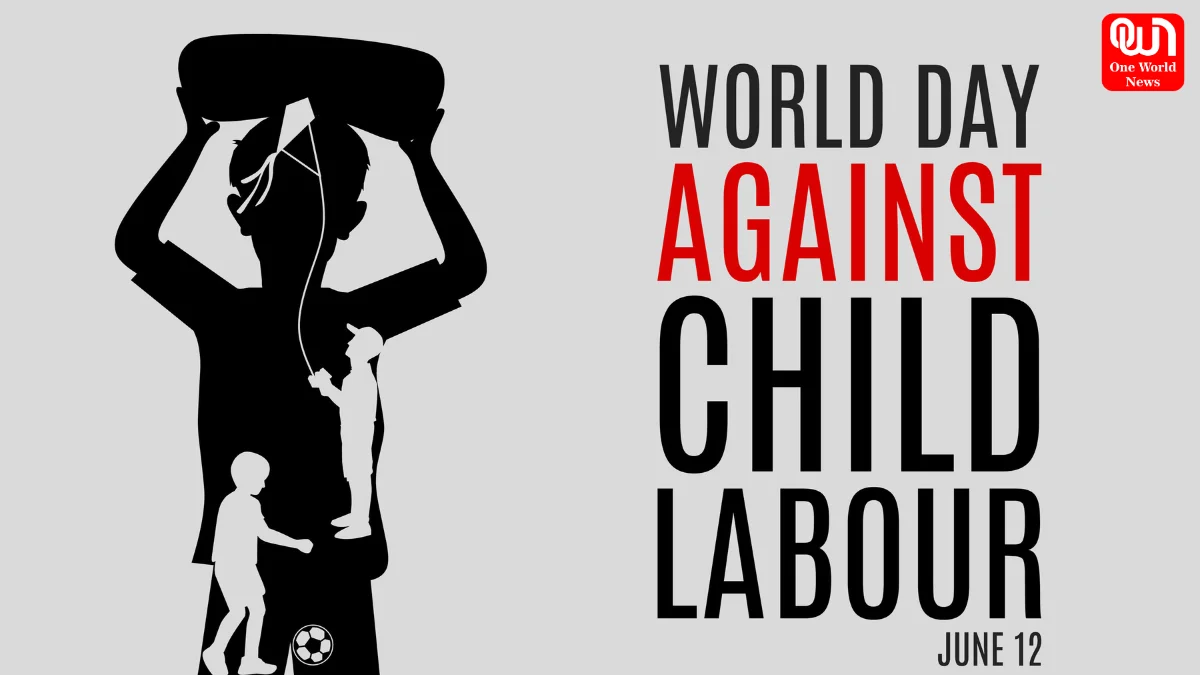
Child Labor Day 2026: Understanding the Reality, Causes, and Global Efforts to End Child Labor
Child Labor Day 2026, observed on June 12, serves as a powerful reminder of the millions of children around the world who are deprived of their childhood, education, and basic rights. This day is not just about awareness—it is about action. Governments, organizations, and individuals come together to address the harsh realities of child labor and work toward a future where every child can grow, learn, and thrive in a safe environment.
Despite significant progress over the years, child labor continues to exist in many parts of the world. According to global estimates, millions of children are still engaged in work that is harmful to their physical and mental development. Child Labor Day 2026 emphasizes the urgent need to accelerate efforts to eliminate this issue completely.
What is Child Labor?
Child labor refers to work that deprives children of their childhood, potential, and dignity. It interferes with their schooling and is often dangerous or exploitative. Not all work done by children is considered child labor. Helping parents at home or working part-time in safe conditions may not be harmful. However, when work becomes hazardous, excessive, or prevents education, it crosses the line into child labor.
Read more: World Caring Day 2026: Spreading Kindness, Compassion, and Human Connection
Causes of Child Labor
Understanding the root causes is essential to tackling the problem effectively. Poverty remains the biggest driver of child labor. Families struggling to survive often rely on their children to contribute financially. Lack of access to quality education also plays a major role. When schools are unavailable or unaffordable, children are more likely to enter the workforce.
Social and cultural factors can also contribute. In some communities, child labor is normalized or even expected. Additionally, weak enforcement of labor laws allows exploitation to continue unchecked.
Impact on Children
The effects of child labor are long-lasting and devastating. Children engaged in labor often face physical risks, including injuries and exposure to harmful substances. Mental health is also affected, as many children experience stress, fear, and lack of emotional support.
Education is one of the biggest casualties. Children who work long hours are unable to attend school regularly or perform well academically. This limits their future opportunities and traps them in a cycle of poverty.
Global Efforts to End Child Labor
Child Labor Day 2026 highlights the collective efforts being made worldwide to eliminate child labor. Governments are implementing stricter laws and policies to protect children. International organizations are working to provide education, healthcare, and support to vulnerable families.
Campaigns and awareness programs play a crucial role in changing societal attitudes. Businesses are also being encouraged to ensure their supply chains are free from child labor. Ethical practices and responsible sourcing are becoming increasingly important in the global economy.
Role of Education
Education is one of the most powerful tools in the fight against child labor. When children have access to free and quality education, they are less likely to be forced into work. Schools provide not only knowledge but also a safe space for children to grow and develop.
Investing in education helps break the cycle of poverty and empowers future generations. Child Labor Day 2026 emphasizes the importance of making education accessible to every child, regardless of their background.
What Can We Do?
Ending child labor requires collective action. Individuals can contribute by supporting organizations that work for child welfare, spreading awareness, and making ethical choices as consumers. Governments must continue to strengthen laws and ensure strict enforcement.
Communities also play a vital role. By valuing education and protecting children’s rights, societies can create an environment where child labor is no longer accepted.
read more: Belmont Stakes 2026: Everything You Need to Know About the Final Jewel of the Triple Crown
Conclusion
Child Labor Day 2026 is not just a date on the calendar—it is a call to action. It reminds us of our shared responsibility to protect children and ensure they have the opportunity to live a healthy, educated, and fulfilling life. Every child deserves a future filled with hope, not hardship.
By working together, we can move closer to a world where child labor is eradicated, and every child is free to dream, learn, and succeed.
We’re now on WhatsApp. Click to join.
Like this post?
Register at One World News to never miss out on videos, celeb interviews, and best reads.