Iran Rejects US Ceasefire Plan, Proposal To Permanently End War
Iran Rejects US Ceasefire Plan, offering a 10-point Proposal To Permanently End War, demanding sanctions relief, security guarantees, and stability


Iran Rejects US Ceasefire Plan, Presents 10-Point Proposal To Permanently End War Amid Rising Tensions
Iran has formally rejected a United States-backed ceasefire proposal, choosing instead to present a comprehensive 10-point plan aimed at achieving a permanent end to the ongoing conflict. The move marks a significant escalation in diplomatic tensions and highlights Tehran’s insistence on long-term structural solutions rather than temporary pauses in hostilities.
According to multiple reports, Iran conveyed its response through diplomatic intermediaries, particularly Pakistan, which has been actively mediating between the two sides. Tehran’s position is clear: a short-term ceasefire is insufficient and does not address the root causes of the conflict. Instead, Iran is pushing for a broader agreement that ensures lasting peace and stability in the region.
At the heart of the issue lies a fundamental difference in approach. The United States had proposed a ceasefire framework intended to temporarily halt fighting and create space for further negotiations. However, Iran views such measures as superficial and potentially ineffective. Iranian officials argue that past ceasefires have failed to prevent renewed hostilities, making a permanent resolution the only viable path forward.
Read more: Gold and Silver Prices Fall Today: MCX and Global Market Update
Iran’s counterproposal consists of ten key points, each designed to address both immediate and long-term concerns. Among the most prominent demands is a complete end to regional conflicts involving Iran and its allies. Tehran is also calling for the lifting of international sanctions, which it sees as a major obstacle to peace and economic recovery.
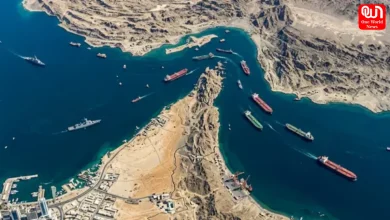
Another critical element of the proposal is the establishment of a secure protocol for navigation through the Strait of Hormuz, a vital global oil route that has been heavily impacted by the conflict. Ensuring safe passage through this strategic waterway is not only essential for regional stability but also for the global economy, as disruptions have already caused significant fluctuations in oil prices.
In addition to security and economic measures, Iran’s plan includes provisions for post-war reconstruction. The country is seeking international support to rebuild infrastructure damaged during the conflict, signaling its intent to move beyond war toward recovery and development.
The rejection of the ceasefire comes at a time of heightened tensions, with ongoing military actions and strong rhetoric from both sides. Reports indicate that the United States has expressed dissatisfaction with Iran’s proposal, describing it as insufficient to meet its strategic objectives. Meanwhile, Iran has warned that it will continue military operations unless its conditions are met.
This diplomatic standoff underscores the deep mistrust between the two nations. While the United States seeks immediate de-escalation through a ceasefire, Iran is focused on securing guarantees that would prevent future conflicts. The gap between these positions has made negotiations increasingly complex and uncertain.
International mediators, including Pakistan and other regional actors, continue to play a crucial role in facilitating dialogue. Their efforts are aimed at bridging the divide and finding common ground that could lead to a mutually acceptable agreement. However, with both sides firmly holding their positions, the path to peace remains challenging.
Read more: Political Roundup: Key Headlines from India and Around the World
The situation also has broader implications for the Middle East and the global community. Prolonged conflict risks further destabilizing the region, impacting trade routes, energy supplies, and geopolitical alliances. As such, the outcome of these negotiations will be closely watched by countries around the world.
In conclusion, Iran’s decision to reject the US ceasefire plan and present its own 10-point proposal reflects a strategic shift toward demanding a permanent end to war rather than temporary solutions. While this approach emphasizes long-term stability, it also raises the stakes in an already volatile situation. Whether this bold move will lead to meaningful progress or further escalation remains to be seen, but it undeniably reshapes the dynamics of ongoing peace efforts.
We’re now on WhatsApp. Click to join.
Like this post?
Register at One World News to never miss out on videos, celeb interviews, and best reads.