
Into the Bloom: How to Grow Clove Plant at Home
Learn planting cloves at home with simple steps, soil tips, climate needs, and care methods to grow a healthy clove plant naturally.

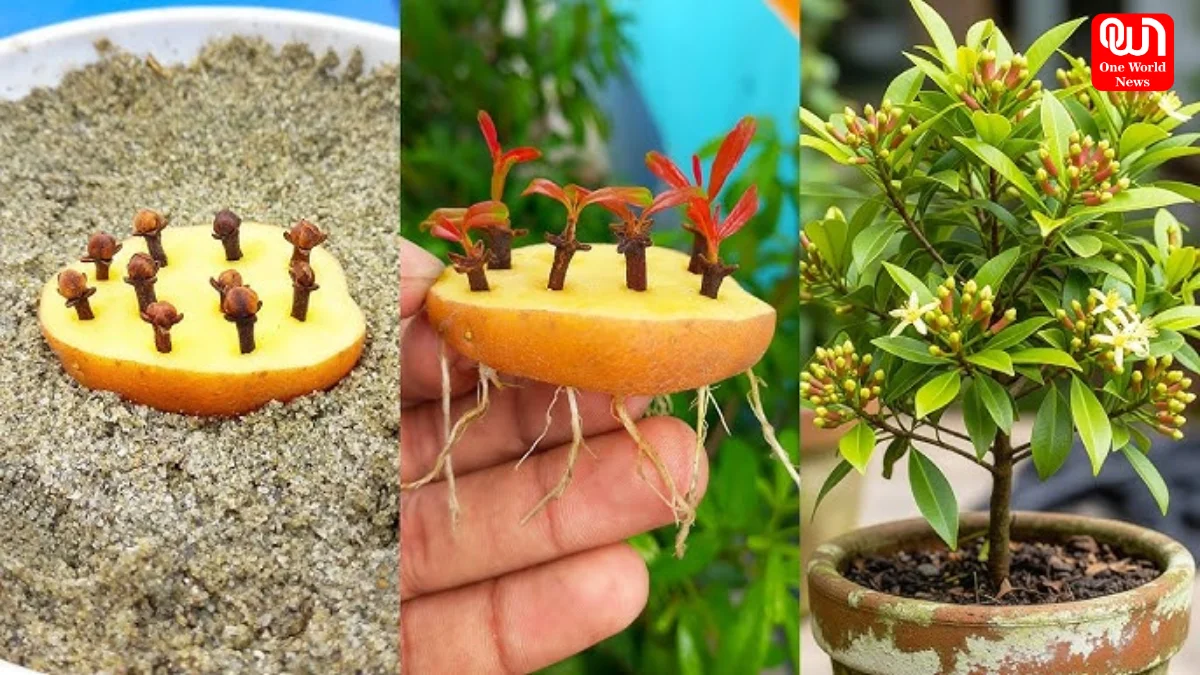
Into the Bloom: How to Grow Clove Plant at Home With Simple Steps and Care Tips
Growing spices at home is both rewarding and practical, and few spices are as valuable as cloves. Known for their strong aroma and medicinal properties, cloves come from the dried flower buds of the clove plant. While clove trees are native to tropical regions, with patience and the right conditions, planting cloves at home is entirely possible.
This guide walks you through everything you need to know to grow a clove plant successfully at home.
Understanding the Clove Plant
Cloves are harvested from the clove tree, an evergreen plant that thrives in warm, humid climates. In nature, the tree can grow quite tall, but when grown at home — especially in pots — its size can be managed with proper care and pruning.
It’s important to understand that clove plants grow slowly. They require consistency and patience, but once established, they can live for decades.
Choosing the Right Cloves for Planting
Not all cloves found in kitchens can be used for planting. Most dried cloves sold commercially are treated and no longer viable. For successful planting cloves, you need fresh, untreated cloves that still contain moisture.
These are usually available from nurseries or specialty spice growers. Fresh cloves are darker, slightly soft, and aromatic.
Climate and Location Requirements
Clove plants prefer a warm, tropical environment. They grow best in temperatures between 20°C and 30°C with high humidity.
If you live in a cooler region, growing cloves indoors or in a greenhouse is recommended. Choose a location that receives indirect sunlight. Direct, harsh sun can damage young plants, while complete shade can slow growth.
Soil Preparation for Healthy Growth
Soil quality plays a critical role in planting cloves. The soil should be rich, well-draining, and slightly acidic. A mix of garden soil, compost, and sand works well.
Good drainage is essential, as clove plants do not tolerate waterlogged soil. Using pots with drainage holes can help prevent root rot.
How to Plant Cloves at Home
To begin planting, soak fresh cloves in water overnight. This helps activate the seed and improves germination.
Plant the clove about one inch deep in moist soil, with the pointed end facing upward. Cover lightly with soil and water gently. Keep the soil consistently moist but not soggy.
Germination can take several weeks, so patience is key.
Watering and Daily Care
Clove plants require regular watering, especially during the early stages of growth. The soil should remain moist, but overwatering must be avoided.
Mist the plant occasionally to maintain humidity, particularly if growing indoors. Dry air can slow growth and cause leaf drop.
Read more: Delhi-NCR Shivers as Temperature Falls to 3°C, Dense Fog Triggers IMD Alert
Fertilizing the Clove Plant
Organic compost or natural fertilizers work best for clove plants. Feeding the plant every few weeks during the growing season supports healthy leaf and root development.
Avoid excessive fertilization, as it can harm the plant rather than help it.
Growth Timeline and Expectations
One important thing to understand about planting cloves is the long timeline. Clove plants can take several years to mature and even longer to produce flower buds.
While this may seem discouraging, many home gardeners grow clove plants for their lush green foliage and aromatic leaves, even before harvesting cloves.
Common Challenges and Tips
Clove plants can be sensitive to temperature changes, pests, and overwatering. Yellowing leaves often indicate poor drainage, while slow growth may result from insufficient warmth or nutrients.
Regularly inspect the plant and adjust care as needed. Consistency is more important than frequent changes.
Why Grow Cloves at Home?
Growing cloves at home connects you to the source of a spice often taken for granted. It encourages sustainable living, reduces dependence on store-bought spices, and adds beauty to your garden or home.
Even if harvesting cloves takes time, the process itself is deeply satisfying.
Read more: Inside Mary Kom Divorce: From Private Separation to Public Battle
Final Thoughts
Into the Bloom truly captures the journey of growing a clove plant. Planting cloves at home is not a quick project, but it is a meaningful one. With patience, care, and the right environment, you can nurture a plant that offers both beauty and value for years to come.
For gardeners who enjoy slow-growing, rewarding plants, cloves are a perfect choice.
We’re now on WhatsApp. Click to join.
Like this post?
Register at One World News to never miss out on videos, celeb interviews, and best reads.