Imhotep: The Genius Behind Egypt’s First Pyramid
Discover Imhotep, architect of Egypt’s first pyramid. Imhotep shaped history as a healer, scholar, and timeless legend of ancient Egypt.

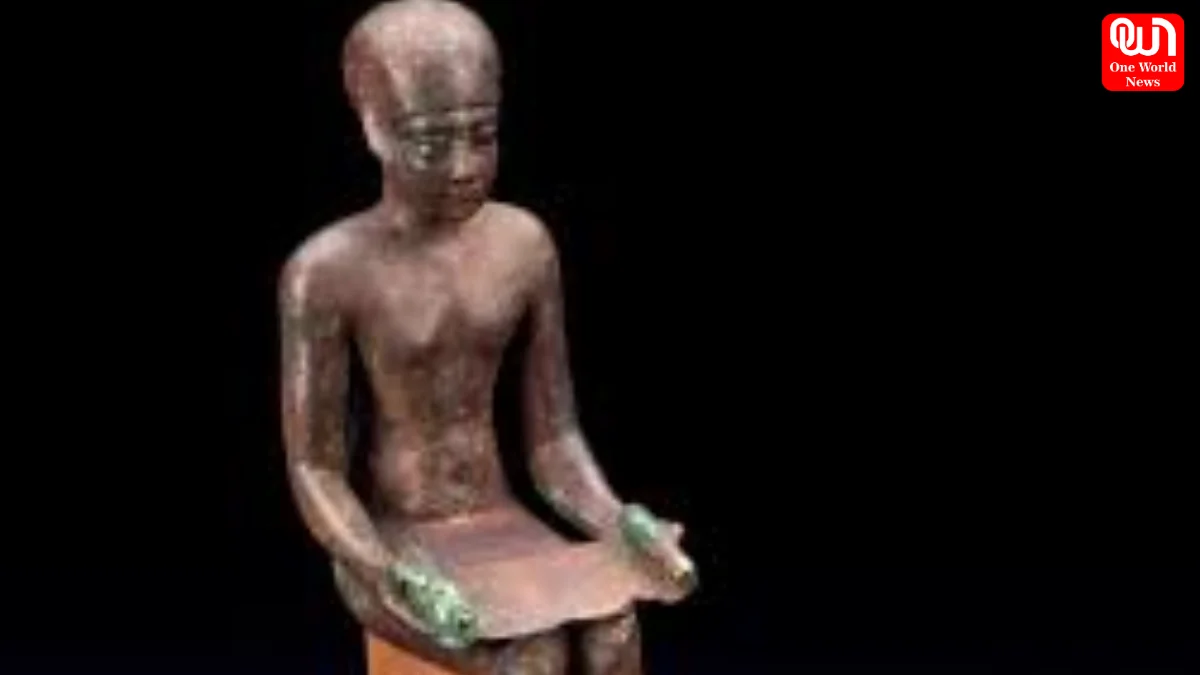
Imhotep – The Visionary Architect, Healer, and Scholar Who Built Egypt’s First Pyramid and Became a God of Wisdom
As of February 2026, when we look back at the wonders of ancient civilizations, one name continues to echo through history — Imhotep. I am Apoorva, and today we step back into the golden sands of time to remember a man who built not just monuments — but immortality.
His name was Imhotep.
Today, when the world speaks of pyramids, it speaks of mystery. Towering stone structures rising from the desert, symbols of power and eternity. But today, we speak of the mind behind the first one — the visionary who transformed imagination into stone more than 4,600 years ago.
In the ancient land of Egypt, during the Third Dynasty, Imhotep rose from humble beginnings to become the royal architect and trusted advisor to Pharaoh Djoser. Unlike many figures of antiquity who were born into privilege, Imhotep’s ascent was driven by intellect, innovation, and extraordinary skill. History remembers him as the mastermind who designed the Step Pyramid of Saqqara — the first monumental stone structure ever built by humanity.
Read more: Arvind Kejriwal, Manish Sisodia Cleared By Delhi Court in Liquor Policy Case
Before Imhotep, royal tombs were constructed from mudbrick and known as mastabas. They were impressive, but limited in scale. Imhotep revolutionized architecture by stacking mastabas in diminishing sizes to create a step-like pyramid structure. This bold engineering leap marked the beginning of pyramid construction in ancient Egypt and changed architectural history forever.
The Step Pyramid of Saqqara was not just a tomb; it was a statement. It symbolized divine authority, permanence, and technological advancement. Built entirely from stone blocks, it set a precedent for the later pyramids of Giza. Without Imhotep’s daring vision, the iconic pyramids that define Egypt today may never have existed.
But Imhotep was not just an architect.
He was a healer. Ancient texts attribute medical knowledge and healing practices to him, and later generations revered him as a pioneer of medicine. Centuries after his death, Egyptians worshipped Imhotep as a god of wisdom and medicine. Temples were built in his honor, and he was associated with healing sanctuaries where the sick sought cures and divine guidance.
He was also a scholar and philosopher — a thinker whose influence extended beyond engineering and medicine. In a civilization that valued knowledge and cosmic order, Imhotep embodied intellectual excellence. His wisdom became legendary, and over time, stories of his brilliance elevated him from historical figure to mythic presence.
Today, imagine a man whose ideas were so powerful that they defied time itself. A man who carved stone into eternity. A man whose legacy still stands against the desert winds.
The Step Pyramid remains a testament to human ambition and ingenuity. Though weathered by millennia of sandstorms and shifting empires, it continues to command awe. And behind it stands the enduring legacy of Imhotep — proof that true genius transcends generations.
What makes Imhotep’s story even more extraordinary is that he is one of the earliest known individuals in recorded history whose name has survived. In a time when many builders and laborers remained anonymous, his identity endured for thousands of years. That alone speaks to the magnitude of his impact.
Today, as we admire the wonders of the ancient world — from pyramids to temples — we often focus on kings and conquerors. Yet it was minds like Imhotep’s that turned royal ambition into physical reality. He represents the power of intellect over inheritance, of creativity over circumstance.
Rrwad more: Gold And Silver Price Today: Indian Bullion Market Update
In modern discussions about innovation and legacy, Imhotep stands as one of humanity’s first great polymaths — a master of multiple disciplines whose contributions shaped an entire civilization. His transformation from royal advisor to deified legend illustrates how deeply ancient Egyptians valued wisdom and knowledge.
Today, history speaks softly — but legends like Imhotep speak forever.
As we reflect on forgotten legends, let us remember not only the monuments, but the minds that built them. Let us honor the thinkers, dreamers, and creators who shaped the foundations of human progress.
I am Apoorva, and today you are watching One World News.
Stay curious. Stay inspired.
We’re now on WhatsApp. Click to join.
Like this post?
Register at One World News to never miss out on videos, celeb interviews, and best reads.