Back from Your Trip? Here’s How to Sell Forex at the Best Rates Without Getting Shortchanged
Travellers often return from international trips with unused foreign currency notes or a remaining balance on their forex cards.

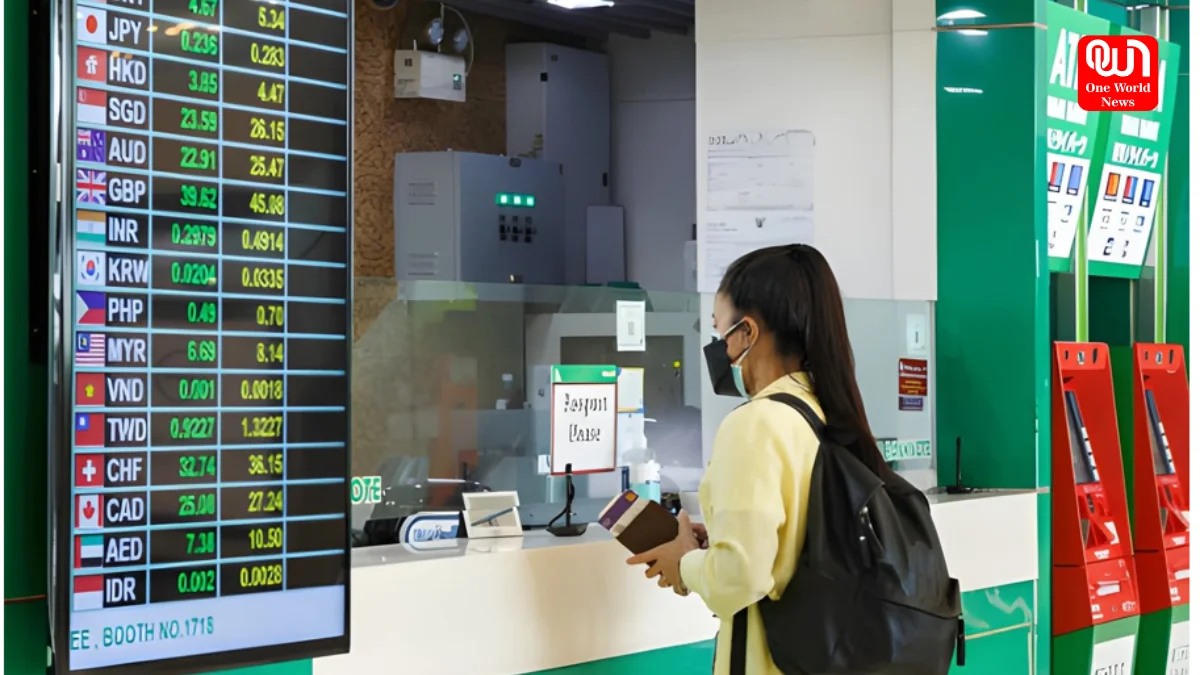
Travellers often return from international trips with unused foreign currency notes or a remaining balance on their forex cards. Keeping this money unused has no purpose because you are not using it, and it can affect its value over time as exchange rates move.
If the foreign currency weakens against the Indian rupee, you could receive less when you eventually convert it. Choosing to sell forex through authorised providers ensures transparent rates, proper documentation, and compliance with regulatory guidelines. Converting unused travel money back into INR is the best thing to do once your trip is complete.
What Counts as Leftover Forex After a Trip?
Leftover forex includes any foreign currency or prepaid travel card balance that stays after your travel expenses have been settled.
- Foreign currency notes that were not spent during the trip.
- Remaining balance on a prepaid forex card.
- Small-value notes accumulated during travel.
- Foreign coins, although many providers do not accept coins for exchange.
- Clean, usable banknotes that meet exchange requirements.
It is important to note that damaged, torn, or heavily defaced notes may be difficult to exchange. Hence, it is crucial to understand what qualifies as exchangeable forex to avoid issues during the conversion process.
Why Selling Forex at the Right Time Matters?
Currency values fluctuate constantly due to economic conditions, interest rate changes, and global market movements. The rate at which you buy foreign currency differs from the rate at which you sell it back. This difference (spread) affects the final amount you receive.
Waiting too long to sell forex without a clear reason may reduce the value of your holdings if the foreign currency depreciates against the rupee. This becomes more relevant when you have a significant amount of leftover currency. Checking current rates before initiating the transaction helps you understand the approximate INR value you can expect.
How to Sell Forex Without Getting Shortchanged?
Selling leftover forex is simple when you approach it with a strategy:
- Check the current exchange rate to estimate the value of your currency.
- Compare rates from authorised forex providers before deciding.
- Keep your documents ready, including your passport and PAN card.
- Confirm what you are selling, whether physical currency notes or a forex card balance.
- Ask about service charges and deductions that may affect the final amount.
- Complete the transaction through proper KYC procedures and authorised channels.
Read More: Mussoorie To Kasauli: Most Romantic Winter Getaways Near Delhi For Couples
Common Mistakes to Avoid When Selling Leftover Forex
Several common mistakes can reduce the value received from a forex transaction.
- Selling currency to unauthorised dealers.
- Ignoring the applicable sell rate.
- Failing to compare rates across providers.
- Overlooking service charges, deductions, or other hidden charges.
- Waiting too long without any future travel plans.
- Assuming foreign coins can be exchanged easily.
- Misplacing forex card details or purchase receipts.
Should You Sell Forex or Keep It for Future Travel?
Whether you should retain or convert your leftover forex depends largely on your travel plans.
- Sell forex if no international travel is planned in the coming year.
- Retain currency if you are likely to revisit the same country or currency zone soon.
- Encash any remaining forex card balance if the card will not be reused.
- Consider whether the currency is widely accepted and easy to exchange later.
For many travellers, converting unused forex after a trip offers greater flexibility, and these funds can be used to fulfil current financial needs.
Documents Required to Sell Forex in India
Most authorised providers need the following documents:
- Passport copy for identity and travel verification.
- PAN card for regulatory compliance.
- Travel details or proof of previous forex purchase, if requested.
- Forex card details when encashing a card balance.
- Bank account details for INR credit.
Keep these documents ready in case the provider needs it for authentication or other official purposes.
Conclusion
Unused foreign currency is often overlooked after a trip, yet it is the money that could be put to better use. Rather than keeping these notes or card balances to sit idle, review your future travel plans and evaluate current exchange rates before deciding your next step. If there is no immediate need to hold the currency, choosing to sell forex through an authorised provider is the best option so that you don’t lose the value of money over time.
We’re now on WhatsApp. Click to join.
Like this post?
Register at One World News to never miss out on videos, celeb interviews, and best reads.