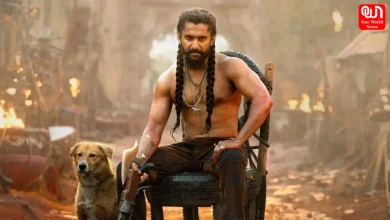
Operation Safed Sagar Real Story: Atal Bihari Vajpayee’s Delhi-Lahore Bus Trip, Musharraf’s Kargil Tapes And More
Operation Safed Sagar real story: Know how Vajpayee’s Lahore bus trip, Musharraf’s Kargil tapes and the 1999 Kargil War changed India-Pakistan ties.

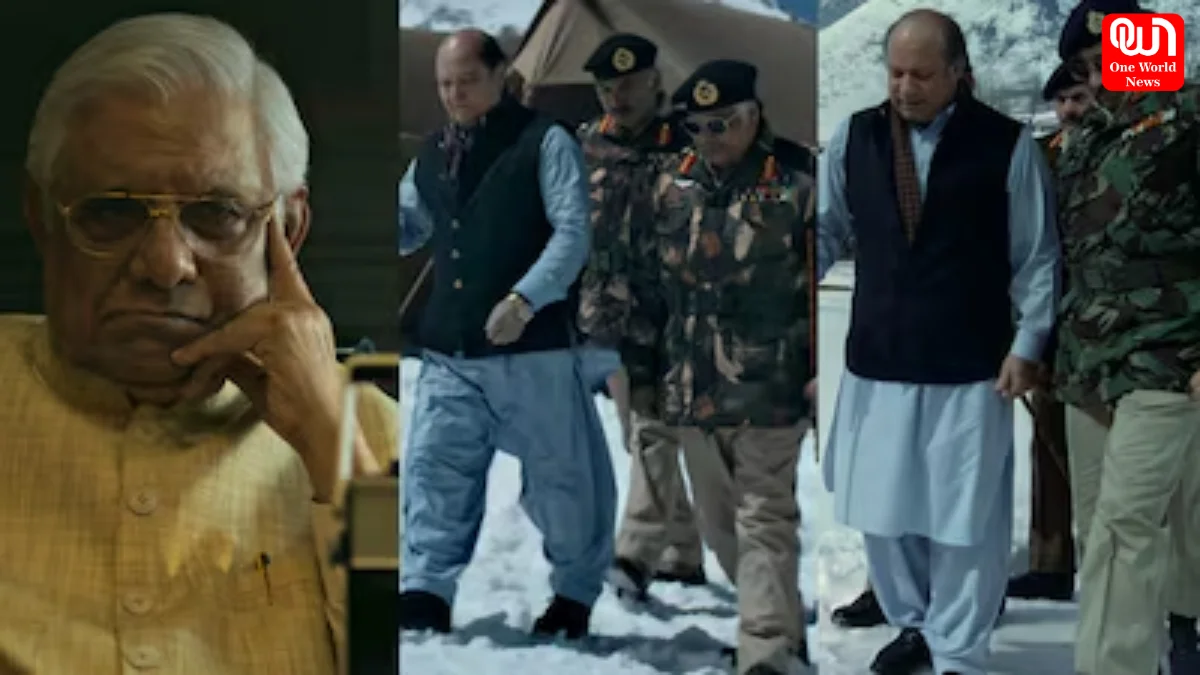
Operation Safed Sagar Real Story: Atal Bihari Vajpayee’s Delhi-Lahore Bus Trip, Pervez Musharraf’s Kargil Tapes, Nawaz Sharif and the Kargil War Explained
The Operation Safed Sagar real story is closely connected with one of the most dramatic chapters of modern Indian history—the 1999 Kargil War. Netflix’s Operation Safed Sagar, released on August 7, 2026, revisits the Indian Air Force’s role in the conflict, particularly the Golden Arrows squadron and its high-altitude combat missions. Netflix describes the series as being inspired by the real story of the Indian Air Force’s role during Kargil.
But the story goes beyond fighter jets and battlefield action. It also takes viewers back to the Delhi-Lahore bus journey involving Prime Minister Atal Bihari Vajpayee, Pakistan Prime Minister Nawaz Sharif, and the surprising events that followed the historic Lahore Declaration.
Atal Bihari Vajpayee’s Historic Delhi-Lahore Bus Trip
In February 1999, India and Pakistan appeared to be entering a period of improved relations. On February 20, Atal Bihari Vajpayee travelled to Lahore on the inaugural Delhi-Lahore bus service. Pakistan’s Prime Minister Nawaz Sharif received him at Wagah before the Indian delegation continued to Lahore.
The visit was more than a symbolic bus journey. Vajpayee and Sharif discussed bilateral relations, regional cooperation and security concerns. Their meeting culminated in the Lahore Declaration, signed on February 21, 1999, with commitments relating to peace, stability and nuclear risk reduction.
At the time, the visit represented a major diplomatic effort to reduce tensions between the two nuclear-armed neighbours.
From Lahore Peace Initiative to Kargil War
Only months later, the atmosphere changed dramatically. Pakistani forces and personnel had occupied strategic heights on the Indian side of the Line of Control in the Kargil region. India subsequently launched Operation Vijay, while the Indian Air Force’s aerial campaign was known as Operation Safed Sagar.
The conflict developed into a major mountain war across areas including Dras, Kargil and Batalik. The Indian Air Force was called upon to support ground forces in extremely difficult high-altitude conditions. Netflix’s account specifically highlights the Golden Arrows squadron and describes the air campaign as a defining chapter of the conflict.
The Kargil War real story is therefore often remembered as a sharp reversal of the optimism created by the Vajpayee-Sharif peace initiative.
Pervez Musharraf and the Kargil Tapes
One of the most important pieces of evidence that emerged during the conflict was a series of intercepted telephone conversations involving Pakistani military leadership.
According to General V.P. Malik’s account in Kargil: From Surprise to Victory, Indian intelligence intercepted conversations involving Pakistan Army Chief Pervez Musharraf and Lieutenant General Mohammad Aziz Khan. The conversations helped establish that the operation was not simply an activity carried out by Kashmiri militants, but involved the Pakistan Army.
Read more: Nikita Rawal Left Shocked As Female Fan Suddenly Kisses Her On Lips At Red Carpet | Video
India later released transcripts of conversations between Musharraf and Aziz on May 26 and May 29, 1999. Contemporary reporting said the conversations discussed the military operation and plans concerning the Line of Control.
These recordings became popularly known as the Kargil tapes and played an important role in India’s diplomatic presentation of the conflict.
What Was Nawaz Sharif’s Role?
The relationship between Nawaz Sharif and Pervez Musharraf remains one of the most debated aspects of the Kargil episode. Sharif later argued that Pakistan had violated the understanding reached with India during the Lahore process. In 2024, Sharif publicly referred to Pakistan’s violation of the agreement with Vajpayee while discussing the Kargil episode.
The question of how much Pakistan’s civilian leadership knew about the military planning has remained controversial. Different accounts from Musharraf, Sharif and Pakistani military officials have offered differing versions of events. Therefore, claims about exactly when every civilian leader became aware of the operation should be treated carefully rather than presented as an undisputed fact.
Operation Safed Sagar and the Indian Air Force
The importance of Operation Safed Sagar lies in the Indian Air Force’s contribution to the Kargil campaign. Aircraft had to operate in some of the world’s most challenging terrain, where altitude, weather and mountainous targets created extraordinary operational difficulties.
The Golden Arrows, officially No. 17 Squadron, became particularly associated with the campaign. The Netflix series dramatizes this chapter through characters inspired by real personnel, including Squadron Leader Ajay Ahuja. Netflix describes the series as an untold story of the Golden Arrows Squadron and its role in the Kargil War.
Read more: Mini Mathur: The Alliance Season 1 Winner, Career, Personal Life & ₹50 Lakh Prize Money
Why the Kargil Story Still Matters
The Kargil War changed India’s understanding of intelligence, surveillance, defence preparedness and civil-military coordination. After the conflict, the Government of India established the Kargil Review Committee to examine the events leading to the Pakistani intrusion and recommend measures to strengthen national security. The committee was chaired by K. Subrahmanyam.
The contrast between Vajpayee’s peaceful Delhi-Lahore bus journey in February 1999 and the intense fighting only a few months later remains one of the most striking elements of the Kargil War real story. Operation Safed Sagar Netflix brings the aerial side of that history to a new generation, while the Vajpayee-Sharif diplomacy, Musharraf’s role and the Kargil tapes provide the wider political and military context behind the conflict.
We’re now on WhatsApp. Click to join.
Like this post?
Register at One World News to never miss out on videos, celeb interviews, and best reads