
Rent IPv6 Addresses: About Prefixes, Subnets, and Allocation
Learn how to rent IPv6 addresses, understand prefixes and subnets, and navigate allocation. Explore practical ways with IPv4 Tradehub.

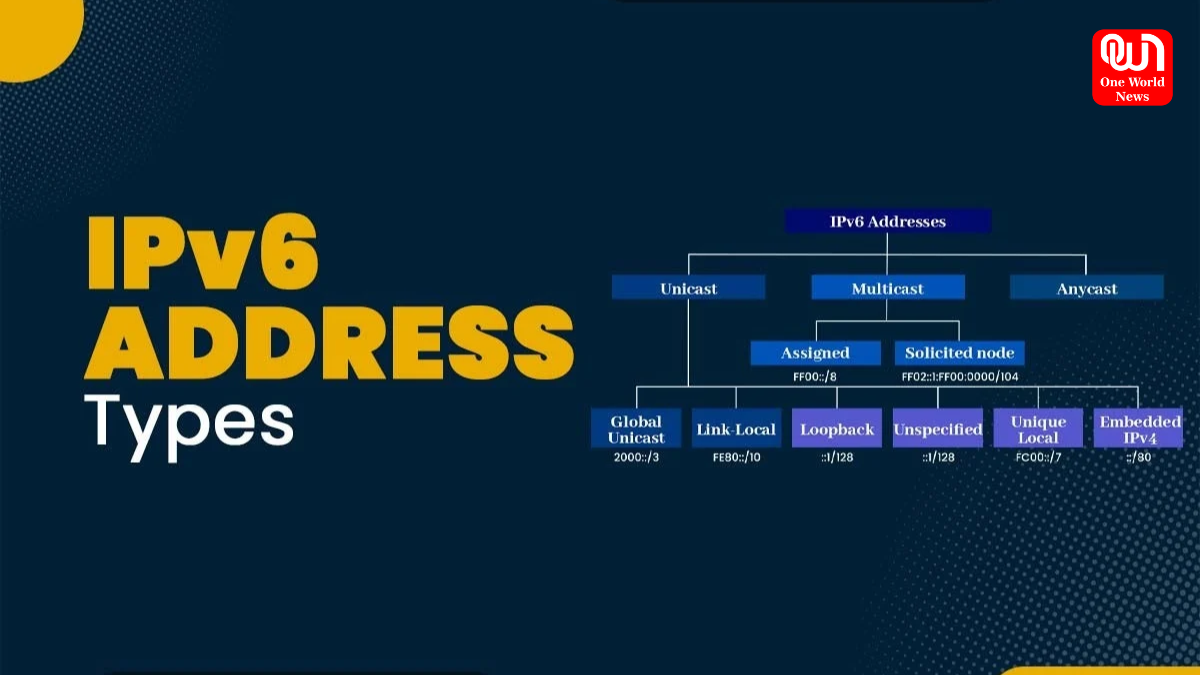
With the growing network size of organizations and the limited availability of IPv4 addresses, IPv6 addresses are gaining prominence. Leasing IPv6 addresses will enable companies to have scalable addressing without the need to acquire their own address space and administer it on a real-time basis. Since IPv6 applies an enormous address space, hierarchy-based allocation, it is important to learn about prefixes, subnets, and allocation when choosing an appropriate address space. This guide discusses how to rent IPv6 addresses, prefixes, subnetting, distribution of addresses, and how to select the right address space.
Understanding Prefixes to Rent IPv6 Addresses
An IPv6 prefix is a collection of addresses that are manageable more easily as a single group. Prefixes are frequently written with a slash when renting IPv6 addresses: /48, /56, or /64. The character that comes after the slash indicates the percentage that the address is depending upon the network portion. A smaller number typically signifies a bigger range of addresses.
Indicatively, there are many more addresses in a /48 prefix than a /64 prefix. Knowing prefixes is useful because you can select an allocation that suits your needs without wasting money on address space that you do not need. Prefix rental plays an important role on the network size, future expansion, and the number of subnets.
Insights About IPv6 Subnets Explained
IPv6 subnets helps to subdivide a larger address space into smaller network segments. It becomes easier to orchestrate devices, servers, applications, and other elements of an infrastructure. IPv6 has a configuration with a /64 subnet per individual network, so that there are many addresses in each subnet. Larger blocks like /48 helps to give several /64 blocks to use in various ways.
As an example, a company might have distinct subnets for employees, servers and guests, and cloud systems. In renting IPv6 addresses, knowledge of subnetting helps you to come up with an efficient plan of the network. It also simplifies making future expansion since further subnets can be added without modifying the overall allocation.
Read More: Samsung One UI 9 Rollout Begins: Galaxy S26 Gets Android 17, New Galaxy AI and Security Features
How IPv6 Address Allocation Works?
An Internet service provider, regional Internet registry, or other reliable organization assigns an address block that has an allocation as IPv6 addresses. The prefix can be further split into smaller subnets for various networks and services. Devices have the possibility to be assigned unique addresses within a typical IPv6 subnet, either via Stateless Address Autoconfiguration (SLAAC) or via DHCPv6.
Routers are available with prefixes that guide them on where to deliver the traffic. When leasing IPv6, the provider usually allocates you a particular prefix and routing information. You then map such a range on your network or servers. Correct distribution assists in keeping a structured addressing scheme, effective routing, and some space to extend the network in the future.
What IPv6 Prefix Should You Rent?
The correct IPv6 prefix will be based on the intended use of the addresses. A /64 is generally part of a single IPv6 subnet. Above all, a /48 gives a much larger area to create many subnets. Companies with multiple networks, servers, or locations might require a more substantial allocation. Smaller projects might need less address space, depending on the options offered by the provider and routing needs.
Before you rent IPv6, consider the number of networks that you have at the moment, the volume that you are likely to grow to, and technical configuration. Do not select on the basis of the sum of addresses. You should also ensure that the provider supports routing, reverse DNS, and other services, which you might require.
Things to Check Before Renting IPv6 Addresses
There are various essential things that you would want to confirm with the provider before you rent IPv6 addresses. First, focus on the correct prefix size and the number of usable addresses or subnets it offers. Inquire about the routing of the addresses to your network and whether you have control over routing or configuration.
It is important to examine a reputation of the address, and the range must not be part of with spam activity. Another thing is the cost of the rental, the period of the contract, the renewal terms, and the transfer policy as well. Determine whether reverse DNS exists or not in case it is necessary by applications. And lastly, make sure that the provider is providing technical support and documentation for the implementation of IPv6 range.
FAQs: Commonly Asked Questions
- Is a /48 IPv6 prefix large?
Yes, a /48 is also a big address block and can be subdivided into 65,536 separate /64 IPv6 subnets.
- Is it possible to divide IPv6 prefixes into subnets?
Yes, IPv6 prefixes may be subnetted to smaller network prefixes, usually a /64 prefix to represent an individual network.
- What are the key reasons for renting IPv6 addresses in a business?
Small businesses can rent IPv6 addresses to support scalable infrastructure, cloud, hosting, network, and other applications that are internet-bound in nature.
- Who assigns IPv6 address space?
Regional Internet Registries distribute IPv6 resources in their regions based on their policies and criteria.
Ready to Build a Scalable IPv6 Network? Get in Touch
Whether you need IPv6 space for hosting, cloud infrastructure, servers, or expanding network operations, choosing the right prefix and allocation structure matters. Explore your IPv6 requirements with IPv4 Tradehub and take the next step toward reliable, scalable IP address resources. Review your options, understand the allocation terms, and choose an IPv6 solution aligned with your infrastructure goals.
We’re now on WhatsApp. Click to join.
Like this post?
Register at One World News to never miss out on videos, celeb interviews, and best reads.