
How Often Should You Bathe Your Dog? The Viral Question Every Pet Parent Is Asking
The Internet Is Confused, Pet Parents Are Panicking — Here’s the Truth Your Dog Can’t Tell You


In recent weeks, a simple yet explosive question has gone viral across social media, pet forums, and WhatsApp groups:
How often should you bathe your dog?
Surprisingly, the answer isn’t as straightforward as many pet parents believe — and getting it wrong could quietly harm your dog’s skin, coat, and emotional wellbeing.
Let’s finally clear the confusion, bust the myths, and give your furry companion the care they truly deserve. 🐾
Why This Question Is More Important Than You Think
Bathing your dog isn’t just about smell or appearance.
It’s about health, comfort, trust, and love.
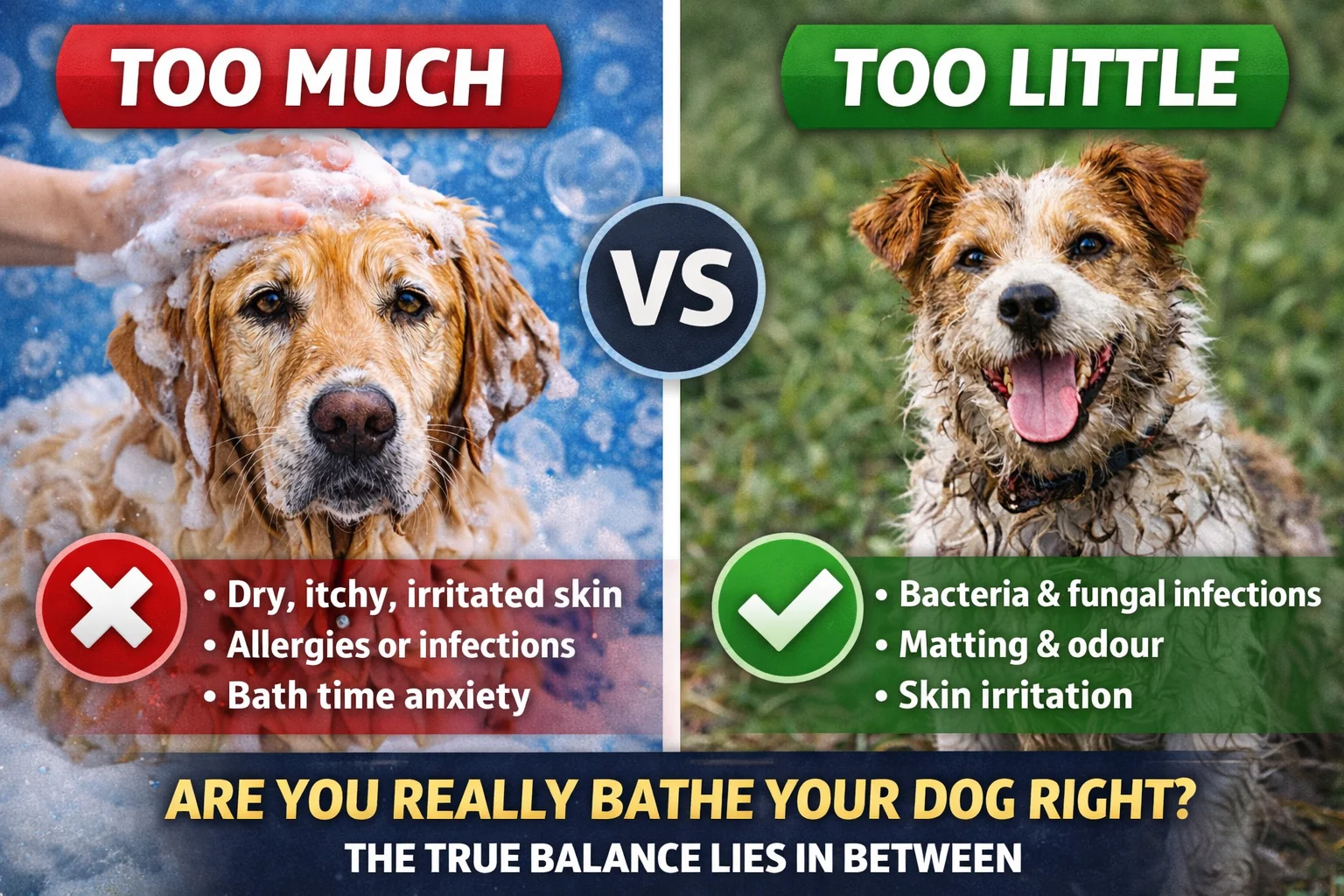
Over-bathing can:
Strip natural oils
Cause dry, itchy skin
Trigger allergies and infections
Increase anxiety and fear during bath time
Under-bathing can:
Lead to bacterial and fungal infections
Cause matting, bad odour, and skin irritation
Affect your dog’s overall hygiene and happiness
The key lies in balance, not routine.
So… How Often Should You Bathe Your Dog?
The Golden Rule Vets Agree On
👉 Most dogs only need a bath once every 3–4 weeks.
Yes, you read that right.
However, the real answer depends on several emotional and physical factors — just like humans.
Factors That Decide Your Dog’s Bathing Schedule
1. Breed & Coat Type
Short-haired dogs (Beagles, Labradors): Every 4–6 weeks
Long-haired dogs (Shih Tzu, Golden Retriever): Every 3–4 weeks
Double-coated breeds (Huskies, German Shepherds): Less frequent bathing; brushing is more important
2. Lifestyle & Environment
Loves mud, rain, and outdoor adventures?
Lives in a dusty city or humid climate?
These dogs may need slightly more frequent baths, but never weekly unless advised by a vet.
3. Skin Sensitivity & Health
Dogs with:
Allergies
Dry skin
Skin infections
Should be bathed only with medicated shampoos and as prescribed by a veterinarian.
The Biggest Myth: “My Dog Smells, So He Needs a Bath”
That smell might not mean dirt — it could signal:
Skin imbalance
Poor diet
Ear infection
Underlying health issues
Bathing more often won’t fix the problem — it can make it worse.
Signs You’re Bathing Your Dog Too Often
Watch out for these silent red flags:
Excessive scratching
Dandruff or flaky skin
Dull, rough coat
Anxiety or fear during bath time
Your dog may not speak, but their skin always tells the truth.
Read More: Cats vs Dogs: Which Pet Is Actually Easier for Indian Homes?
What You Can Do Instead of Frequent Baths
- Brush regularly (this removes dirt and distributes natural oils)
- Use dog wipes for quick clean-ups
- Clean paws after walks
- Feed a healthy, balanced diet for natural coat shine
Sometimes, less water = more love.
The Emotional Truth Every Pet Parent Must Hear
Your dog doesn’t need to smell like shampoo to be loved.
They need comfort.
They need trust.
They need care — not overcare.
Bath time should feel safe, gentle, and rare enough to remain stress-free.
Because at the end of the day, a happy dog is not the cleanest one — it’s the healthiest one.
Final Verdict: The Viral Answer, Finally Settled
- Once every 3–4 weeks is perfect for most dogs
- Adjust based on breed, lifestyle, and skin condition
- Never over-bathe just for aesthetics
When in doubt, always ask a veterinarian — not social media trends.
We’re now on WhatsApp. Click to join.
Like this post?
Register at One World News to never miss out on videos, celeb interviews, and best reads.